
Planting
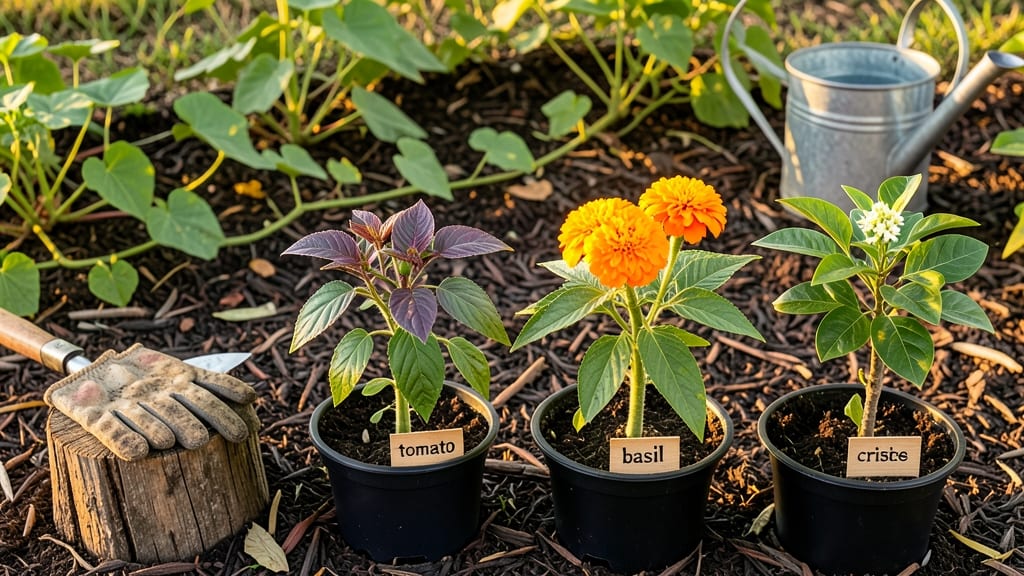
Figuring out when to plant garden in Florida isn't as simple as just grabbing a shovel—because Florida's climate zones are as diverse as they are sunny.
What works perfectly in the frost-free South might fry in North Florida's cooler winters, and planting at the wrong time can mean wasted effort or sad, wilted plants before they even get a chance to thrive.
I've spent years growing gardens across Florida's 11 distinct climate zones, and the key to success isn't just knowing the calendar—it's understanding how heat, humidity, and microclimates play together.
Whether you're in the Panhandle's cooler stretches or Miami's tropical heat, timing your plantings right means the difference between a bumper crop and a brown thumb moment.
Let me show you exactly which months work best for your specific zone, from cool-season greens that love winter's mild chill to heat-loving tomatoes that need summer's intensity.
We'll cover the critical transition periods where many gardeners go wrong—and how to avoid those common mistakes that cost everyone time and money.
Ready to turn your Florida garden from a maybe into a must-have? Let's dive into the zone-specific strategies that'll have your plants thriving all year round, no matter where you are in the Sunshine State.
Florida planting calendar by climate zone: month-by-month heat tolerance guide
Florida’s 11 climate zones create dramatic differences in planting schedules—from North Florida’s brief winter window to South Florida’s year-round growing. The key? Timing crops to avoid 90°F+ heat or light frosts (yes, they happen in the Panhandle!).
Below, I’ll break down the ideal planting months for each zone, including heat-sensitive crops and transition periods.
For example, Zone 7 (Central Florida) can plant cool-season crops like broccoli in October-November, but must shift to heat-tolerant tomatoes by March-April. Meanwhile, Zone 10 (South Florida) enjoys year-round planting with minimal frost risk—but even here, summer’s intense humidity demands shade cloth for delicate greens.
🌱 Pro Tip: Use your last frost date (typically mid-February to early March in North Florida) as your guide for cool-season crops. South Florida gardeners? Skip frost dates entirely and focus on rainy season timing (May-October) for maximum growth.
| Zone | Cool-Season Planting | Warm-Season Planting | Heat Tolerance Threshold (°F) | Key Crops |
|---|---|---|---|---|
| 7 (North FL) | Oct–Nov | Mar–Apr | 85°F (shade needed) | Kale, Peppers, Okra |
| 8 (Central FL) | Sep–Oct | Feb–Mar | 90°F (mulch required) | Tomatoes, Sweet Potatoes, Basil |
| 10 (South FL) | Year-round | Year-round | 95°F (drip irrigation) | Eggplant, Okra, Peppers |
| 11 (Miami) | Sep–Nov (shade) | Jan–Feb | 100°F (drought stress) | Cucumbers, Malabar Spinach, Ginger |
🌡️ Note: Adjust for microclimates—coastal areas stay cooler longer than inland zones.
Transition periods (like March-April) are critical for warm-season crops like tomatoes and peppers. Plant too early, and they’ll bolt in the heat; too late, and they won’t mature before summer’s 100°F+ temperatures. My trick? Start heat-tolerant varieties (like ‘Celebrity’ tomatoes) 2–3 weeks earlier than the chart suggests.
For North Florida (Zones 7–8), focus on staggered planting to extend harvests. For example, sow lettuce every 2 weeks from September to November—this ensures a steady supply before summer’s heat sets in.
In South Florida (Zones 10–11), prioritize shade-loving greens like Malabar spinach during peak summer to avoid bolting.
💧 Watering Hack: In Zones 9–11, switch to drip irrigation by May to prevent fungal diseases from high humidity. North Florida? Morning watering is non-negotiable—it reduces evaporation and leaf scorch.
Let’s talk soil prep. Florida’s sandy soils drain too quickly for most crops, so amend with compost 4–6 weeks before planting. For Zones 7–8, add organic mulch in late winter to warm the soil faster for spring planting.
In Zones 10–11, focus on moisture retention—use coconut coir instead of peat moss to avoid compacting the soil.
🌿 Native Plants Bonus: Florida’s
Best crops for Florida’s summer vs. winter planting: heat-resistant vs. frost-tolerant varieties
Florida’s two distinct planting seasons—summer and winter—dictate which crops thrive when. Summer brings scorching heat (often over 90°F), while winter offers cooler temps (down to 40°F in North Florida). Choosing the right varieties for each season ensures a bountiful harvest without wilting or frost damage.
For summer planting, prioritize heat-loving crops like okra, sweet potatoes, and malabar spinach. These plants not only tolerate but thrive in Florida’s humidity and intense sunlight.
Meanwhile, winter planting favors frost-resistant greens like kale, collards, and carrots, which can handle cooler temperatures and even light frosts in North Florida.
Here’s how to match your crops to Florida’s two primary seasons—plus regional exceptions for North vs. South Florida.
| Season | Top Crops | Heat/Frost Tolerance | Planting Window |
|---|---|---|---|
| Summer | Okra, Peppers, Eggplant, Sweet Potatoes, Malabar Spinach | Heat-tolerant (85°F+) | March–June (North FL) / Year-round (South FL) |
| Winter | Kale, Broccoli, Carrots, Beets, Lettuce, Radishes | Frost-resistant (32–50°F) | August–October (North FL) / September–November (South FL) |
| Year-Round (South FL) | Tomatoes, Basil, Cucumbers, Green Beans | Heat-tolerant with shade | Staggered plantings every 2–3 weeks |
In North Florida (Zones 8–9), winter planting is critical because frost can strike as early as November. Start cool-season crops like broccoli and cabbage in late summer to ensure they mature before cold snaps.
Meanwhile, South Florida (Zones 10–11) enjoys year-round growing, but even here, summer heat can stress plants like tomatoes—so use shade cloth or opt for heat-resistant varieties.
For herbs and flowers, basil and marigolds excel in summer, while pansies and snapdragons thrive in winter. Always check seed packets for days to maturity to avoid planting too late in the season.
For example, tomatoes need 70–90 days to fruit, so plant them by April in North FL or year-round in South FL.
Pro tip: Use mulch to regulate soil temperature—straw or pine needles keep roots cool in summer and warm in winter. This simple trick extends planting windows and boosts yields for heat-sensitive crops like lettuce or frost-prone plants like strawberries.