
Plants
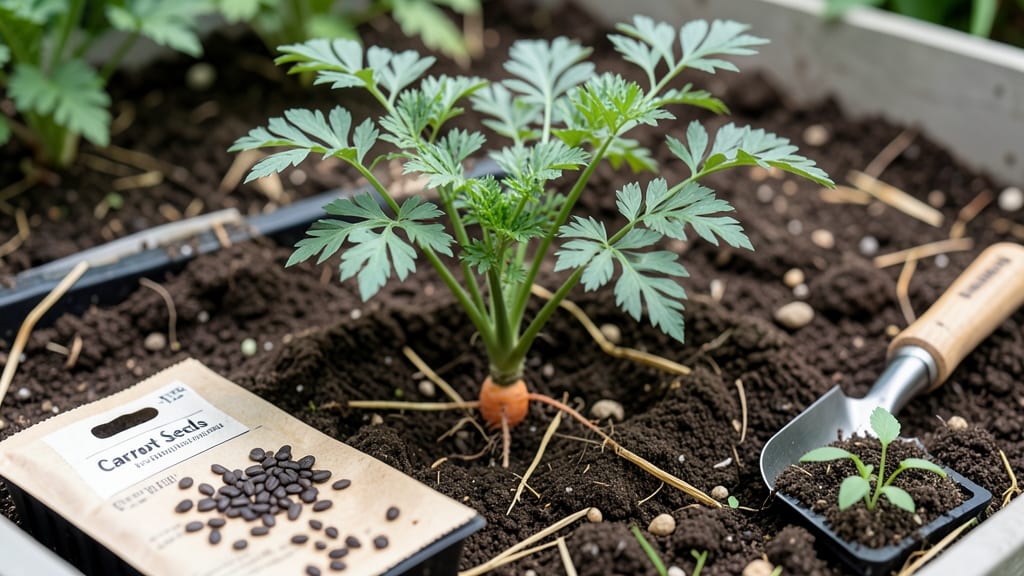
When can you plant carrots in Zone 6? The answer isn't just about the calendar—it's about beating frost, timing soil warmth, and avoiding summer bolting. In Zone 6 (General), your window is narrow but packed with opportunity: early spring (March–April) and late summer (July–August) are your golden months for crisp 🥕 harvests.
Plant too early, and frost will turn your seeds to mush. Too late, and your roots might bolt in the heat. But here's the secret: succession planting lets you stretch your harvest from June through November—no more empty garden beds!
I'll walk you through the exact frost-free timeline, soil temperature tricks, and variety picks that thrive in Zone 6's climate. Whether you're a first-time gardener or a seasoned pro, these tips will help you grow sweet, straight carrots without the guesswork.
Ready to dig in? Let's break down the best months, spacing secrets, and how to protect your crop from frost and heat—so you can enjoy homegrown carrots all season long.
Zone 6 carrot planting calendar: month-by-month frost-free timeline for success
Timing your carrot planting in Zone 6 is all about avoiding frost while maximizing your growing season. The key is planting when soil temperatures reach 45°F (7°C)—the magic threshold for germination.
In my experience, this typically lands between mid-March and late April for spring plantings, with a second window in July-August for fall harvests.
Zone 6 gardeners face a 165-day frost-free window, so planning is everything. Miss the early window, and you risk bolting (premature flowering) from summer heat. Plant too late, and your carrots won’t mature before the first frost in mid-October.
Let’s break down the exact months and what to watch for each step of the way.
🥕 Zone 6 Carrot Planting Timeline
| Month | Planting Window | Soil Temp (°F) | Frost Risk | Succession Planting |
|---|---|---|---|---|
| March | Mid-March | 45-50°F | Moderate (late frosts possible) | Plant every 2 weeks |
| April | Early-Mid April | 50-55°F | Low (after April 15) | Plant every 3 weeks |
| May | Not ideal (heat risk) | 60°F+ | None | Avoid planting |
| July | Early July | 55-65°F | None | Plant every 3 weeks |
| August | Mid-August | 60-65°F | Low (early frost risk) | Plant every 2 weeks |
🌱 Pro Tip: Use row covers for March-April plantings to protect from late frosts.
For spring plantings, I recommend starting in mid-March when soil temperatures hit 45°F (7°C). This gives you a 70-80 day window to harvest before summer heat sets in.
Use heat-tolerant varieties like ‘Danvers’ or ‘Nantes’ if you must plant in May, but expect smaller roots due to bolting risks.
My fall planting strategy begins in early July for a late-season harvest. This timing ensures carrots mature before the first frost in mid-October. For continuous harvests, I plant every 2-3 weeks through August. Shorter-day varieties like ‘Purple Haze’ perform best in these later plantings.
Don’t forget about soil preparation—carrots need loose, stone-free soil to grow straight. I always work in 2-3 inches of compost before planting and keep the soil consistently moist to prevent forking. A mulch layer helps maintain even moisture and suppress weeds.
If you’re new to carrots, remember: thinning is crucial. Sow seeds 1/4 inch deep and thin seedlings to 2-3 inches apart when they’re 2 inches tall. This prevents overcrowding and gives roots room to grow.
For gardeners in Zone 6a (colder microclimates), push spring plantings to late March and fall plantings to early July to avoid frost risks. In Zone 6b, you can start slightly earlier in early March and extend fall plantings to mid-August.
One common mistake I see is planting too densely. Overcrowded carrots compete for nutrients and light, leading to forked or stunted roots. Always follow the 2-3 inch spacing guideline, even if it means fewer plants initially—they’ll reward you with sweeter, straighter roots.
Finally, keep an eye on bolt-resistant varieties if your Zone 6 summers get hot. Varieties like ‘Paris Market’ or ‘Little Finger’ handle heat better than traditional types, giving you a better chance at a successful harvest even in warmer microclimates.
With this month-by-month guide, you’ll never miss the perfect planting window again. Happy growing—your crisp, homegrown carrots are just a few weeks away! 🥕
How to extend your carrot growing season in Zone 6 without risking frost damage
Zone 6 gardeners face a tricky balance: late frosts can kill tender carrot seedlings, while summer heat can cause bolting. The key is extending your growing season strategically. Start by planting cold-hardy varieties like ‘Danvers’ 4-6 weeks before your last frost date (around March 15 in most of Zone 6).
These varieties tolerate 35°F soil temps without issues.
For a second harvest in fall, aim for July 15-August 15 plantings. Use heat-tolerant varieties like ‘Nantes’ or ‘Rainbow’ that handle 75°F+ temps better. These will mature before first frost (typically October 15), giving you crisp roots in October-November.
⚠️ Frost Protection Warning
Never plant carrots when soil temps are below 40°F—seeds won’t germinate. Use row covers or cold frames to warm soil by 10°F if early planting is necessary. Remove covers when temps rise above 70°F to prevent overheating.
To push early harvests, try soil insulation. Cover garden beds with black plastic mulch 2 weeks before planting to raise soil temps by 5-10°F.
For late-season protection, use floating row covers to shield seedlings from 28°F+ frosts. These lightweight fabrics allow sunlight while trapping heat—perfect for September-October plantings.
Companion planting also helps. Pair carrots with onions or leeks to deter carrot flies, or plant near rosemary or sage to improve flavor and growth. Avoid planting near dill or fennel, which can stunt carrot development. Space companions 12 inches away to prevent competition for nutrients.
For container growing, choose deep pots (at least 12 inches deep) and use well-draining potting mix. Move containers to sheltered spots during late frosts or use heat-resistant fabric to protect from afternoon sun. Water containers daily in summer to prevent bolting.
Finally, monitor moisture levels closely. Dry soil causes forked roots, while soggy soil leads to rot. Aim for 1 inch of water weekly, delivered in the morning to reduce fungal risks. Mulch with straw or shredded leaves to retain moisture and regulate soil temps.