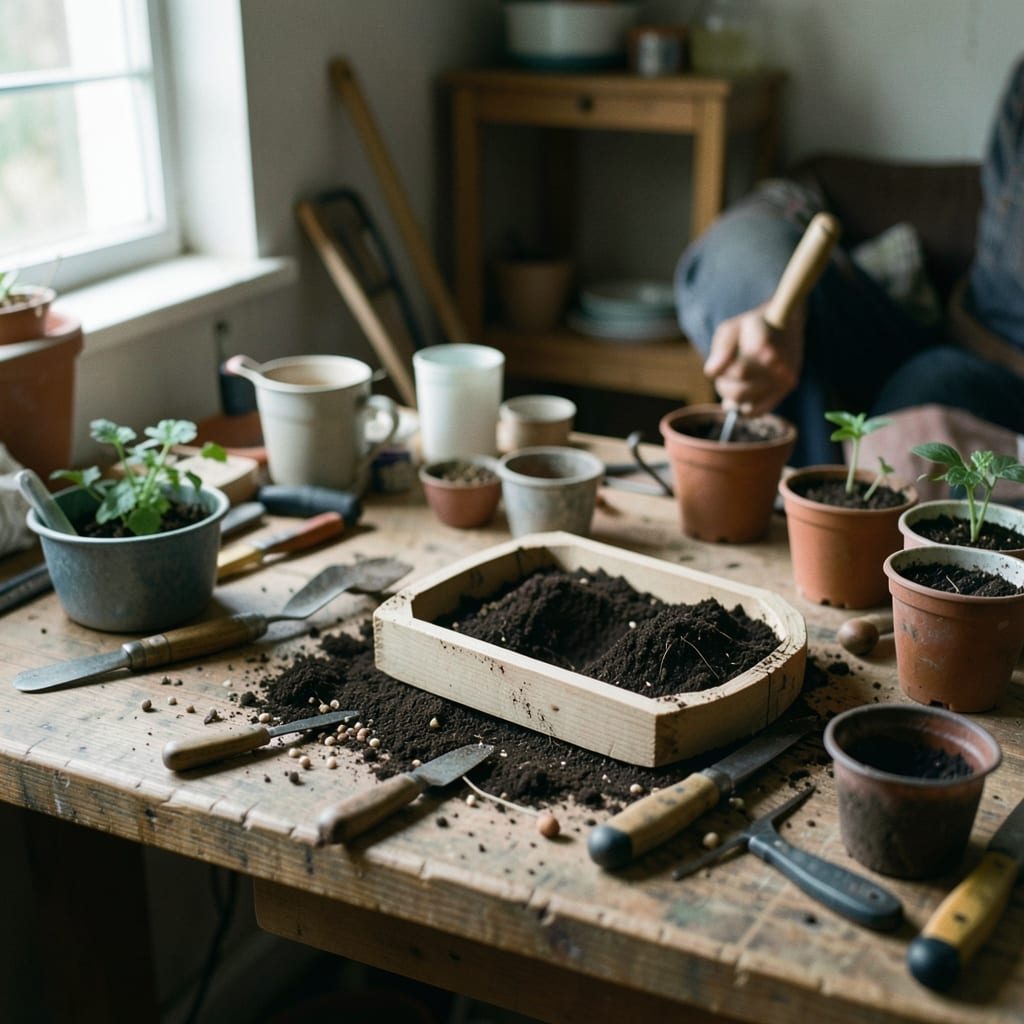
Why I started Plant Guides
I was thirty-two, kneeling in the mud of my backyard in Portland, when I realized I’d been doing it all wrong.
My tomatoes had bolted before they fruited, my basil had wilted into a sad pile of stems, and my dad—who’d taught me the basics—just shook his head and said, *‘You’re treating them like houseplants.’* That’s when I knew I needed a better way to share what I’d learned: not just what to plant, but *how* to plant it, when to let go, and why some years, no matter how hard you try, the soil just won’t cooperate.
This site is for the rest of us—the people who want to grow things but don’t have a green thumb, a degree in horticulture, or even a backyard bigger than a windowsill. No jargon, no ‘best practices’ that assume you’re already an expert.
Just the stuff that actually works, tested in real soil, under real weather, with real mistakes along the way. If you’ve ever stared at a seed packet wondering if you’re doing it wrong, or if your garden looks more like a science experiment gone sideways, this is for you.
Meet the founder
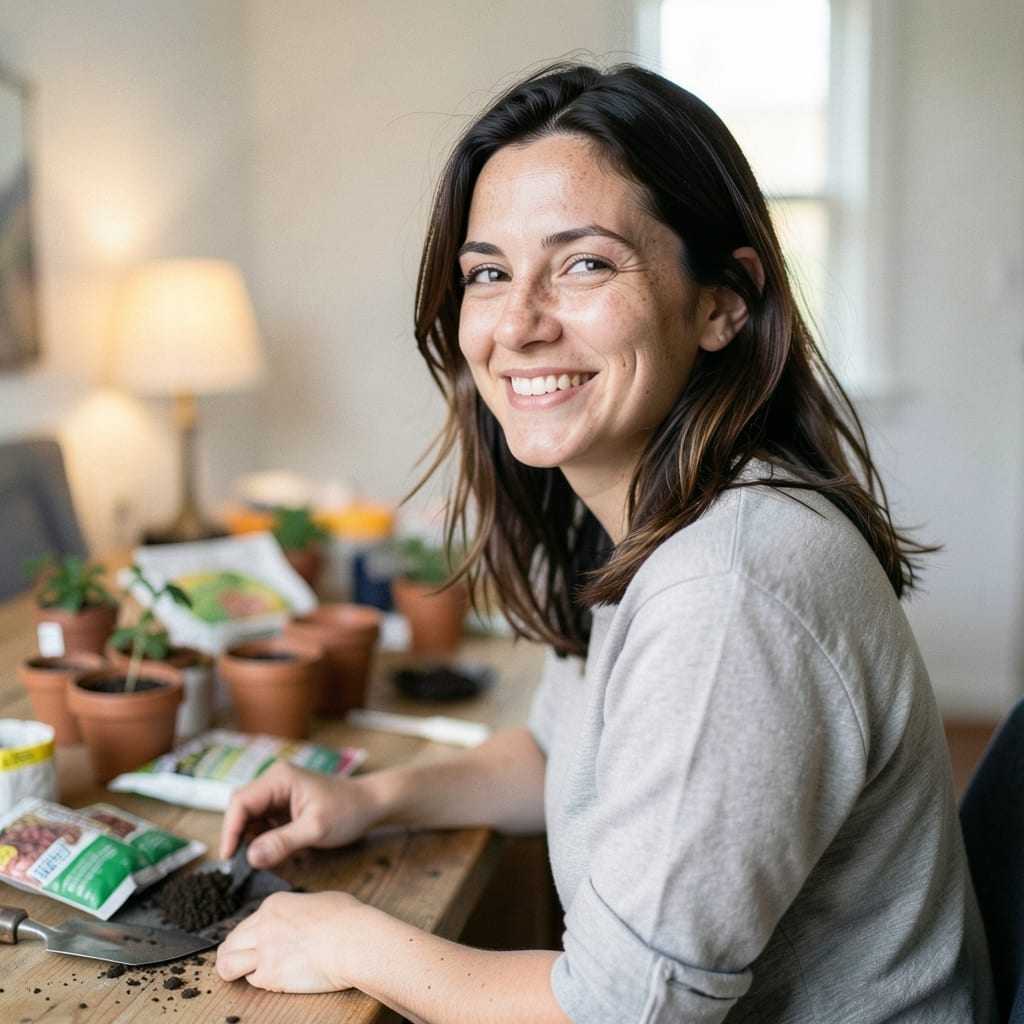
My mom’s garden was my first classroom. She’d press a seedling into the dirt with the flat of her hand and say, *‘Now we wait,’* like it was the most exciting thing in the world.
I was eight when I stole her marigold seeds and planted them in a coffee can on my windowsill. They sprouted into these lopsided, leggy things that looked nothing like the perfect rows in her garden.
She didn’t scold me—she just showed me how to pinch them back and give them more light. That’s the lesson I still use: plants don’t follow rules, but they *do* follow logic if you’re willing to watch them.
I still have the trowel I used that year—a cheap plastic one with a chipped handle, bought at a garden center in 2005. It’s the only tool I’ve never replaced.
The blade is bent from digging up too many stubborn weeds, and the grip is worn smooth from years of gripping it too tight when I was frustrated.
I keep it on the hook by my back door because it’s the one thing that’s outlived every pot, every seed packet, and every ‘foolproof’ gardening tip I’ve ever ignored.
The year I killed my first batch of seedlings was the year I learned to compost. I’d followed the instructions to a T—moistened the soil, kept them in the light, even watered them at the same time every day. But they still turned to mush overnight.
Turns out, the ‘light’ I’d chosen was a south-facing window that baked them into crispy husks by noon.
Now, I test every setup for a full week before I commit to planting, and I keep a spare tray of seeds ‘just in case.’ Failure isn’t the opposite of success here; it’s the first step toward knowing what works.
I have a habit of talking to my plants. Not the dramatic, *‘Grow, my darling,’* kind of thing—more like a running commentary on their progress. *‘Okay, you’re getting too tall for this pot,’* or *‘Why are you wilting?
Did I overwater you again?’* My neighbors think I’m nuts, but it’s the only way I remember what I’ve done wrong. And if you’ve ever stared at a sad-looking basil plant wondering if you’re the problem, you’ll understand why I do it.
Meet the mascot

The first sketch of what would become our mascot started on a napkin at a coffee shop in Beaverton, where I was waiting for my dad to finish his root-grafting class.
I’d drawn a seedling—just a stem with a couple of leaves—but the roots looked like tangled spaghetti, and the whole thing was lopsided. My dad took one look at it and said, *‘That’s not how roots grow.
They’re supposed to branch out, not just dangle.’* So I redrew it, this time with roots that fanned out like fingers digging into the soil.
The next version was on my kitchen table, where I’d pinned up a sheet of paper and tried to make it look less like a stick figure and more like a plant with personality.
I gave it a wider base, so it didn’t look like it was about to tip over, and added a tiny smile where the leaves met the stem. The problem was, it still looked too static—like a diagram from a textbook.
So I added a single, exaggerated root curling upward, as if it were reaching for something. That’s when it started to feel alive.
The final version had to fit in the corner of a browser tab, so I stripped everything but the essentials: the stem, three leaves, and that one stubborn root. The smile became a slight upturn at the tip of the stem, like it was winking.
I named it *Sprout*—not because it’s perfect, but because it’s always growing, always a little off-kilter. It’s the kind of plant you’d overwater, then forget about for a week, then suddenly see pushing through the cracks in your sidewalk. That’s the spirit of this site.
What I promise you
This site is built on one simple idea: if I can’t explain it in plain English, I don’t understand it myself.
So everything here is written for the person who’s Googling *‘why is my zucchini flowering but not fruiting’* at 2 AM, or the one who’s staring at a seed packet wondering if they’re supposed to plant it now or wait for a full moon.
What you can hold me to
- Every plant profile includes a ‘red flag’ section—what normal wilting looks like vs. what means your plant is actually dying.
- The ‘zone notes’ aren’t just a copy-paste from a USDA map. They tell you how to adjust if you’re gardening in a microclimate (like a city with heat islands or a rural area with cold snaps).
- If a method fails in my garden, we tell you how we fixed it—and what we’d do differently if we had to do it all over again.
- No ‘plant in full sun’ without defining what that means for your specific location (and trust me, a south-facing window is *not* full sun).
How I create a plant profile
A profile starts in the dirt—literally. I plant at least two of every variety I write about, one in ideal conditions and one in what I consider ‘real-world’ chaos (like a shady corner of my yard where the soil is mostly clay).
Some plants thrive in both; others reveal their true selves only when pushed to the limit. The notes I take during the growing season—what I did right, what I did wrong, and what the plant *actually* looked like at every stage—are the raw material for the guide.
If it doesn’t include a photo of a real, flawed plant (not a stock image), I haven’t done my job.
The first stage: watching, not doing
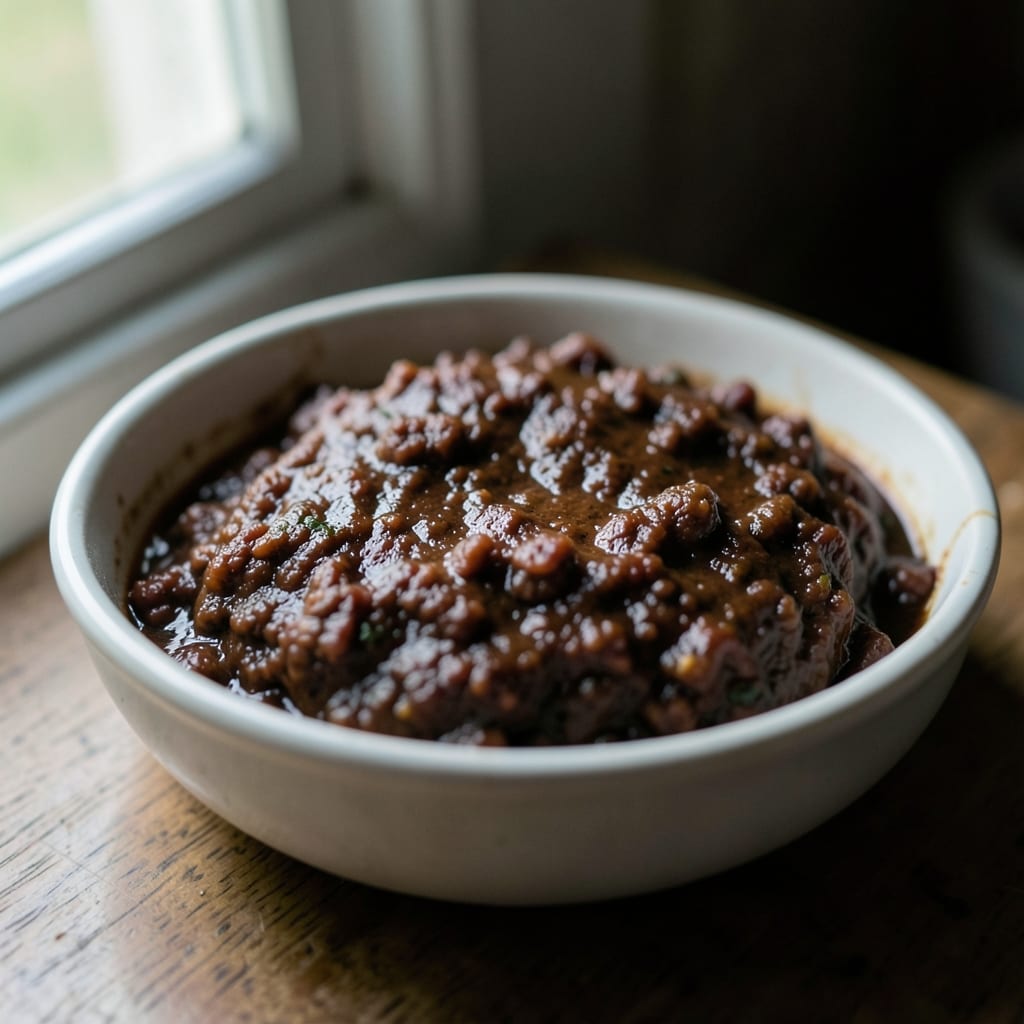
The first two weeks of a plant’s life are spent doing nothing but observing.
I water the same amount every day at the same time—no guesswork, no ‘when the soil feels dry.’ I keep them in a spot where the light is consistent (not my ‘sunniest’ windowsill, which turns into an oven by noon) and watch for the first true leaves.
If they yellow or droop, I don’t panic—I just adjust the watering schedule by an hour. The key is noticing the *pattern* of failure: Are they wilting in the morning? That’s usually overwatering. At night? Underwatering. And if they’re just sitting there looking sad? That’s usually too much light.
This stage ends when the plant starts to outgrow its container. That’s when I transplant it into something bigger—and that’s when the real work begins. But if you skip the watching, you’ll miss the clues that tell you what’s actually wrong. Plants don’t follow instructions; they follow *you*.
And if you’re not paying attention, they’ll tell you exactly what they need—you just have to learn their language.
The second stage: fixing the mistakes
Once a plant is in the ground, the fixing starts with soil. If the leaves are curling inward, it’s usually too dry; if they’re yellowing at the bottom, it’s too wet. I don’t use fancy amendments unless I’ve tested the pH and confirmed the problem.
Most of the time, it’s just a matter of adjusting the water, adding a layer of mulch, or giving it more (or less) shade. The worst offenders—like my tomato plants, which always need staking no matter what I do—get a support system early, before they start leaning like drunks.
The final test is the ‘stress check.’ I gently tug on the stem to see if the roots have taken hold. If it pulls out easily, I know I need to wait another week. If it resists, I know it’s ready to grow. And if it snaps?
Well, that’s when I go back to the drawing board—and usually ends up with a new method for next time.
How a page gets onto this site
Every guide starts as a series of scribbled notes in a composition book I keep by my gardening chair. I jot down what worked, what didn’t, and what I’d do differently next year—no pretty handwriting, just the facts.
Then I type it up, but only after letting it sit for at least a week. That’s when I realize I’ve left out the part about how to tell if your basil is actually thriving or just pretending to be fine.
The rewrites happen in the off-season, when I’m planning next year’s garden and realize I need to document the lessons from this year’s disasters.
A page gets rewritten months later if a reader points out a mistake—or, more often, if I realize I’ve missed a critical detail. Like the time someone emailed to say my ‘full sun’ instructions didn’t work for them because their ‘south-facing’ yard was actually a north-facing one.
That’s when I added a whole section on how to judge sun exposure without a compass. The best guides aren’t the ones that never change; they’re the ones that get better because the readers help me fix them.
Write to me
I love hearing about the plants that surprise you—the ones that grew when you didn’t expect them to, or the ones that refused to die no matter how hard you ignored them.
Send me photos of your garden’s successes (and failures)—the weird, the wonderful, and the *‘what even is this?’* moments. And if you’ve got a tip that saved your garden this year, I’d love to hear it. The contact page is where you’ll find me.
Thanks for growing with me—literally and figuratively. It’s the best kind of work: messy, unpredictable, and full of things that don’t go as planned. But that’s the point, isn’t it?
Nina
The guides are grouped by category: Advice, Aphids, Blooming, Companion Plants, Container Gardens and Diseases.