
Plants
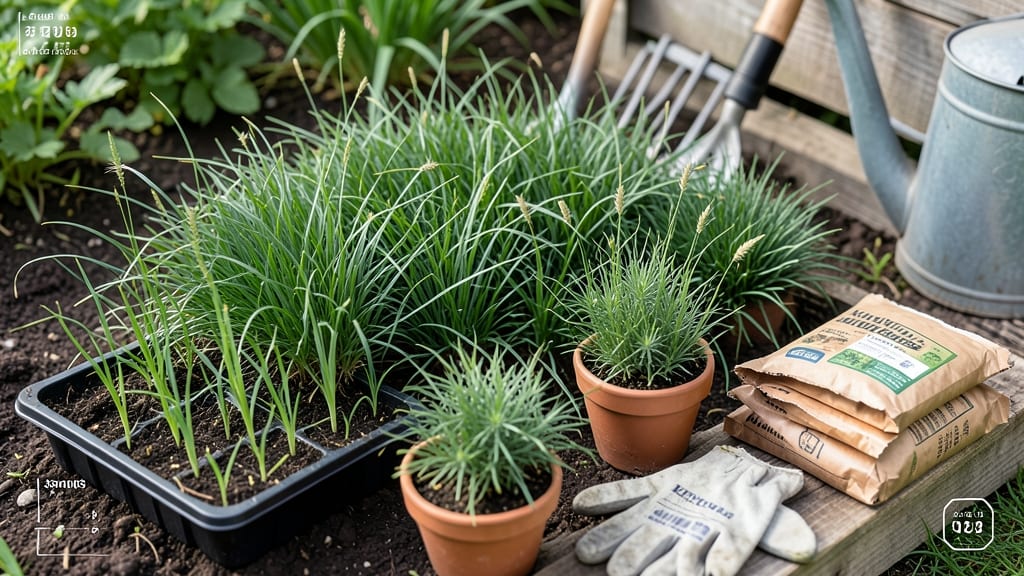
Timing your grass planting in Kansas isn't just about picking a month—it's about beating the heat, avoiding frost, and giving your lawn the fastest, thickest start possible.
With USDA Zones 6b-7a bringing unpredictable swings from 30°F winters to 100°F summers, planting too early risks frost damage, while waiting too long invites summer drought stress.
Most Kansas gardeners swear by early spring (March-April) or early fall (August-September) as the best windows, but even these months aren't one-size-fits-all.
Eastern Kansas's wetter climate demands different prep than the drier western regions, and soil temperature—50-60°F—is the real deadline, not just the calendar.
I’ve helped Kansas lawns go from patchy to lush by mastering these timelines, and I’ll show you exactly how to read your local microclimate, test soil, and choose the right grass seed blend for thick, fast establishment. Skip the guesswork—let’s get your lawn on the right track.
Whether you're seeding a new yard or overseeding an old one, the secrets to successful Kansas grass planting start with knowing when to act. Ready to transform your 🌱 into a vibrant, resilient lawn? Let’s dive into the exact deadlines and steps that work in your zone.
Optimal Kansas grass planting windows by month: USDA zone 6b vs. 7a
Timing your grass planting in Kansas isn’t just about picking a season—it’s about aligning with soil temperatures, rainfall patterns, and regional microclimates.
In USDA Zones 6b and 7a, the difference between a lush lawn and a struggling one often comes down to planting 4-6 weeks before or after the ideal windows. Let’s break down the best months for cool-season and warm-season grasses across Kansas City, Wichita, and Topeka.
For cool-season grasses like tall fescue and Kentucky bluegrass, the early spring (March–April) and early fall (August–September) are your golden windows.
These grasses thrive when soil temps hover between 50°F–65°F, giving them time to establish roots before summer heat or winter dormancy sets in. Warm-season grasses, such as Bermuda and Zoysia, prefer late spring (May–June) when soil temps reach 65°F–75°F.
Here’s how the planting windows compare across Kansas’ major regions, accounting for local frost dates and rainfall:
| Region | Cool-Season Grass Window | Warm-Season Grass Window | Soil Temp Threshold | Key Consideration |
|---|---|---|---|---|
| Kansas City (Zone 6b) | March 15–April 15 August 15–September 15 |
May 1–June 15 | 50°F–65°F (cool) 65°F–75°F (warm) |
Moderate rainfall; watch for late spring frosts. |
| Wichita (Zone 7a) | March 1–April 1 August 1–September 10 |
April 15–June 10 | 50°F–65°F (cool) 65°F–75°F (warm) |
Drier climate; prioritize irrigation in summer. |
| Topeka (Zone 6b) | March 10–April 10 August 20–September 20 |
May 1–June 10 | 50°F–65°F (cool) 65°F–75°F (warm) |
Higher humidity; aerate clay soil before planting. |
If you’re in eastern Kansas (like Kansas City), aim for late March to mid-April in spring, as the region’s higher humidity and moderate rainfall create ideal conditions.
In western Kansas (Wichita), push planting to early April to avoid dry spells that can stress young grass. Topeka’s clay-heavy soil benefits from aeration before seeding, especially in fall.
For warm-season grasses, the window is shorter but critical. Plant Bermuda or Zoysia in late April to mid-June to give roots time to establish before Kansas’ summer heat peaks.
Delaying past June 15 risks dormancy before the grass can take hold. Use a soil thermometer to confirm temps are above 65°F—this is your green light to plant.
Pro tip: Check the National Weather Service’s Kansas frost date maps before planting. A late frost in April can wipe out cool-season grass in Zone 6b, while an early frost in October may stunt fall plantings. Monitor forecasts and adjust your timeline by 1–2 weeks if needed.
One common mistake? Planting Kentucky bluegrass in July because it’s “hot out.” This grass won’t germinate in summer heat—it needs cooler temps to thrive.
Instead, opt for Bermuda or tall fescue blends if you’re planting mid-year. Fall is the best backup for cool-season grasses, as September soil stays warm enough for germination but cools quickly to encourage root growth before winter.
Remember: Grass seed needs consistent moisture to germinate. Plant in early fall when rainfall increases naturally, reducing your watering workload. If you’re in a drought-prone area, consider hydroseeding or mulching to retain moisture during establishment.
🌱
How to prepare Kansas soil for fast grass establishment: 3 critical pre-planting steps
Preparing your Kansas soil before planting grass isn’t just about digging—it’s about creating the perfect foundation for fast germination and thick coverage. In USDA Zones 6b and 7a, where soil can be heavy with clay or compacted from winter, proper prep makes all the difference.
I’ve learned that skipping this step often leads to patchy lawns or slow growth, especially in tall fescue or Kentucky bluegrass varieties.
Start by testing your soil’s pH level, which should ideally fall between 6.0 and 7.0 for most grass types. Kansas soils often lean alkaline, so a simple home test kit (around $10) or a lab analysis will save you from guessing.
If your pH is off, you’ll need to amend it before planting—lime to raise pH or sulfur to lower it.
Soil Test & Amend
The next critical step is aeration and tilling. Kansas’ clay-heavy soils can suffocate grass roots if not broken up properly. Rent a core aerator (or hire a service) to punch holes 2–3 inches deep across your lawn.
This allows water, air, and nutrients to reach the roots where they’re needed most. If aerating isn’t an option, use a garden fork to manually loosen the soil in a grid pattern.
After aerating, spread a starter fertilizer with a high phosphorus content (look for a 10-20-10 or similar ratio). This helps jumpstart root growth, which is especially important in early spring or fall plantings.
In Kansas, I recommend applying this fertilizer 2–4 weeks before seeding to give the nutrients time to work into the soil. Avoid over-fertilizing, as this can burn tender grass seedlings.
Finally, level out any low spots or bumps in your lawn. Use a rake to smooth the soil surface, ensuring seeds will make even contact with the earth. This is particularly important in sloped Kansas yards, where water can pool and create bare patches.
After leveling, lightly roll the soil with a lawn roller to create firm, even contact for seeds—this step can double your germination rate!
Once your soil is prepped, cover the area with a thin layer of straw mulch (not wood chips) to protect seeds from drying out and birds. Water gently but thoroughly, keeping the soil consistently moist (not soggy) until you see sprouts in 7–21 days, depending on the grass type.
With these steps, your Kansas lawn will establish 2–3 times faster than if you’d just thrown seed on bare soil. 🌱