
Plants
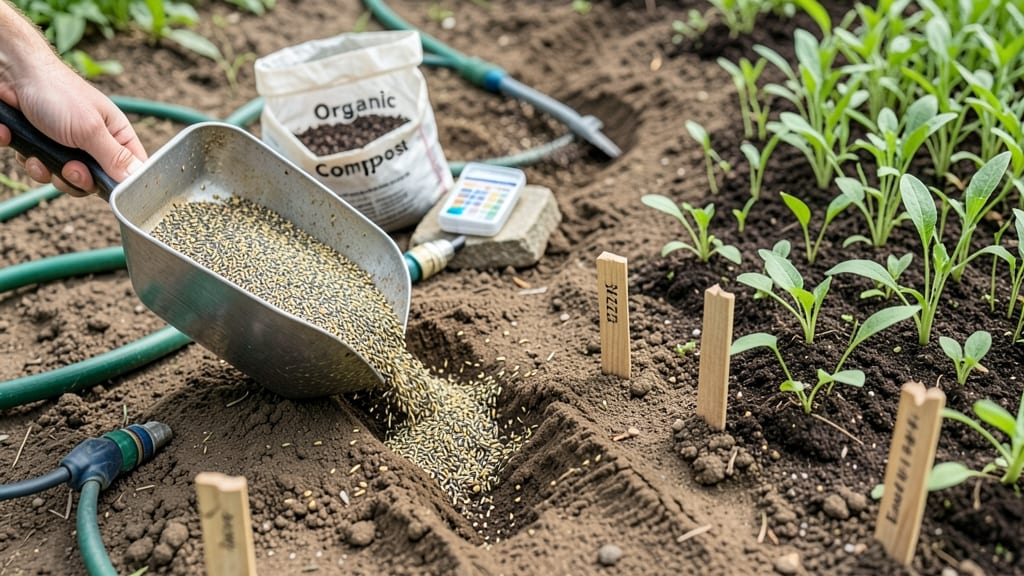
Timing your 🌱 grass seed planting in New Jersey could make the difference between a lush, resilient lawn and months of patchy regrowth. The best window isn’t just about the calendar—it’s about escaping the state’s notorious spring rain delays and summer droughts that sabotage seedlings.
Experts agree: early fall (September through October) is your golden ticket for deep root establishment before winter sets in. But here’s the catch—planting too late risks frost damage, while starting too early means battling weeds and uneven germination.
I’ll break down the exact deadlines for North, Central, and South Jersey, plus how to prep your soil like a pro.
You’ll also discover why spring planting (March-April) is a backup option—and when it’s better to wait. Whether you’re seeding a new lawn or repairing bare spots, these New Jersey-specific tips will save you time, money, and frustration.
Let’s get to the specifics: soil tests, seed varieties, and watering schedules that actually work in zones 6a-7b. Your perfect lawn starts with the right timing—and I’ve got you covered.
New Jersey’s ideal grass-seeding window: fall deadlines by region
New Jersey’s cool-season climate (USDA Zones 6a-7b) makes early fall the golden window for grass seed planting. Unlike spring, fall’s mild temperatures (60–75°F) and consistent moisture help seeds germinate without stress. In NJ, September to mid-October is prime time—before first frost (around November 1) halts growth.
But timing isn’t one-size-fits-all. North Jersey’s (e.g., Bergen, Passaic) cooler microclimates shift deadlines 1–2 weeks earlier than South Jersey’s (e.g., Cape May, Atlantic). Urban areas like Newark or Jersey City may face heat islands, delaying planting by 5–7 days compared to rural zones.
Soil temperature is your best guide. Aim for 50–65°F at 4 inches deep—ideal for cool-season grasses like tall fescue or Kentucky bluegrass. Use a soil thermometer ($10 at garden centers) to check daily. If temps dip below 50°F, germination slows dramatically.
Here’s your region-specific timeline to avoid common mistakes like crabgrass takeover or shallow roots:
Why does this timing work? Fall planting lets grass establish deep roots (6+ inches) before winter. By spring, your lawn will outcompete weeds like crabgrass, which thrive in bare soil. Skip fall, and you’ll face uneven growth or dormancy if planted too late.
For warm-season grasses (e.g., Bermuda), spring is better—but they struggle in NJ’s hot summers. Stick with cool-season blends for year-round color. Seed mixes like ‘ShadeMaster’ (for shady spots) or ‘Sun & Shade’ (for mixed light) perform best in NJ’s varied landscapes.
Urban gardeners should test soil pH (aim for 6.0–7.0) and aerate compacted lawns before seeding. Rent a core aerator ($60/day) or hire pros for $0.10/sqft. Skip this step, and your seeds may wash away or rot from poor contact with soil.
If you miss fall, overseed in spring (March–April), but expect weed competition and drought stress. Spring planting also risks crabgrass invading before your grass fills in. Pre-emergent herbicides (applied in early spring) can help, but they’re not foolproof.
Remember: New Jersey’s weather is unpredictable. Always have a backup plan—like straw mulch to retain moisture or a weatherproof seed blanket for windy days. With the right timing, your lawn will outperform neighbors’ by next summer.
How to prepare your soil and seed for fall planting success
Preparing your New Jersey lawn for fall grass seeding isn’t just about throwing seed on dirt—it’s about creating the perfect conditions for deep roots and weed suppression. Start by testing your soil pH (aim for 6.0–7.0) using a home kit or local extension service.
Most NJ soils lean acidic, so lime may be needed to adjust levels before planting.
Next, aerate your lawn 2–4 weeks before seeding to break up compacted soil. Rent a core aerator or hire a pro—this step is critical for cool-season grasses like Kentucky Bluegrass and Tall Fescue, which thrive in well-oxygenated soil. Skip this if your lawn is already loose or sandy.
Add 2–3 inches of compost or a slow-release organic fertilizer (like 10-10-10) to the top 2–3 inches of soil. Work it in lightly with a rake, focusing on areas with thin grass or bare spots. This boosts nutrient availability while improving soil structure for seed-to-soil contact.