
Plants
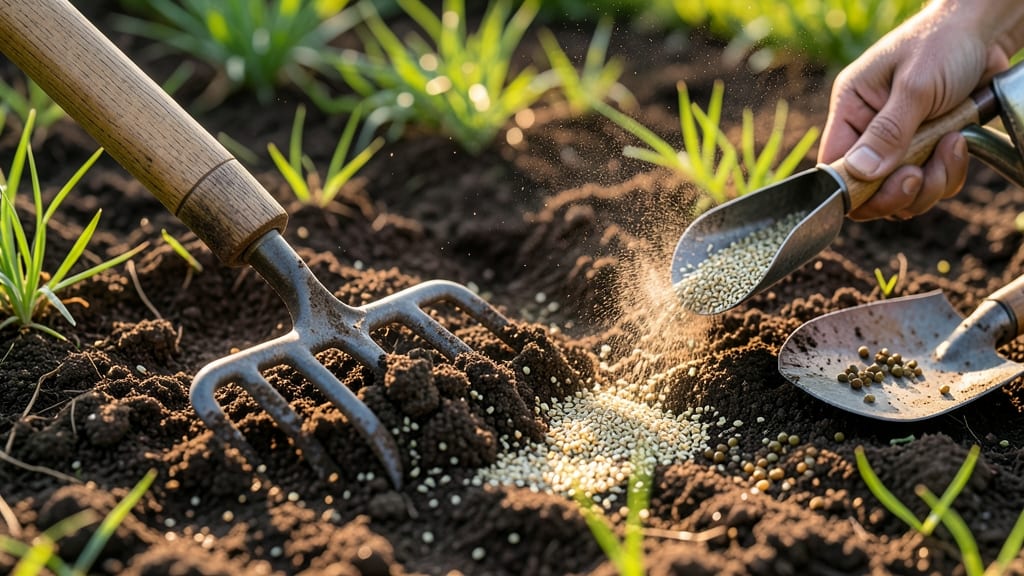
Timing your grass seed planting in spring is the secret weapon behind that perfect lawn you’ve always dreamed of—especially in Zone 6a where frost can still sneak up. One wrong move, and you’re staring at patchy, struggling grass instead of a vibrant carpet of green.
I’ve learned the hard way that planting too early—when soil is still cold or frost lingers—can leave your seeds vulnerable. But get it right, and you’ll see those first tender 🌱 shoots breaking through in just 7-14 days, setting the stage for a lawn that lasts all season.
Here’s the game-changer: the ideal window is 4-6 weeks before your last frost date, when soil temperatures hit at least 50°F. That means in most of the U.S., you’re looking at late March or early April—but your exact timing depends on local conditions.
Ready to skip the guesswork? I’ll walk you through how to check your soil, avoid common pitfalls, and keep your new grass thriving with the right care. Let’s get that lawn started on the right foot!
Best weeks before last frost to plant grass seed by US planting zones
Planting grass seed at the right time in spring is all about balancing soil warmth and frost-free consistency. The general rule? Aim for 4-6 weeks before your last expected frost date, when soil temperatures hit a steady 50-65°F range.
This window ensures seeds germinate quickly without risking frost damage, giving your lawn the best start possible.
Your USDA planting zone plays a huge role in timing. Northern zones (like Zones 3-5) often wait until late April or early May, while southern zones (like Zones 8-10) can start as early as February or March.
The key is consistent warmth—not just the calendar date.
Here’s how to align your planting with your zone for optimal germination:
| USDA Zone | Weeks Before Last Frost | Ideal Soil Temp (°F) | Best Month to Plant | Regional Notes |
|---|---|---|---|---|
| Zones 3-5 | 4-6 weeks | 50-55°F | Late April–Early May | Wait for nighttime temps above 40°F to avoid frost kill. |
| Zones 6-7 | 4-5 weeks | 55-60°F | Mid-April–Early May | Southern Zone 7 can plant as early as March in mild winters. |
| Zones 8-10 | 3-4 weeks | 60-65°F | February–Early March | Avoid planting if rainfall exceeds 1 inch/week—seeds need dry soil to sprout. |
For example, if your last frost date is May 15 (common in Zone 6), plant 4-5 weeks earlier, around mid-April. Use a soil thermometer to confirm temps—seeds won’t germinate below 50°F, no matter the date.
Pro tip: Check your local cooperative extension service for hyper-local advice. Microclimates (like urban heat islands) can shift your ideal planting window by 1-2 weeks. For instance, a south-facing slope warms faster than a shaded yard, so adjust accordingly.
If you’re in a transition zone (like Zone 7b), err on the side of planting later. A late frost can wipe out seedlings in 24 hours, so monitor forecasts closely.
I once planted too early in Zone 6 and lost half my seed to a surprise April frost—lesson learned!
Another critical factor is daylength. Grass seeds need 14+ hours of daylight to germinate efficiently. In northern zones, this happens naturally by late April, but in Zone 8+, seeds may sprout faster in February due to longer days.
Finally, cool-season grasses (like tall fescue or Kentucky bluegrass) thrive when planted in spring or fall, while warm-season grasses (like Bermuda or Zoysia) wait for soil temps above 65°F, typically late spring. Double-check your grass type before scheduling!
Once you’ve nailed the timing, prep your soil by removing debris, loosening the top 4 inches, and raking for a fine seedbed. This step alone can boost germination rates by 30%—worth the extra effort for a lush start.
Signs your soil and weather are ready for spring grass seed planting
Timing your grass seed planting isn’t just about counting weeks before last frost—it’s also about reading your soil and weather like a pro. Cold soil and unpredictable frost can stall germination, while overly warm conditions might dry out your seeds before they sprout.
The key is catching that sweet spot where soil temperatures are consistently warm enough, moisture levels are ideal, and frost is truly a thing of the past.
Start by checking your soil temperature—it should hover between 50°F and 65°F for most grass seed varieties. This range ensures seeds germinate quickly without risking rot or dormancy.
Use a soil thermometer (just $10 at garden centers) to test the top 1-2 inches of soil on a shady afternoon for the most accurate reading. If it’s below 50°F, your seeds will struggle to wake up, no matter how much you water them.
🌱 5 Key Signs Your Soil and Weather Are Ready
- Soil temp: 50-65°F (test with thermometer)
- Frost-free: 7+ consecutive nights above 32°F
- Moisture: Soil feels damp 1-2 inches deep (like a wrung sponge)
- Weather: No rain forecast for 24-48 hours post-planting
- Sunlight: 6+ hours of direct sun daily (no shade blockages)
Don’t overlook the moisture test—stick your finger 1-2 inches into the soil. It should feel damp but not soggy, like a wrung-out sponge. If it’s bone-dry, you’ll need to water deeply for 2-3 days before planting to prep the seedbed.
Pro tip: Water in the early morning to let excess moisture evaporate by evening, reducing fungal risks.
Watch for consistent weather patterns too. Aim to plant when your local forecast shows no rain for 24-48 hours after seeding. Rain can wash seeds away or bury them too deep, while dry spells post-planting can cause seeds to dry out before sprouting.
Check the 10-day outlook—stable conditions are your best friend here.
Finally, confirm your lawn gets 6+ hours of direct sunlight daily. Shady spots (even partial shade) can slow germination and lead to weak, patchy growth.
If your yard has tree shade, consider shade-tolerant grass varieties like fine fescue or Kentucky bluegrass, but still plant them when soil temps are ideal.
Once you’ve checked all these boxes, you’re ready to roll! Grab your seed, rake that fine seedbed, and get planting—your future lawn will thank you. 🌿