
Plants
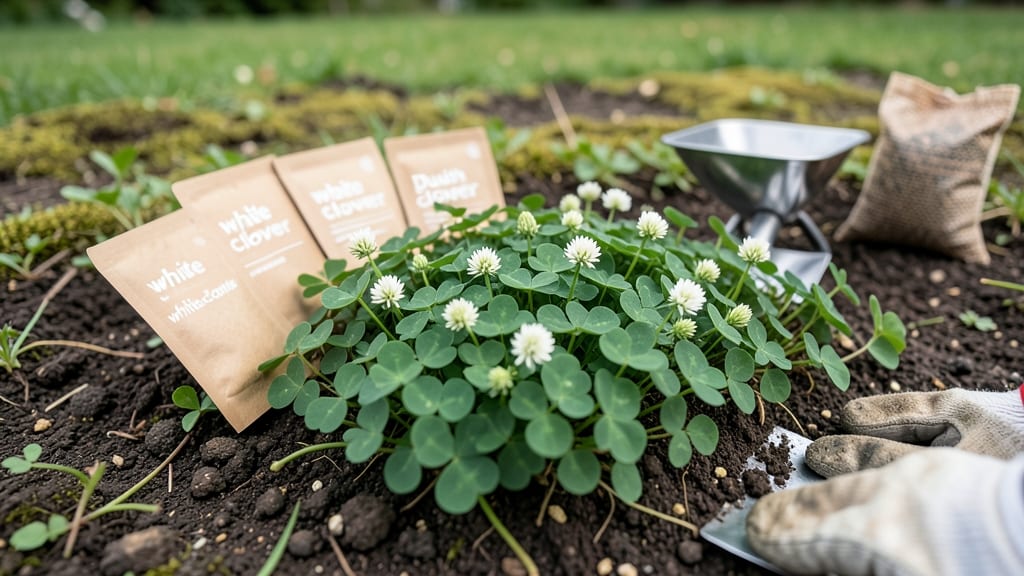
Timing your clover planting just right in spring can mean the difference between a vibrant, weed-resistant lawn and a sparse, patchy mess—here’s how to get it perfect every time.
If you're in USDA Zone 6a, like many gardeners across the Midwest, the best window to plant 🌱 clover is early to mid-spring, between March and April.
This timing ensures your seeds germinate just as the soil warms, giving them the ideal conditions to establish strong roots before summer heat arrives.
Why does timing matter so much? Planting too early risks frost damage, while waiting too long can lead to poor germination. I’ll walk you through the exact steps to prepare your soil and choose the right variety for your climate, so you can enjoy lush, low-maintenance ground cover all season.
Whether you're aiming for erosion control or a pollinator-friendly garden, getting the timing right is the key to success. Let’s dive into the best practices for planting clover this spring so you can enjoy a thriving lawn without the hassle.
Best spring planting months for clover by USDA hardiness Zone
Getting your clover planted at the perfect time in spring ensures strong germination and lush growth. The ideal window depends on your USDA hardiness zone, soil temperatures, and last frost dates.
Planting too early risks frost damage, while waiting too long may lead to weed competition. Let’s break down the best months for each zone to maximize your success.
Clover thrives when soil temperatures reach at least 50°F (10°C), which typically occurs in March or April for most regions. However, cooler zones like Zones 3-5 may need to wait until late April, while warmer zones like Zones 8-10 can start as early as February.
Always check your local last frost date to avoid planting too soon.
Below is a detailed guide for planting white clover, red clover, and micro clover across USDA Zones 3-10. Each variety has slight variations in ideal planting times, so choose the one that fits your climate and goals.
| USDA Zone | Best Planting Month | Soil Temp Requirement | Notes |
|---|---|---|---|
| Zones 3-5 | Late April to early May | 50-55°F (10-13°C) | Wait for frost to pass; use micro clover for cooler climates. |
| Zones 6-7 | March to early April | 50-55°F (10-13°C) | Ideal for white clover; avoid late frosts. |
| Zones 8-10 | February to March | 55-60°F (13-16°C) | Red clover grows fastest in warm climates; plant early. |
If you’re in a transition zone (e.g., Zone 7b), err on the side of waiting until early April. Clover seeds germinate best when soil is consistently warm, so avoid planting if nighttime temperatures dip below 40°F (4°C).
Use a soil thermometer to confirm readiness—this small tool can save you from wasted seeds and missed opportunities.
For northern regions (Zones 3-5), consider starting clover indoors in late winter and transplanting after the last frost. This method gives your clover a head start and reduces the risk of frost damage.
Use small pots with well-draining soil and keep them in a sunny window or under grow lights until outdoor conditions improve.
In warmer climates (Zones 8-10), you can even plant clover in late fall for an early spring harvest. However, if you’re focusing on spring planting, aim for February to give your clover enough time to establish before summer heat sets in.
Red clover, in particular, benefits from early planting in these zones.
Always consider your specific clover variety. Micro clover is more cold-tolerant and can handle earlier planting in cooler zones, while red clover grows best in warmer soils. White clover is versatile and adapts well to most spring planting windows, making it a great choice for beginners.
One pro tip: If you’re planting clover for pollinators or soil improvement, aim for a mixed planting of white and red clover. This combination supports biodiversity and improves your lawn’s resilience to drought and pests. Just be sure to plant them in the same timeframe for even growth.
Finally, don’t forget to monitor your local weather forecasts in the weeks leading up to planting. A sudden cold snap can delay germination, so have a backup plan—like a lightweight row cover—to protect your young clover seedlings if needed.
With the right timing, your clover will thrive and transform your lawn into a lush, low-maintenance green space.
Ready to get started? Grab your seeds, check that soil temperature, and plant with confidence—your future clover patch is waiting! 🌱
Best spring planting months for clover by USDA hardiness Zone
Spring is the perfect time to plant clover—but timing varies dramatically by USDA zone and clover type. In Zones 3-5, where frosts linger into May, aim for late April to early May to avoid cold snaps.
Meanwhile, gardeners in Zones 6-10 can start as early as March, provided soil temperatures stay above 50°F (10°C). The key is balancing warm soil with minimal frost risk—plant too early, and seeds may rot; too late, and weeds steal the show.
White clover thrives in cooler climates, making it ideal for Zones 3-6, while red clover and micro clover prefer warmer Zones 7-10. Each variety has a 60-day window for optimal germination, so adjust your schedule accordingly. For example, in Zone 8, March planting ensures full growth before summer heat sets in, whereas Zone 4 gardeners should wait until mid-May to play it safe.
🌱
| USDA Zone | Best Planting Month | Soil Temp Requirement | Clover Variety |
|---|---|---|---|
| 3-5 | Late April–Early May | 50°F (10°C)+ | White Clover |
| 6-7 | March–Early April | 45°F (7°C)+ | Red/Micro Clover |
| 8-10 | February–March | 55°F (13°C)+ | All Types |
Regional microclimates add another layer of complexity. Coastal areas with milder springs (e.g., Pacific Northwest) can plant white clover as early as February, while inland Great Plains zones may need to wait until mid-April.
Always check your local frost dates—a late frost can wipe out young seedlings in days. For extra protection, use row covers or plant after the last frost date in your area.
Don’t overlook moisture levels during planting. Clover seeds need consistent soil moisture to germinate, so plan for regular watering (but avoid waterlogging). In dry climates, like the Southwest (Zones 9-10), consider pre-sprouting seeds indoors before transplanting in late February to jumpstart growth.
This trick ensures your clover establishes before summer heat arrives.
🌿 For pollinator-friendly gardens, prioritize early spring planting—bees and butterflies rely on clover blooms starting in late May. If you’re growing clover for lawn improvement, aim for mid-spring to outcompete weeds before they take over.
Remember: clover fixes nitrogen in the soil, so the earlier it establishes, the sooner your garden benefits.
Pro tip: Test your soil temperature with a soil thermometer—clover seeds won’t sprout below 45°F (7°C). If your soil is still chilly, hold off until conditions improve.
Patience now means lush, weed-free growth later. For fastest results, combine planting with a light topsoil amendment (like compost) to boost nutrient availability.