
Plants
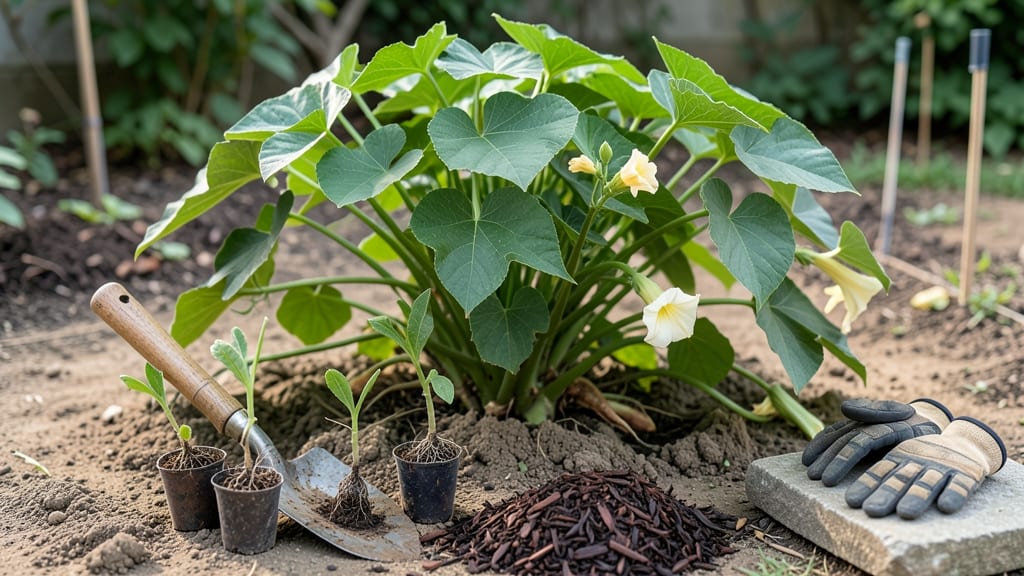
North Carolina sweet potato planting calendar: soil temps & frost-free deadlines
Sweet potatoes love North Carolina’s warm climate, but they’re frost-sensitive and need consistent heat to thrive. The best time to plant depends on your region’s last frost date and soil temperature.
In most of NC, aim for late April to early June—after the danger of frost has passed and soil warms to 60–65°F.
Coastal areas (like Wilmington) can plant 2–3 weeks earlier than the Piedmont or Mountains. High-elevation zones (Asheville, Boone) should wait until mid-May to avoid frost damage. Always check your local frost dates—NC’s vary wildly from March 15 (coastal) to April 15 (mountains).
Sweet potatoes grow best as slips (young plants), not seeds, so start them indoors 4–6 weeks before your target outdoor planting date. Slips need warm soil to root properly—if planted too early, they’ll rot. Use a soil thermometer to confirm temps before planting.
Key planting windows by NC region: - Coastal Plain (e.g., Raleigh, Fayetteville): Late April–early May - Piedmont (e.g., Charlotte, Greensboro): Early May - Mountains (e.g., Asheville, Boone): Mid-May
🌱 North Carolina Sweet Potato Planting Summary
| Region | Last Frost Date | Optimal Planting Window | Soil Temp Requirement | Harvest Window |
|---|---|---|---|---|
| Coastal Plain | Mid-March | Late April–Early May | 60–65°F | Late Sept–Early Nov |
| Piedmont | Early April | Early–Mid May | 60–65°F | Mid-Sept–Late Oct |
| Mountains | Late April | Mid–Late May | 60–65°F | Late Sept–Early Oct |
🌡️ Pro Tip: Use black plastic mulch to warm soil faster and extend your planting window by 1–2 weeks.
If you plant too early, slips may rot in cold soil. If you plant too late, your harvest could be cut short by frost. Aim for a 120–150-day growing season—most NC gardeners harvest between late September and November.
For fastest yields, choose early-maturing varieties like ‘Beauregard’ (90 days) or ‘Georgia Jet’ (90 days). These thrive in NC’s shorter summers. Avoid late varieties like ‘Centennial’ (140 days) unless you’re in the Coastal Plain with a longer growing season.
After planting, keep soil consistently moist but not soggy. Sweet potatoes need 6+ hours of sun daily—choose a south-facing spot with well-draining soil. Mulch heavily to retain moisture and regulate soil temperature.
Watch for vines turning yellow in late summer—a sign tubers are maturing. Harvest before the first frost (usually November 1 in NC) by gently digging around plants with a fork. Cure harvested sweet potatoes at 80–85°F and 80% humidity for 10 days to improve flavor and storage life.
✅ Ready to plant? Mark your calendar for late April–early June and test your soil temp before committing. With the right timing, you’ll enjoy a bountiful harvest of sweet, homegrown tubers!
How to extend your sweet potato growing season in North Carolina’s short summers
North Carolina’s summers are short, but with the right strategies, you can extend your sweet potato harvest by weeks. Sweet potatoes need 90-120 days to mature, and planting too late risks a frost-damaged crop. The key is warming the soil faster and protecting plants from early autumn chills. Most gardeners plant slips (young plants) in late April to early June, but you can push your harvest later by using season-extending techniques. Fast-maturing varieties like ‘Beauregard’ (90 days) or ‘Georgia Jet’ (90 days) are perfect for this approach. These varieties give you flexibility to plant later in the season while still producing a harvest before frost.One of the most effective ways to extend your growing season is by using black plastic mulch. This raises soil temperature by 5-10°F, allowing you to plant 2-3 weeks earlier in spring or delay harvest by 2 weeks in fall. Simply lay 3-4 feet wide of black plastic over your planting beds 1-2 weeks before transplanting slips. The mulch also suppresses weeds and retains moisture, reducing your watering needs by 30-40%.
If you’re planting in late May or early June, consider using row covers to protect your crop from early autumn frosts. These lightweight fabrics trap heat and can delay frost damage by 2-3 weeks. Install them in the evening and remove them during the day to prevent overheating. Pair row covers with stakes or hoops to keep them off the plants and allow for pollination if needed (though sweet potatoes are self-pollinating).
For gardeners in higher elevations (like the Mountains region), where summers are even shorter, succession planting is a game-changer. Instead of planting all your slips at once, stagger your plantings every 2 weeks from late April to mid-June. This ensures a continuous harvest from late September through October, giving you fresh sweet potatoes even as temperatures drop.
Finally, choose your location wisely. Sweet potatoes thrive in full sun (6+ hours daily), but in North Carolina’s humid summers, they also benefit from afternoon shade to prevent wilting. Plant them near tall plants like corn or sunflowers to provide natural shade in the hottest part of the day. Alternatively, use a shade cloth (30-50%) during peak afternoon heat to reduce stress on the plants.
With these strategies, you can turn North Carolina’s short growing season into a sweet potato goldmine. Whether you’re using black plastic mulch, row covers, or succession planting, the goal is the same: maximize your harvest window and enjoy homegrown sweet potatoes well into autumn. 🍠🌿