
Plants
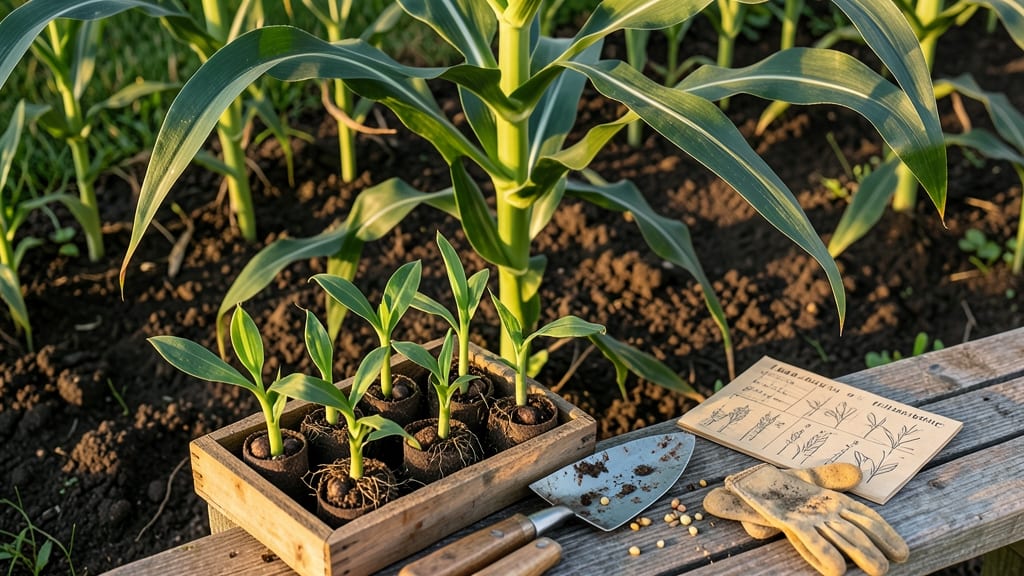
Optimal corn planting dates by South Carolina region (USDA 7b-8a)
South Carolina's diverse climate—from the coastal plains to the Piedmont mountains—means your corn planting window can shift by weeks. In USDA Zones 7b-8a, the last frost date typically falls between mid-March and early April, but soil warmth is the real deciding factor for corn.
Unlike frost-sensitive crops, corn thrives when soil temperatures hit at least 60°F, which usually occurs 2-3 weeks after the last frost. For sweet corn, this window is critical to avoid starchy, tough kernels or earworm damage from late plantings.
In coastal SC (Zone 8a), where springs arrive earlier, you can start sweet corn seeds as early as late March, but most gardeners wait until mid-April to ensure soil warmth. Meanwhile, in the Piedmont (Zone 7b), cooler nights may delay planting until early May.
Understanding these regional differences helps you align planting with peak harvest times—typically late July to October—when temperatures remain warm enough for ear development.
For field corn or popcorn varieties, which take longer to mature (90-120 days), you’ll want to plant earlier in the season to avoid fall frosts cutting harvests short.
These varieties benefit from succession planting in late May or June for a second crop, though yields may be smaller. The key is balancing soil warmth with frost-free days—South Carolina’s 210-day growing season gives you flexibility, but timing is everything.
🌽 Pro Tip: Use a soil thermometer to confirm 60°F+ soil temps before planting. If your garden feels cool, opt for fast-maturing varieties (60-75 days) or delay until late April.
🌽 South Carolina Corn Planting Schedule by Region
| Region | USDA Zone | Last Frost | Ideal Planting Window | Soil Temp Goal | Harvest Window |
|---|---|---|---|---|---|
| Coastal Plains | 8a | Mid-March | Late March–Mid-April | 60°F+ | Late July–October |
| Piedmont | 7b | Early April | Early–Mid-May | 60°F+ | August–October |
| Upstate (Near GA Border) | 7b | Early April | Mid-April–Early May | 60°F+ | Late July–September |
Adjust for early/late varieties—shorter-season types can plant as late as June for fall harvests.
If you’re growing sweet corn, aim for two plantings: one in April-May for a summer harvest and another in June for a fall crop. This succession planting strategy ensures a steady supply of tender, sweet ears before the first frost in November.
For field corn or popcorn, a single early May planting is often sufficient, as these varieties handle hotter summer temperatures better than sweet corn.
🌡️ Watch Out: Soil temperature is more critical than air temperature. Test it with a soil thermometer—corn seeds won’t germinate below 50°F, and slow germination invites fungal diseases like seed rot.
If your soil is still cool in early April, consider row covers or black plastic mulch to warm it faster. In cooler Piedmont areas, delaying until mid-May can prevent stunted growth and poor ear development.
For organic gardeners, incorporate compost or aged manure 2-3 weeks before planting to boost soil warmth naturally. This also improves drainage, which is crucial in heavy clay soils common in Upstate SC.
If your garden has sandy soil (like in the coastal plains), add peat moss or coconut coir to retain moisture during dry spells in June and July.
📅 Remember:* South Carolina’s humidity peaks in summer, creating ideal conditions for corn earworms and fungal diseases. Planting at the right time ensures your corn outpaces pests and matures before fall rains increase disease risk.
For maximum yield, pair your planting schedule with proper spacing (12-18 inches apart) and deep watering (1-2 inches per week) to support those tall stalks (6-12 feet)!
How to Adjust planting time for corn variety and soil conditions
Not all corn is created equal—variety selection and soil readiness can shift your planting window by weeks.
In South Carolina's USDA Zones 7b-8a, early-maturing varieties like 'Silver Queen' (60-70 days) can start as early as late March in coastal areas, while late-season types like 'Peaches and Cream' (90+ days) may need to wait until mid-May to avoid frost risks.
Soil temperature is your true planting guide, not just frost dates. Corn won’t germinate well below 50°F, but roots thrive at 60°F+. Use a soil thermometer to confirm readiness—plant when temps hold steady for 3-5 days.
In Piedmont SC, this often means mid-April, while coastal areas may wait until early May due to slower warming.
For organic gardens, incorporate compost 2 weeks before planting to boost soil warmth. In sandy coastal soils (e.g., Hilton Head), add peat moss to retain moisture—corn hates drought stress during tasseling (when pollen forms).
Monitor weather forecasts: 3+ days of 80°F+ after planting signals it’s time to mulch with straw to lock in heat.
Pro tip: Plant dwarf varieties (like 'Bodacious') in containers for patios or small spaces—they mature in 65 days and tolerate slightly cooler soils than standard types. Just ensure containers have drainage holes to prevent root rot in SC’s humid summers.
Remember, corn is a warm-season crop—rushing it leads to poor germination or blight. When in doubt, wait until mid-May for a foolproof harvest. Your ears will thank you!