
Plants
Best planting months for garlic in new hampshire’s climate zones
New Hampshire’s USDA zones 4b–6a create a unique window for planting garlic, where timing is everything. Unlike warmer climates, NH gardeners must plant in fall (not spring) to ensure bulbs mature before summer’s heat.
The key? Planting 4–6 weeks before the ground freezes, typically between mid-October and early November. This cold exposure triggers bulb formation, while winter’s chill preserves energy for spring growth.
For Zone 4b (northern NH), aim for late September to mid-October—earlier than southern regions. In Zone 5a–6a (Concord, Portsmouth), October 1–15 is ideal. Soil temperatures should hover around 40–50°F at planting time, signaling it’s time to act.
Miss this window, and you risk stunted bulbs or no harvest at all.
Here’s the critical rule: Garlic needs 120–150 days of cold exposure to form proper bulbs. NH’s winters deliver this naturally, but planting too late (after November 15) cuts the cold period short, leading to small, weak harvests. Mark your calendar now—this is your one shot each year!
| Zone | Ideal Planting Window | Soil Temp | Key Tip |
|---|---|---|---|
| 4b (North) | Late Sept–Mid-Oct | 40–50°F | Plant before first frost |
| 5a–6a (South) | Oct 1–15 | 45–55°F | Avoid planting after Nov 1 |
| All Zones | 4–6 weeks before freeze | Below 40°F | Use mulch for insulation |
Don’t let early snow or frost fool you—garlic cloves can survive light freezes, but the soil must remain workable. Test your soil’s readiness by pressing your finger 2 inches deep; if it’s firm but not rock-hard, it’s time to plant.
Pro tip: Use a soil thermometer to confirm temps. In 2023, NH’s first hard freeze hit October 22 in the north, so act before October 15 to be safe.
For spring planting (a risky backup), you can try March–April, but bulbs will be 30–50% smaller due to lack of winter chill. This method is only for experimental gardeners or those with unheated garages for cold storage. Most NH growers stick to fall planting for reliable results.
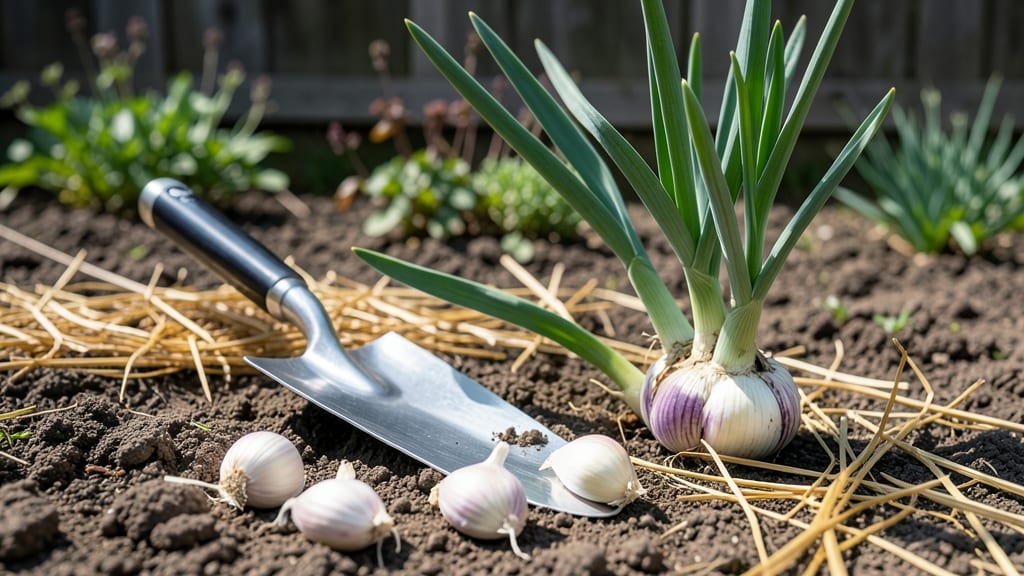
One common misconception is that garlic needs to be planted in deep soil. In reality, cloves only need 2 inches of coverage—any deeper, and they’ll rot. Pair this with 2–3 inches of mulch (straw or leaves) to insulate roots through winter.
This simple step can double your yield by protecting cloves from freeze-thaw cycles.
NH’s unpredictable weather adds another layer of challenge. If winter warmth thaws the soil early, garlic may sprout prematurely and get damaged by late frosts. To hedge your bets, plant in stages: half your cloves in early October, the rest by November 1.
This extends your harvest window and ensures at least some success, even if one batch fails.
Finally, don’t skip soil prep. NH’s acidic, rocky soil (pH 4.5–5.5) needs amendment with compost or lime to reach pH 6.0–7.0. Work in aged manure or worm castings 2–3 weeks before planting to give roots a nutrient boost. This step is non-negotiable—poor soil = tiny bulbs.
Timing your garlic planting in NH isn’t just about months or weeks—it’s about soil temps, frost dates, and winter insulation. Master these factors, and you’ll harvest plump, flavorful bulbs by July, ready for roasting, braiding, or sharing with neighbors. 🧄
Best planting months for garlic in new hampshire’s climate zones
New Hampshire’s USDA zones 4–6 create a unique challenge for garlic growers—cold winters demand precise timing. Planting too early or late can stunt bulb development, so understanding your local frost dates is critical.
Most NH gardeners aim for mid-September to late October, but soil temperature (not air temperature) determines readiness.
The key is planting 4–6 weeks before the ground freezes (typically by November 15 in most regions). This window ensures roots establish before winter dormancy.
For example, in zone 5a (common in southern NH), aim for early October, while zone 4b (northern NH) may need to plant by mid-September.
| Zone | Ideal Planting Window | Soil Temp Requirement | Last Frost Target |
|---|---|---|---|
| 4b | Mid-Sept to early Oct | 45–50°F | Before Oct 20 |
| 5a | Early to mid-Oct | 40–45°F | Before Nov 1 |
| 6a | Late Sept to early Nov | 35–40°F | Before Nov 15 |
*Adjust for early/late frosts in your microclimate.
If you miss the fall window, spring planting is possible but yields are smaller. For spring, plant as early as March (when soil reaches 40°F) to give bulbs time to mature before summer heat. However, fall-planted garlic always produces larger, more robust bulbs in NH’s climate.
Pro tip: Use a soil thermometer to confirm readiness—garlic cloves need 40–50°F soil to sprout. In NH’s unpredictable fall weather, this tool is your best friend for timing. Don’t rely on air temperature alone, as ground can stay warm long after chilly nights arrive.
Once planted, mulch heavily (4–6 inches) with straw or leaves to insulate bulbs through winter. This protects against heaving (bulbs pushing out of soil) and ensures consistent growth. In zone 4b, mulch may need removal in early spring to prevent rot.
Remember: Hardneck varieties (like ‘German White’) thrive in NH’s cold, while softneck types (like ‘Silverskin’) struggle with winterkill. Choose wisely based on your zone and intended use (roasting vs. braiding). For NH gardeners, hardnecks are the clear winner.