
Plants
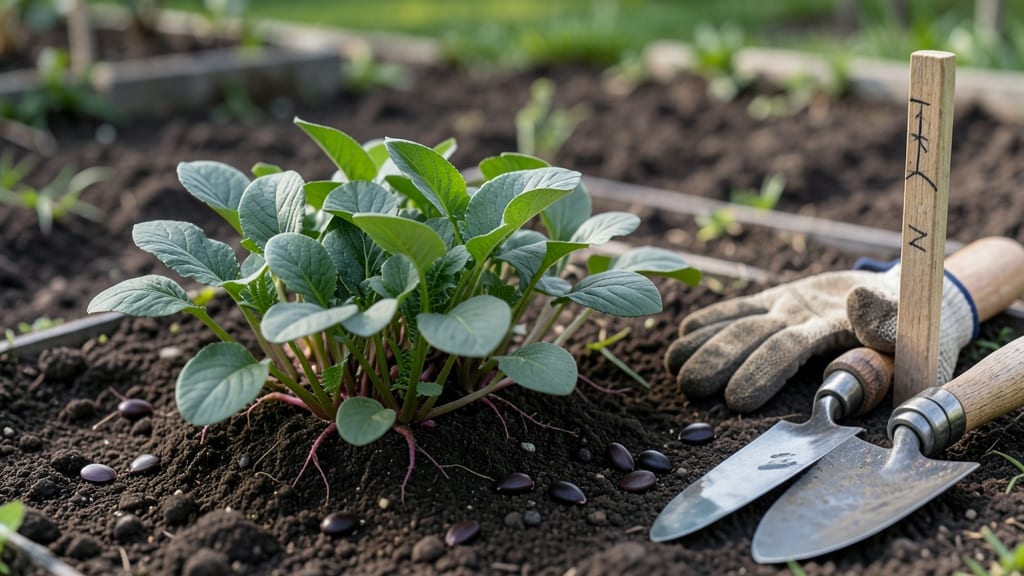
Timing your beet planting in Wisconsin isn’t just about following a calendar—it’s about beating the unpredictable frost that can turn tender 🍠 greens into a lost cause. Whether you're in USDA Zone 4b or 5b, planting too early risks late-spring freezes, while waiting too long shrinks your harvest window.
The key? Understanding your local frost dates and soil temperature thresholds to lock in the perfect 60-day window for a bountiful crop.
Spring-planted beets in Wisconsin thrive when soil warms to at least 40°F, typically around mid-April, but don’t rush—wait until after the last frost (usually April 15) to avoid stunted growth.
Fall plantings, on the other hand, should start by mid-July to ensure roots mature before the first frost hits in October. This balance is what separates a thriving garden from a disappointing one.
What sets Wisconsin apart? Our short growing season demands smart strategies like succession planting—staggering seeds every 2 weeks from April to July—to keep your kitchen stocked with fresh beets from June through October.
Plus, urban gardeners in Madison or Milwaukee may need to adjust for microclimates, while rural areas can push the envelope with cold-hardy varieties like ‘Detroit Dark Red.’
Ready to master the art of beet planting? I’ll walk you through exact dates, soil prep, and pro tips to turn Wisconsin’s challenges into a reliable harvest. Let’s get those seeds in the ground the right way.
Wisconsin beet planting calendar: exact dates by USDA Zone (3-5)
Wisconsin’s USDA Zones 3-5 demand precision when planting beets. The key is aligning your schedule with soil temperatures (aim for 40°F+) and frost-free dates, which vary by region.
In Milwaukee (Zone 5b), last frost typically hits April 15, while Green Bay (Zone 4b) can see frost until May 1. Plan accordingly to avoid losing your crop to late freezes.
For spring planting, start seeds indoors 4-6 weeks before your last frost date or sow directly in well-drained soil once temperatures stabilize. In Madison (Zone 5a), this means planting outdoors between April 20–May 10.
Fall planting should begin 8–10 weeks before your first frost (usually July 15–August 15), giving beets time to mature before winter arrives.
Beets thrive in Wisconsin’s cool-season climate, but they’re sensitive to heat stress. Avoid planting after June 15 in spring or before July 1 in fall, as high temperatures can cause bolting (premature flowering) and bitter roots.
Instead, opt for succession planting every 2 weeks to ensure a steady harvest.
| Region (USDA Zone) | Last Frost Date | Spring Planting Window | Fall Planting Window | Soil Temp Threshold |
|---|---|---|---|---|
| Milwaukee (5b) | April 15 | April 20–May 10 | July 15–August 15 | 40°F+ |
| Madison (5a) | April 25 | May 1–May 15 | July 10–August 10 | 40°F+ |
| Green Bay (4b) | May 1 | May 10–May 25 | July 1–July 31 | 45°F+ |
Choose cold-hardy beet varieties like ‘Detroit Dark Red’ or ‘Golden’ for Wisconsin’s climate. These varieties tolerate light frosts and mature quickly (in 50–60 days), making them ideal for early spring or late fall planting. Always check seed packets for days to maturity to align with your frost dates.
Before planting, prepare your soil by amending it with compost to improve drainage and fertility. Beets prefer loose, well-draining soil with a pH of 6.0–7.0. Test your soil in early spring to ensure it meets these requirements.
If your soil is heavy clay (common in Wisconsin), mix in sand or peat moss to improve aeration.
For container gardening, use pots at least 6 inches deep and fill them with a lightweight potting mix. Plant seeds ½ inch deep and thin seedlings to 3–4 inches apart to prevent competition.
Containers warm up faster than garden beds, so start them 1–2 weeks earlier than your outdoor planting date.
Monitor soil moisture closely, especially during Wisconsin’s unpredictable weather. Beets need consistent watering (about 1 inch per week) to prevent bolting or woody roots. Use a drip irrigation system or soaker hose to deliver water directly to the soil, reducing evaporation and disease risk.
Keep an eye on your harvest timeline. Beets are ready to pick when roots reach 1–3 inches in diameter and leaves are 4–6 inches tall. In Wisconsin, spring-planted beets can be harvested from June through October, while fall-planted crops yield in September and October.
Pull beets gently to avoid damaging the roots.
If you miss the spring window, don’t worry—fall planting can still yield a bountiful harvest. Start seeds in mid-July for a late-summer harvest or in early August for a fall crop. Use row covers to extend the season and protect tender greens from early frosts.
How to extend your beet harvest season in Wisconsin’s short growing season
Wisconsin’s short growing season (just 165 frost-free days in most areas) can feel like a race against time for beet lovers. But with the right strategies, you can stretch your harvest from early summer through crisp fall.
The key? Succession planting, cold-hardy varieties, and smart timing to beat the first frost.
Start by choosing early-maturing varieties like ‘Detroit Dark Red’ (ready in 50-60 days) or ‘Golden’ (ideal for quick harvests). These give you a head start before Wisconsin’s first frost (typically mid-October). For a continuous supply, plant seeds every 2-3 weeks from late April through early July.
Here’s how to maximize your beet harvest without losing plants to frost or bolting (flowering too soon). The secret lies in 3 strategic planting windows and protective techniques that work in Wisconsin’s climate.
🌱 3 Steps to Extend Your Beet Harvest
- Step 1: Plant in Early Spring (April 15–May 15) Sow seeds when soil reaches 40°F—use a row cover if nights dip below freezing. Harvest begins in June.
- Step 2: Succession Plant Every 3 Weeks (May–July) Stagger plantings to ensure a steady supply. Use shade cloth in peak summer to prevent bolting.
- Step 3: Fall Planting for Late Harvest (July 15–August 15) Choose cold-tolerant varieties like ‘Ruby Queen’ and protect with mulch or floating row covers as temps drop.
Don’t overlook fall planting—it’s your ticket to fresh beets in September and October. Plant seeds in late July or early August for a harvest just before the ground freezes. Use black plastic mulch to warm the soil and extend the season by 2-3 weeks.
For urban gardeners or small spaces, consider container growing. Beets thrive in pots (minimum 6-inch depth) and can be moved to cooler microclimates like north-facing patios in late summer. Just ensure they get 6+ hours of sun daily.
Pro tip: Harvest baby beets (1–2 inches in diameter) for tender greens and roots. This lets you pick multiple harvests from a single planting, reducing waste and extending your supply. Save seeds from your best plants for next year’s organic succession plan!