
Plants
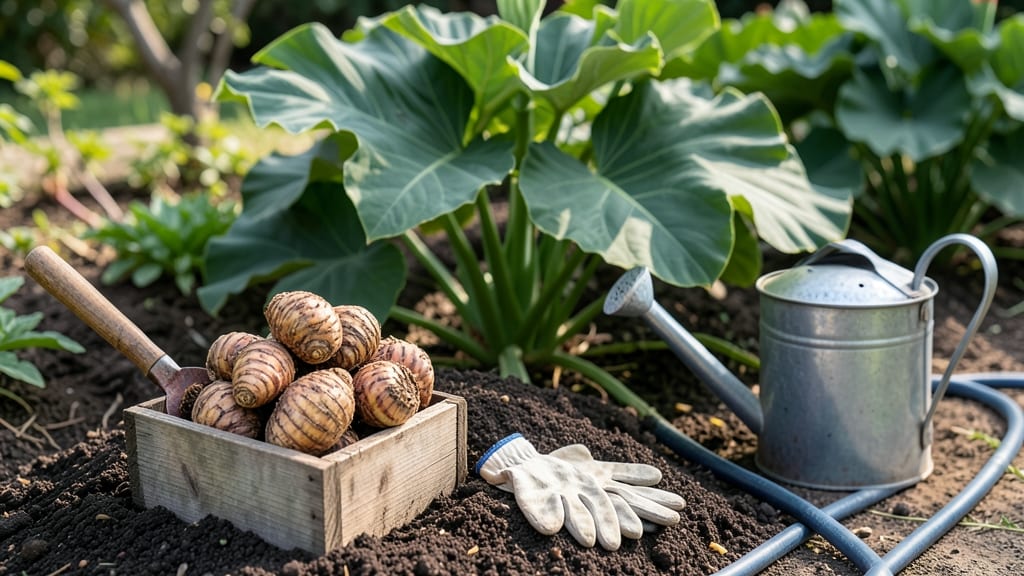
Texas-specific planting timeline for canna bulbs: avoiding heat and frost risks
Texas's diverse climate means canna bulbs can be planted year-round in some areas, but timing is critical to avoid frost damage or overheating. In North Texas (Zones 7b-8a), wait until mid-April after the last frost, while South Texas (Zones 9a-10b) gardeners can plant as early as February.
Central Texas (Zones 8a-8b) falls in between, with ideal planting in late March to early April.
Canna bulbs thrive when soil temperatures reach 60°F or higher. Use a soil thermometer to confirm—planting too soon in cool soil leads to rot. In East Texas, where humidity is higher, prioritize well-draining soil to prevent bulb rot during the spring rainy season.
Here’s a breakdown of Texas planting windows by region, including last frost dates and soil prep tips:
| Region | Last Frost Date | Ideal Planting Month | Soil Temp Threshold | Key Risk |
|---|---|---|---|---|
| North Texas (Zones 7b-8a) | Mid-March to early April | April–May | 60°F+ | Late frosts |
| Central Texas (Zones 8a-8b) | Late February–March | March–April | 60°F+ | Unpredictable spring storms |
| South Texas (Zones 9a-10b) | January–February | February–March | 65°F+ | Heat stress if planted too early |
| West Texas (Zones 8a-9a) | Mid-March | April–May | 60°F+ | Drought conditions |
For container gardening, plant canna bulbs in late April to early May across most of Texas to extend the growing season. Containers warm up faster, so monitor soil temps closely—aim for 65°F or higher before planting.
In Houston or San Antonio, where summers are brutally hot, consider shade cloth for early plantings to prevent leaf scorch.
If you’re in a warmer microclimate (e.g., near the Gulf Coast), you can plant canna bulbs as early as January, but protect them with mulch to insulate against cool night temperatures.
In Dallas or Austin, where nights can still dip below 50°F in early spring, wait until after Easter for safer results.
Pro tip: Use black plastic mulch to warm soil faster in cooler regions. This raises soil temps by 5–10°F, helping cannas establish roots quicker. Just remove it once bulbs sprout to avoid overheating.
In East Texas, where humidity is high, prioritize raised beds with compost to improve drainage. Waterlogged soil is a major killer of canna bulbs, especially in clay-heavy soils common in areas like Tyler or Beaumont.
For overwintering cannas in North Texas, dig up bulbs before first frost (usually mid-November) and store them in dry peat moss at 50–60°F. Replant in March for a head start on the blooming season.
Remember: Canna bulbs are not frost-tolerant. Even a light freeze (32°F) will kill emerging shoots. Always check the National Weather Service for frost advisories in your area before planting.
Signs your canna bulbs are ready to plant: soil, weather, and bulb condition checks
Don't rush into planting your canna bulbs without checking these critical signs. Texas's unpredictable weather means waiting for the right conditions can make the difference between thriving plants and wasted effort. I always verify soil temperature, weather forecasts, and bulb health before digging—here's how I do it.
First, test your soil temperature using a soil thermometer. Cannas need soil that's at least 60°F (15°C)—any cooler, and your bulbs may rot before sprouting. I plant mine once the soil stays consistently warm for at least a week.
In North Texas, this usually happens by early April, while South Texas gardeners can start as early as late February.
Next, examine your canna bulbs for signs of readiness. Healthy bulbs should feel firm, not mushy, and show small sprout eyes (tiny bumps) on the top. If your bulbs are still dormant with no visible growth, store them in a cool, dry place until conditions improve.
I avoid planting bulbs that feel soft or smell foul—these are red flags for rot.
Check the weather forecast for at least 7 days before planting. Look for a stretch without hard frosts or sudden cold snaps. In Central Texas, I wait until after the average last frost date (around March 15), but I also monitor extended forecasts for late-season cold fronts.
A sudden drop below 50°F (10°C) can shock new growth.
Finally, assess your planting location. Cannas thrive in full sun (6+ hours daily), but in Texas's intense summer heat, they appreciate afternoon shade in some regions. I test my spot by observing how quickly it dries—if water pools or evaporates within hours, it's not ideal.
Amend heavy clay soil with compost or sand to improve drainage before planting.
Once you've confirmed all these signs, your cannas are ready to bloom spectacularly. I've never regretted waiting for perfect conditions—my tropical cannas reward me with vibrant foliage and dramatic flowers all summer long! 🌺