
Planting
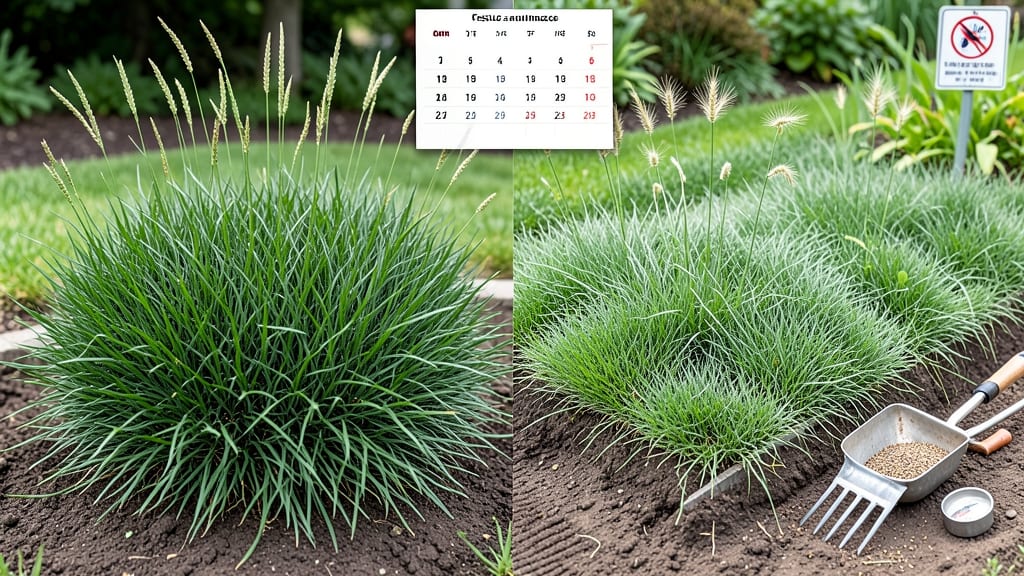
Kentucky’s ideal fall grass seed planting deadline by soil temperature (with exact dates)
Kentucky’s fall planting window is tight—typically between mid-August and mid-September—but the real deadline depends on soil temperature, not just calendar dates. Grass seed needs soil that stays above 50°F for germination and at least 55°F for root development.
In Kentucky’s USDA Zones 6a-7a, this usually means planting 4-6 weeks before the first frost, which typically hits around October 15.
Northern Kentucky (e.g., Lexington, Louisville) tends to have earlier frosts, while Southern Kentucky (e.g., Bowling Green, Paducah) can stretch the window slightly later. Always check your local USDA Plant Hardiness Zone for precision.
For 2024, historical data suggests September 15 is the safest cutoff for most regions, but soil temperature gauges are your best guide.
🌱
| Region | Soil Temp Threshold | Last Safe Planting Date | Key Risk |
|---|---|---|---|
| Northern KY (Zone 6a) | 50°F (10°C) | September 1-15 | Early frost |
| Central KY (Zone 6b-7a) | 52°F (11°C) | September 15-30 | Heat stress |
| Southern KY (Zone 7a) | 55°F (13°C) | October 1-10 | Fungal growth |
| All Regions | Below 50°F | Too late | Winter kill |
To check your soil temperature, use a soil thermometer (insert 2-4 inches deep) in the early morning. If temps dip below 50°F at night, germination slows dramatically.
For example, in Louisville (Zone 6b), soil temps often drop below 55°F by late September, making September 15 the practical deadline. In Bowling Green (Zone 7a), you might squeeze in planting until October 1.
Pro tip: If you’re planting in late September, choose cold-hardy grass varieties like Tall Fescue or Fine Fescue, which germinate faster in cooler soils. Pair this with a light mulch (straw or peat moss) to retain heat and moisture.
Avoid planting after October 15 unless you’re using winter overseeding techniques, which require special care.
🌡️
Kentucky’s fall rainfall patterns also play a role. The first two weeks after planting are critical—grass seed needs 1-1.5 inches of water weekly (including rain). If your area experiences drought in September (common in Western Kentuckydrip irrigation or soaker hoses.
Overwatering is just as risky—it can wash away seed or cause fungal diseases like Pythium.
For a foolproof timeline, mark your calendar for these key dates:
- Late August: Test soil pH (ideal: 6.0-7.0) and amend if needed.
- Early September: Purchase cold-tolerant seed and prepare your lawn (remove debris, loosen soil).
- Mid-September: Plant seed and apply starter fertilizer (high phosphorus for roots).
- Late September: Monitor soil temps and water deeply.
💧
If you miss the fall window, don’t despair—spring planting (March-April) is your next best option. However, spring seed often faces weed competition and requires pre-emergent herbicides for control. For now, focus on nailing your fall deadline by tracking soil temps and regional frost data.
With the right approach, you can still grow a thick, resilient lawn even when planting late.
☀️
5 Warning signs you’ve planted grass seed too late in Kentucky (and how to fix it)
Even with the best intentions, late fall planting can backfire if Kentucky’s weather turns against your new lawn. Slow germination is the first red flag—if sprouts take longer than 21 days to appear, your seeds may have been planted too close to frost. Cool soil temperatures (below 50°F) stunt root development, leaving seedlings vulnerable to winter kill.
Watch for fungal growth like gray mold or brown patches—this thrives in damp, chilly conditions after late planting. Weed competition also spikes when grass struggles to establish, as weeds germinate faster in warm soil left exposed too long. Stunted seedlings (less than 1 inch tall after 4 weeks) signal stress from late planting or poor soil contact.
🌱 Pro Tip: Test soil temps with a soil thermometer—if it’s below 55°F at 4-inch depth, germination will be sluggish. Use a seed starter fertilizer to jumpstart growth if you’ve already planted late.
Late Planting Warning Signs
- No sprouts after 21 days → Soil too cold or seeds too deep
- Fungal spots (gray, brown, or pink) → Excess moisture + cold
- Weeds dominating → Grass too weak to compete
- Seedlings <1" tall after 4 weeks → Nutrient stress
- Frost damage (brown, crispy blades) → Planted too late
If you spot these issues, don’t panic—recovery is possible.
For fungal problems, apply a copper fungicide and improve drainage. Thin seedlings can be rescued with a winter mulch (straw or leaves) to insulate roots. Weed competition requires pre-emergent herbicide in spring, followed by overseeding with fast-germinating varieties like Annual Ryegrass.
For stunted growth, switch to a high-nitrogen fertilizer (20-5-10) in spring to boost recovery. Frost-damaged lawns may need complete reseeding next spring—test soil pH (6.0–7.0) and amend with compost before replanting. Patience is key: Late-planted grass often catches up by late spring if given proper care.
💧 Action Step: If your lawn shows signs of late planting, water deeply 2x/week (1–1.5 inches) until soil warms in spring. Avoid walking on weak areas to prevent soil compaction. Spring overseeding can fill gaps if needed.