
Planting
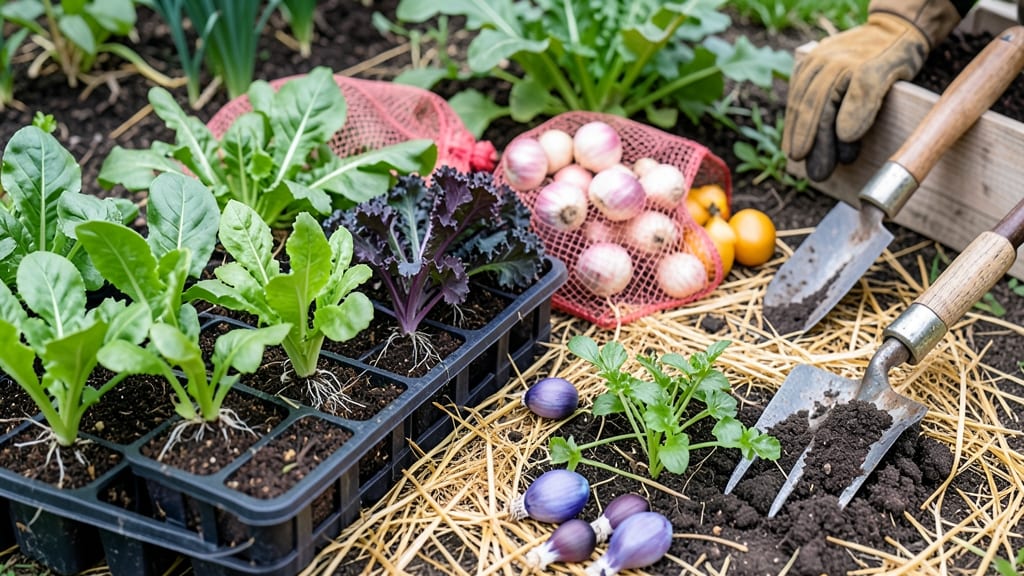
Knowing when to plant garden in East Tennessee isn’t just about grabbing seeds and digging in—it’s about beating frost dates, microclimates, and the 180-day growing window that separates success from disappointment. One wrong move, and your spring tomatoes could turn into a sad, frost-nipped memory instead of a juicy harvest.
Here’s the good news: with the right timing, you can grow everything from peppers to perennials in zones 6a-7a. The key? Planting after March 15 (when the last frost typically passes) or sticking to a fall schedule that ends before October’s first chill.
But it’s not just about dates—it’s about matching your crops to the mountain valleys vs. ridge tops that can shift frost risks by weeks.
I’ll break down the exact months for your favorite plants, plus pro tips to stretch your season without fancy (or expensive) gear. Whether you’re a first-time gardener or a veteran with five failed attempts behind you, this guide keeps your 🌱 General East Tennessee Garden thriving—no guesswork required.
Ready to turn your backyard into a food factory? Let’s get started with the zone-specific calendar that actually works for Tennessee’s quirky weather.
East Tennessee planting zones: frost dates and last-frost timelines by county
Understanding East Tennessee’s USDA zones (6a-7a) is the first step to planting success. The last frost date typically falls between March 15 and April 15, but this varies dramatically by county.
For example, Knoxville (Zone 7a) usually sees its last frost around March 25, while Asheville (Zone 6b) can linger until April 10. These differences mean your spring planting window could be 2-3 weeks earlier in lower elevations.
Mountain regions like Johnson City (Zone 6a) often experience earlier frosts due to higher elevations, while valley areas like Chattanooga (Zone 7b) enjoy longer growing seasons. Always check local frost data from UT Extension or your county agricultural office for the most accurate timelines each year.
A late frost can devastate tender seedlings like tomatoes or peppers planted too early.
For cool-season crops (spinach, kale, lettuce), you can start seeds indoors 8-10 weeks before your last frost date to ensure they’re ready for transplanting.
In East Tennessee, this means mid-January to early February for most areas. Warm-season crops (beans, cucumbers, squash) should wait until 2 weeks after your last frost to avoid frost damage.
Here’s how microclimates affect your garden: A south-facing slope warms up faster than a north-facing area, potentially allowing you to plant 1-2 weeks earlier in those spots. Low-lying areas may experience later frosts due to cold air settling, while higher elevations can have earlier springs but shorter growing seasons.
| County | USDA Zone | Avg. Last Frost | Avg. First Frost | Spring Planting Window |
|---|---|---|---|---|
| Knoxville | 7a | March 25 | October 10 | April 10 - May 15 |
| Asheville | 6b | April 10 | October 5 | April 25 - May 20 |
| Chattanooga | 7b | March 15 | October 15 | March 30 - May 10 |
| Bristol | 6a | April 5 | October 8 | April 20 - May 15 |
| Johnson City | 6a | April 1 | October 6 | April 15 - May 10 |
*Dates are averages; check local sources for yearly updates.
If you’re planting perennials or shrubs, timing matters less, but late spring (April-May) is ideal for most. These plants establish roots before summer heat arrives.
For annual flowers, follow the same rules as vegetables: cool-season flowers (pansies, snapdragons) can handle early planting, while warm-season flowers (marigolds, zinnias) need to wait until after your last frost.
Pro tip: Use frost cloth or row covers to extend your planting window by 2-4 weeks in early spring or late fall. This is especially useful in Zone 6a areas where frosts are more frequent.
For example, you can plant cold-hardy greens like spinach as early as February with protection, giving you an earlier harvest.
Always monitor weather forecasts in the weeks leading up to your planting date. A sudden cold snap can push your last frost date back by weeks. UT Extension’s frost prediction maps are a gardener’s best friend for real-time updates.
Don’t let a few degrees of difference ruin your gardening plans—plan ahead and adjust as needed!
For fall planting, aim to sow seeds 8-10 weeks before your first frost (typically late July to early August). This gives cool-season crops like broccoli and carrots enough time to mature before winter sets in.
In Zone 7a areas, you might even squeeze in a second planting of garlic or onions in late fall for an early spring harvest.
Best vegetables to plant in East Tennessee by season (with exact months)
East Tennessee’s short growing season demands precision when choosing what to plant and when. Cool-season crops like lettuce and peas thrive in early spring, while warm-season favorites like tomatoes and peppers need to wait until after the last frost. Missing these windows means stunted growth or total crop failure.
Here’s my exact month-by-month planting guide for the top 12 East Tennessee-friendly vegetables, including succession planting tips to keep your harvests rolling all season long.
🌱 East Tennessee Planting Calendar by Crop
Plant: Feb-Mar, Aug-Sept
Plant: Apr-May, July-Aug
Every 2-3 weeks
Feb-Mar, Aug-Sept
Apr-May, July-Aug
Every 2 weeks
Apr-May
May-June, July-Aug
Feb-Mar, Aug-Sept
May-June
Feb-Mar, Aug-Sept
May-June
Feb-Mar, Aug-Sept
May-June
Feb-Mar
Feb-Mar, Aug-Sept
For cool-season crops, start seeds indoors in late winter or sow directly in early spring. Lettuce, spinach, and peas can handle light frosts, but avoid planting after April 15—they’ll bolt in Tennessee’s heat. Succession planting every 2-3 weeks keeps your table stocked with fresh greens like radishes and carrots.
Warm-season crops like tomatoes and peppers need soil temperatures above 60°F to thrive. Wait until after May 1 in most of East Tennessee, or use black plastic mulch to warm the soil faster. Green beans and cucumbers are more forgiving and can handle a slight late spring chill.
Don’t forget about fall planting! Many crops like kale, carrots, and onions can be sown in late summer for a harvest before the first frost (usually around October 15). This strategy gives you a second chance at fresh produce when summer crops fade.
Pro Tip: Use row covers to protect tender seedlings from late frosts, even if you plant early. A few extra dollars now can mean the difference between a thriving garden and a sad, wilted disappointment.
🌱