
Planting
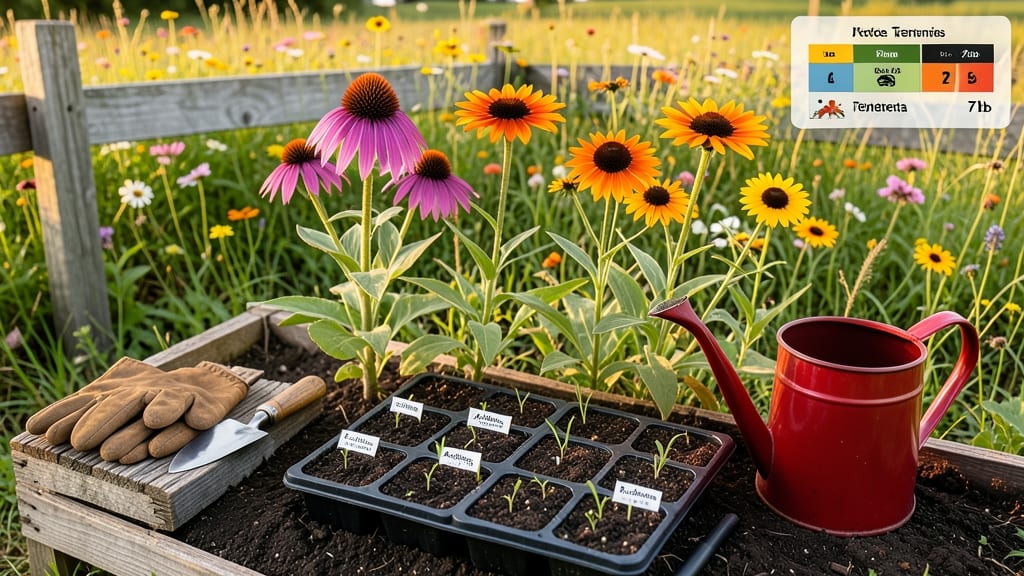
If you're asking "when is the best time to plant a garden in Tennessee", timing isn't just a suggestion—it's the difference between a bumper crop and a sad, wilted disappointment.
Tennessee's climate shifts dramatically from its mountainous east to its flat western plains, meaning what works in Nashville might fail in Chattanooga or Memphis if you're not careful.
I've spent years watching gardens thrive (and sometimes struggle) across the state, and the key is understanding your specific zone and frost dates. Whether you're dreaming of crisp spring lettuce or juicy summer tomatoes, planting too early risks frost damage, while waiting too long means missing the ideal growing window.
Let me show you exactly when to put those seeds in the ground for maximum success.
We'll break down the best months by region—East Tennessee's cooler springs, Middle Tennessee's moderate climate, and West Tennessee's longer growing season—so you can plan with confidence. Plus, I'll share my top tips for extending your season, whether you're dealing with late frosts or early heat waves.
Ready to grow a garden that actually produces?
By the end, you'll know not just when to plant, but how to give your garden the best shot at success. No more guessing games—just a clear, actionable plan tailored to Tennessee's unique growing conditions. Let's get those seeds in the soil at the perfect time!
Tennessee planting calendar by zone: exact months for frost-free success
Tennessee spans four USDA hardiness zones (5a-7b), creating wildly different planting windows. In East Tennessee's cooler mountains (zones 5a-6a), you’ll plant 4-6 weeks earlier than in West Tennessee's hotter plains (zones 7a-7b).
The key? Timing crops to avoid last frost dates—which range from March 15 in Memphis to April 30 in Knoxville.
For cool-season crops like lettuce or peas, start seeds indoors by February in East TN and March in West TN.
Transplant outdoors 2-3 weeks after your last frost. Warm-season crops (tomatoes, peppers) must wait until soil hits 60°F—typically mid-April in East TN and late April in West TN.
Here’s your zone-specific planting timeline to maximize yields and avoid frost damage:
| Region/Zone | Last Frost Date | Cool-Season Planting | Warm-Season Planting |
|---|---|---|---|
| East TN (5a-6a) | March 15-April 15 | Feb (indoors), April 1 (outdoors) | April 15-May 1 |
| Middle TN (6a-6b) | March 25-April 10 | Feb-March (indoors), April 10 (outdoors) | April 10-May 10 |
| West TN (7a-7b) | March 30-April 20 | March (indoors), April 15 (outdoors) | April 20-May 15 |
*Adjust for microclimates (e.g., valleys frost later than ridges)
Pro tip: Use marigolds or radishes as frost indicators. Plant them 2 weeks before your target date—they’ll bolt (flower) if frost is coming. For herbs like basil, wait until after May 15 to avoid heat stress in West TN’s zones 7a-7b.
In East Tennessee’s higher elevations (zones 5a-6a), prioritize cold-hardy crops like kale, spinach, and broccoli. These thrive in 45-55°F soil and can handle light frosts. Meanwhile, West Tennessee’s longer growing season lets you squeeze in two tomato harvests—one in spring and one in fall.
For flowers like zinnias, direct-sow seeds after May 1 in all zones. They’re heat-tolerant and bloom until first frost (typically October 15-November 1). Perennials like lavender should go in early spring or fall to establish roots before winter.
Don’t forget successional planting! In Middle TN (zone 6b), replant lettuce every 2 weeks from April to September for continuous harvests. This works especially well for fast-growing crops like bush beans (50-60 days to maturity).
If you’re in zone 7b (Memphis/Nashville), you can even try fall planting for broccoli or carrots in August-September. These crops prefer cooler temps and mature before first frost. Just water deeply to prevent bolting.
For tree fruits like peaches, plant bare-root trees in late winter (February-March) while they’re dormant. This gives roots time to establish before spring bud break. Berry bushes (raspberries, blackberries) also thrive when planted in early spring.
Always check your local coop extension office for hyper-local frost dates. A 5-mile elevation change can shift frost dates by 1-2 weeks—critical for tender crops like eggplants. Happy planting! 🌱
Top 5 crops to plant now (and 3 to wait for) by Tennessee region
Tennessee’s three distinct regions—East, Middle, and West—each offer unique microclimates that influence planting success. In East Tennessee’s cooler Appalachian zone (5a-6a), you can start cool-season crops like kale and cabbage as early as late February.
Meanwhile, West Tennessee’s warmer Delta region (7a-7b) lets you plant warm-season crops like okra and sweet potatoes by mid-March.
For Middle Tennessee’s transition zone (6b-7a), aim for late March to early April to avoid late frosts. This is also the perfect time to prep your soil for tomatoes and peppers, which thrive in the region’s warmer spring soil.
Whether you’re in Nashville, Chattanooga, or Memphis, timing is everything to beat Tennessee’s unpredictable spring weather swings.
🌱
- Kale – Hardy and frost-tolerant (plant by March 1)
- Cabbage – Thrives in cool soil (start indoors now)
- Spinach – Fast-growing for early harvests
- Peas – Fixes nitrogen in poor soil
- Lettuce – Cut-and-come-again for continuous harvests
- Tomatoes – Wait until after last frost (usually April 15)
- Peppers – Needs warm soil (plant after April 1)
- Green Beans – Direct-sow when soil is 60°F+
- Cucumbers – Heat-loving for summer harvests
- Basil – Frost-sensitive (plant after May 1)
- Sweet Potatoes – Plant slips in March for summer harvest
- Okra – Thrives in hot, humid summers
- Southern Peas – Drought-tolerant for long harvests
- Watermelon – Needs long, hot season (plant after April 15)
- Collard Greens – Heat-tolerant for fall/winter harvests
Now, let’s talk about the three crops to wait for—planting these too early in Tennessee’s unpredictable spring can spell disaster. Basil, cucumbers, and eggplants all need consistent warmth and will bolt or rot if exposed to late frosts.
Hold off until after May 15 in most regions, or use row covers to protect young plants.
If you’re in East Tennessee’s Zone 5a, even tomatoes and peppers should wait until mid-April to avoid soil temperatures below 55°F. Use a soil thermometer to check—if it’s below 60°F, delay planting. Patience now means bigger yields later, especially for heat-loving crops.
🌿
Pro tip: Successional planting is your secret weapon in Tennessee. For example, sow bush beans every 2 weeks from April to June to ensure a continuous harvest before the summer heat peaks. This works for lettuce, radishes, and carrots too—just adjust timing based on your last frost date.