
Plants
Planting sweet potatoes in Texas isn’t just about timing—it’s about beating the heat and frost risks that can turn your crop into a bust. With 90+ days of warm soil ahead, you’ve got a narrow window to get them in the ground right, whether you’re in North or South Texas.
The ideal window for most gardeners is between March and May, when soil temperatures hit 65°F—but that’s just the start. Heat-resistant varieties like Beauregard and Centennial can stretch your season, while black plastic mulch tricks the soil into warming faster for early starts.
Here’s the secret: Regional differences matter. North Texas gardeners should wait until after April 15 to dodge late frosts, while South Texas growers can plant as early as February—but watch for summer’s brutal heat stressing young plants.
Ready to grow bigger, sweeter sweet potatoes? I’ll walk you through the exact months, soil prep tricks, and heat-proof varieties that thrive in Texas’ 8a-10b zones—no guesswork, just guaranteed harvests.
Best planting months for sweet potatoes in Texas (avoiding frost and heat stress)
Texas gardeners know sweet potatoes love heat—but timing is everything to avoid frost damage or heat stress. The key is planting when soil temperatures hit 65°F+, which varies by region.
North Texas waits until late April, while South Texas can start as early as mid-March. The goal? A 100-150 day growing season before the first frost hits.
Sweet potatoes are warm-season crops, meaning they despise cold soil. Planting too early in cool conditions leads to rotten slips and poor root development. Conversely, planting too late risks incomplete maturity before fall frosts.
Texas’ diverse climate means your USDA zone dictates the perfect window—let’s break it down by region.
🌱 Regional Planting Windows (Avoid Frost & Heat Stress)
For North Texas gardeners, aim to plant after April 15 to ensure soil stays warm enough. Use a soil thermometer—if temps dip below 60°F, wait another week.
In South Texas, you can stretch plantings into early June for a fall harvest, but avoid planting after July 1 to prevent heat stress during root development.
Texas’ extended growing season also allows for fall plantings in warmer zones. Try planting slips in September for a winter harvest—just cover with row fabric if early frosts threaten.
The key is soil temperature, not air temperature. Even if daytime highs are warm, nighttime lows can drop soil temps dangerously.
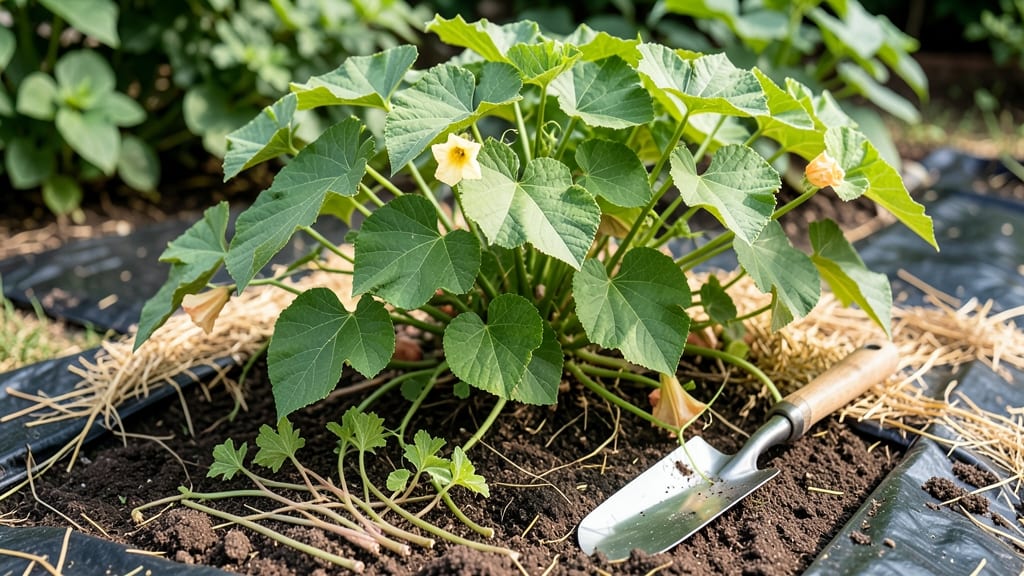
Pro tip: Black plastic mulch raises soil temps by 10-15°F, letting you plant 2-3 weeks earlier in spring or later in fall. Lay it down 2-3 weeks before planting to warm the soil naturally.
Pair this with drip irrigation to maintain moisture without overwatering—soggy soil leads to rotten roots.
Watch for false starts in March. A 50°F day might feel spring-like, but soil temps lag behind air temps. Stick your finger 6 inches deep—if it feels cool, wait. For container growing, use black pots or line containers with black plastic to mimic warmed soil conditions.
**🌡️ Soil Temperature
Best planting months for sweet potatoes in Texas (avoiding frost and heat stress)
Texas gardeners know sweet potatoes love heat—but timing is everything. Plant too early, and cool soils stunt growth. Too late, and you risk heat stress or shortened harvest windows. The ideal window balances warm soil (65°F+) and frost-free conditions, which vary dramatically across Texas' regions.
For North Texas (USDA Zones 7b-8a), aim for late April to early May after the last frost (typically mid-April). In Central Texas (Zones 8a-8b), you can start as early as mid-March, while South Texas (Zones 9a-10b) offers flexibility from February to May—just avoid peak summer heat.
Here’s how to pinpoint your perfect window using soil temperature and regional frost dates. The comparison below breaks it down by zone, so you can avoid common mistakes like planting when soils are still chilly or skipping the best growth window.
Pro tip: Use a soil thermometer to confirm warmth before planting. Sweet potato slips (young plants) need consistent heat to root properly—cool soils delay growth and invite disease risks. If your soil is still cool, try black plastic mulch or a cold frame to jumpstart the season.
For extended harvests, consider a second planting in late summer (August–September) in South and Central Texas. This lets you harvest into fall and winter before the first frost. Just space plants 12–18 inches apart to avoid crowding as vines spread.
Remember: Sweet potatoes are heat-loving, but intense summer heat (above 95°F) can stress plants. Provide afternoon shade in peak summer if needed, and always water deeply but infrequently to encourage root development.