
Plants
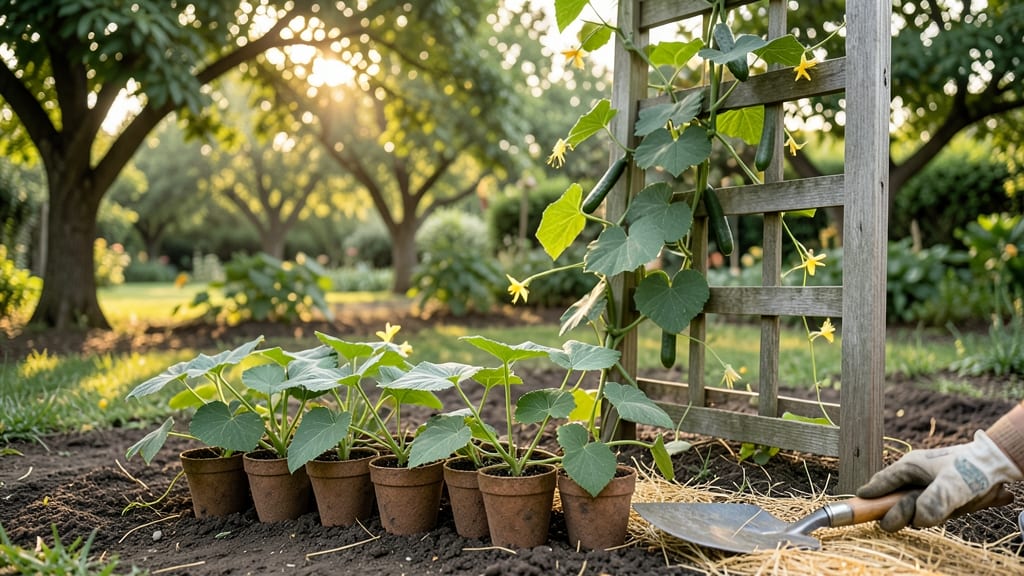
Timing your 🥒 cucumber planting in South Texas can make or break your harvest—get it wrong, and those 100°F summers will turn your plants into crispy snacks before they even fruit.
The key isn't just when to plant, but which heat-resistant varieties thrive in this brutal climate while avoiding both frost and scorching.
Most gardeners assume spring is the only window, but South Texas actually offers two prime planting seasons: early spring (February-March) when soil warms up, and late summer (July-August) to beat the worst heat.
I’ll break down the exact dates for your region—whether you’re in Houston, San Antonio, or the Rio Grande Valley—plus the varieties that won’t wilt under Texas sun.
You’ll also discover how to prep your soil for maximum heat tolerance, spacing tricks to prevent disease, and irrigation hacks that keep your vines hydrated without drowning them. Trust me, these strategies have helped me grow cucumbers year-round in Zone 9a-10a—no greenhouse required.
Ready to skip the trial-and-error? Let’s dive into the exact schedule, top-performing varieties, and pro tips that’ll have you harvesting crisp cucumbers from April through October—no matter how hot it gets.
Best planting dates for cucumbers in South Texas: avoiding summer scorching
South Texas’ 95°F+ summers and freezing winter nights create a narrow window for growing cucumbers successfully. The key is planting when soil temperatures stay above 60°F—cold soil slows germination, while scorching heat can kill seedlings before they sprout.
Based on USDA Zones 9a-10a, your two best planting windows are early spring (February-March) and late summer (July-August).
For spring plantings, aim for mid-February to early March in the Rio Grande Valley (Zone 10a), where frost is rare. In San Antonio (Zone 9a) and Houston (Zone 8b-9a), wait until late February to mid-March to avoid late frosts.
The last average frost date for these areas is January 15, but temperatures can dip below freezing into early February—always have row covers ready.
Summer plantings require heat-tolerant varieties and shade protection to prevent bolting (premature flowering). Start seeds indoors in late June and transplant outdoors by mid-July when soil temperatures peak. This second window extends your harvest into September-October, just before winter rains arrive.
🌱 South Texas Cucumber Planting Timeline
| Region | Spring Planting Window | Summer Planting Window | Harvest Window |
|---|---|---|---|
| Rio Grande Valley (Zone 10a) | Mid-Feb to Early Mar | Late June to Mid-July | Apr-May & Sep-Oct |
| San Antonio (Zone 9a) | Late Feb to Early Mar | Early July | Apr-May & Sep-Oct |
| Houston (Zone 8b-9a) | Late Feb to Mid-Mar | Mid-July | Apr-May & Sep-Oct |
⚠️ Note: Adjust dates 1-2 weeks earlier if using row covers or black plastic mulch to warm soil faster.
If you’re starting seeds indoors, begin 4-6 weeks before transplanting (so mid-January for spring and mid-June for summer). Use biodegradable pots to avoid root disturbance when moving seedlings outdoors.
Harden off plants for 7-10 days by gradually exposing them to outdoor conditions during the day and bringing them in at night.
Soil temperature is more critical than air temperature for cucumbers. Use a soil thermometer to confirm readings—ideal germination occurs at 70-90°F. If your soil runs cooler, try black plastic mulch or clear plastic tunnels to raise temperatures by 5-10°F.
This is especially useful in elevated areas like the Hill Country, where nights can still dip into the 40s°F in early spring.
For direct-sowing (skipping the seedling stage), wait until soil temperatures consistently stay above 60°F—usually mid-March for spring and early July for summer. Plant seeds 1 inch deep, 2-3 inches apart, and thin to 12 inches apart for vining types or 6 inches apart for bush varieties.
Thin seedlings carefully with scissors to avoid disturbing roots.
One common mistake in South Texas is planting too late in spring, only to see cucumbers bolt and flower prematurely as temperatures climb above 85°F.
To prevent this, choose parthenocarpic varieties (like 'Diva' or 'Sweet Success') that don’t rely on pollinators, or hand-pollinate flowers using a small paintbrush if you’re growing traditional types.
Finally, always monitor your local Texas A&M AgriLife Extension alerts for cucumber beetle outbreaks, which thrive in South Texas heat. These pests can transmit bacterial wilt, a fatal disease.
Rotate planting locations yearly and use row covers for the first 2-3 weeks after transplanting to give seedlings a fighting chance.
Top 5 heat-resistant cucumber varieties for South Texas gardens
South Texas summers can push temperatures past 100°F, but the right cucumber varieties thrive in this heat. Look for heat-tolerant and disease-resistant types that won’t wilt under relentless sun.
These five varieties are my top picks for Lone Star State gardens, chosen for their ability to produce even when the mercury soars.
First up is the Straight Eight cucumber, a classic for Texas gardens. This variety handles 95°F+ temperatures with ease and delivers crisp, 8-inch-long cucumbers perfect for slicing. It’s also resistant to common Texas pests like cucumber beetles, making it a low-maintenance choice.
Next, the Lemon Cucumber brings a zesty twist to your garden. These yellow, lime-sized cucumbers are heat-loving and packed with flavor. They’re ideal for salads and garnishes, and their compact vines make them great for container gardening in urban areas.
Heat Tolerance Ratings
The Armenian Cucumber is another standout, producing long, slender fruits that stay crisp even in the hottest months. These cucumbers are disease-resistant and perfect for snacking straight off the vine.
Their vines spread wide, so give them plenty of space or train them up a trellis to save garden real estate.
For a high-yielding option, try Marketmore 76. This variety is a Texas A&M AgriLife Extension favorite because it produces abundant, blocky cucumbers that resist cracking in heat waves. It’s also great for pickling, making it a versatile addition to any garden.
Finally, Sweet Success cucumbers are a disease-resistant powerhouse with a sweet, mild flavor. They handle heat exceptionally well and produce consistent yields throughout the summer. These are my go-to for long, productive harvests with minimal fuss.
When selecting seeds, always check the heat tolerance ratings and choose varieties labeled for hot climates. Pair these with proper shade cloth and mulching to maximize your success in South Texas’s brutal summers. 🥒