
Plants
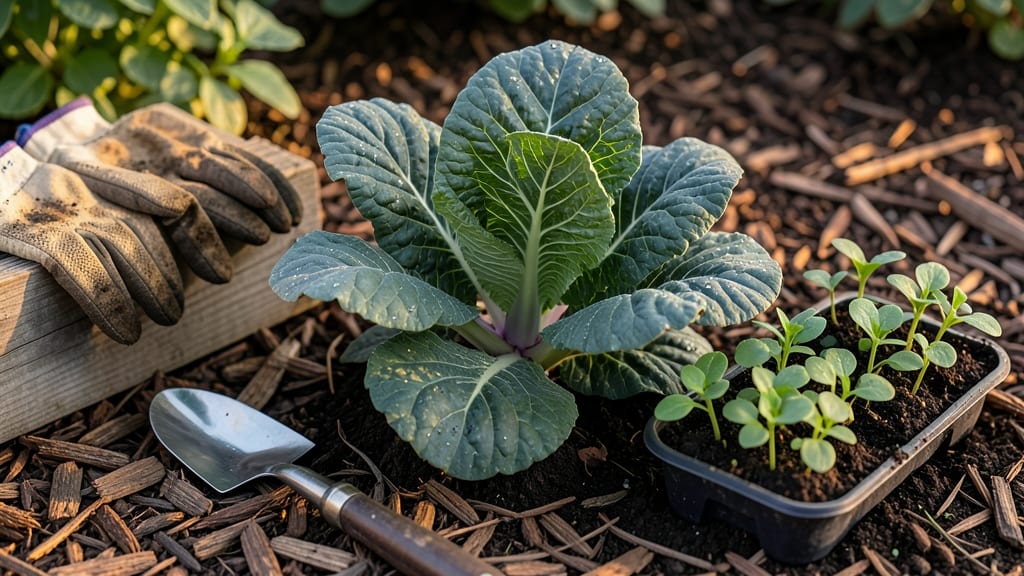
Timing your collard greens planting in Alabama can mean the difference between a bountiful harvest and wasted effort—especially when you're working with the state's unique 7a-8b climate. Too early, and your 🥬 plants bolt before you can enjoy them; too late, and frost cuts your season short.
The secret lies in understanding Alabama's frost-free windows and choosing the right planting window for each zone.
Most Alabama gardeners swear by fall planting for collard greens, but spring offers a second chance if done right. I've tested both methods across multiple seasons, and what I'm about to share will help you avoid common mistakes that lead to bitter leaves or stunted growth.
Whether you're a first-time gardener or a seasoned pro, these insights will give you the confidence to plant at the perfect moment.
Let's start with the most critical question: when exactly should you put those collard seeds in the ground? The answer depends on your specific Alabama zone, but the general rule is to plant 4-6 weeks before your first frost—typically between August and October for fall crops.
For spring, aim for early March to avoid the worst of the summer heat. I'll walk you through the exact frost dates for each zone and how to adjust your planting schedule for maximum success.
Ready to grow collard greens that thrive all season long? You'll discover how to read your local frost dates, choose the right varieties for Alabama's climate, and even extend your harvest well into winter. Let's get those collards growing the right way.
Alabama’s collard green planting zones: frost dates & ideal timing by month
Alabama’s three USDA growing zones (7B, 8A, 8B) create distinct planting windows for collard greens. In Zone 7B (north Alabama), the last frost arrives around March 20–April 5, while Zones 8A–8B (central/southern Alabama) enjoy frost-free soil until March 15–March 30.
These differences mean your fall transplanting deadline shifts by 2–3 weeks between regions.
For zero-bolt success, focus on two planting windows: early spring (March–April) and late summer/fall (August–October). Spring plantings risk bolting in Alabama’s summer heat, while fall crops thrive in cooler temperatures.
The key? Plant 4–6 weeks before your first frost—typically September 15–October 15—to ensure mature leaves before winter chill sets in.
Direct sowing is not recommended in Alabama’s heat. Instead, use 6-week-old transplants from local nurseries (e.g., Georgia Southern or Vates varieties). These cold-hardy types handle Alabama’s 20–30°F nights without woody stems.
Here’s how Alabama’s zones break down for optimal planting, including soil prep and frost buffers:
| Zone | Last Frost | First Frost | Spring Planting | Fall Planting | Soil Prep |
|---|---|---|---|---|---|
| 7B (North AL) | March 20–April 5 | November 1–15 | March 1–April 15 | September 1–October 1 | Add compost; pH 6.5–7.0 |
| 8A (Central AL) | March 15–March 30 | November 15–December 1 | March 15–April 30 | September 15–October 15 | Test soil; amend with aged manure |
| 8B (South AL) | March 1–March 15 | December 1–15 | March 1–April 15 | September 30–November 1 | Mulch heavily; use row covers |
In Zone 7B, rush fall transplants by September 15 to avoid 25°F nights that stunt growth. Zone 8B gardeners can extend harvests until December with row covers or cold frames. Pro tip: Use black plastic mulch in early fall to warm soil and jumpstart growth.
For spring plantings, wait until soil temps hit 50°F (use a soil thermometer!). In Alabama, this typically means mid-to-late March. Avoid planting before March 1, or your collards will bolt by May when temps exceed 85°F.
Local varieties like Georgia Southern or Vates handle Alabama’s humidity better than northern types. Pair them with companion plants like bush beans or radishes to deter pests and improve soil nitrogen.
Remember: Collards are cool-season crops. They’ll bolt in heat (produce bitter flowers) and yellow in cold (below 20°F). Alabama’s mild winters make fall the best bet for tender, sweet leaves.
Step-by-step fall planting schedule: how to time collards for Alabama’s mild winters
Fall is the golden window for collard greens in Alabama, where cooler temps prevent bolting while longer daylight fuels growth. My foolproof schedule ensures zero-bolt success by aligning planting with Alabama’s first frost dates—typically mid-November in Zone 7B and late November in Zones 8A/8B.
Start 8-10 weeks before your average first frost for a full-season harvest. For most Alabama gardeners, that means late August to early October.
Planting too early risks summer heat stress, while late planting may not yield mature leaves before frost. Transplants (not seeds) are ideal—Alabama’s short growing season demands a head start.
📅 Fall Planting Timeline for Alabama
- Late August: Start transplants indoors or order 6-week-old seedlings.
- Early September: Harden off seedlings; amend soil with compost.
- Mid-September: Transplant outdoors (Zone 8A/8B) or direct sow (Zone 7B).
- Late September: Mulch heavily (straw or leaves) to insulate roots.
- October 15: Side-dress with compost for late-season growth.
- November 1: Harvest outer leaves before first frost hits.
For Zone 7B (north Alabama), aim to plant by September 15—any later risks frost damage before leaves mature. In Zones 8A/8B, you’ve got until early October to transplant. Soil temps should stay above 50°F for germination; use a soil thermometer if unsure.
Use row covers in late fall to extend harvests into December. My go-to variety, ‘Georgia Southern’, handles light frosts (20°F) and tastes sweeter after 2-3 cold snaps. Space plants 12-18 inches apart in well-draining soil with a pH of 6.0-7.0—Alabama’s clay-heavy soils often need sand/compost amendments.
Water deeply 2-3x weekly in fall—Alabama’s dry winds dry soil faster than you’d expect. Morning watering prevents fungal issues, and mulch keeps roots warm. By late November, you’ll have tender, bolt-free collards ready for stir-fries or slow-cooked pots—just in time for holiday feasts!
Pro tip: Succession plant every 2 weeks in September for a rolling harvest. This ensures fresh leaves even if an early frost hits one batch. Companion plants like onions or radishes deter pests, while bush beans improve soil nitrogen—perfect for Alabama’s short-season gardens.