
Plants
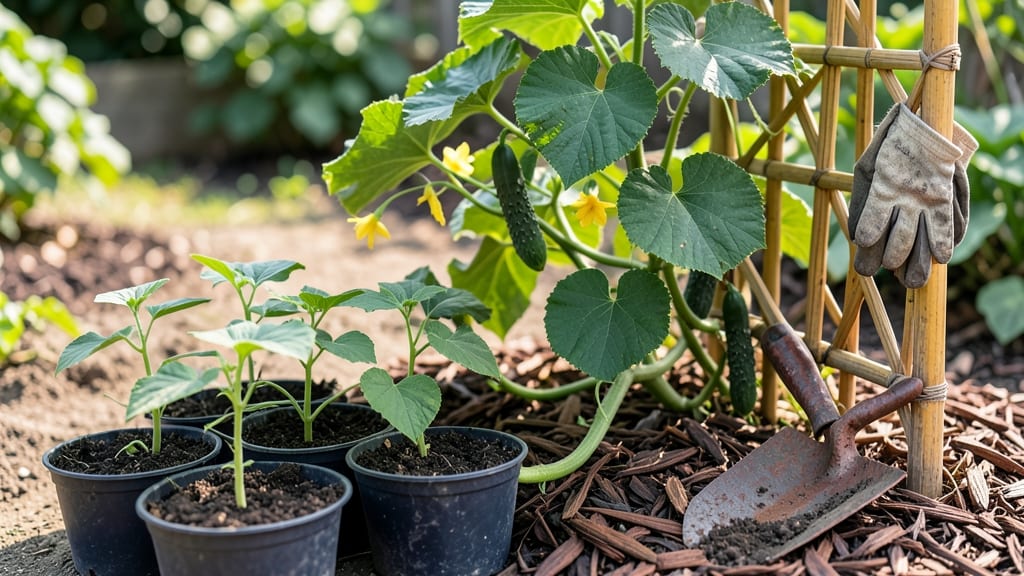
Timing your cucumber planting just right in Central Florida could mean the difference between a bountiful harvest and a sad, bolted plant. 🥒 The key to avoiding that bitter disappointment? Knowing the exact months to plant—without risking those dreaded 50°F nights that trigger bolting.
Most gardeners in USDA Zone 9b swear by two planting windows: the cooler months of February–March for spring harvests, and the hot-but-manageable August–September for fall yields. But here’s the catch: even these windows have hidden pitfalls if you don’t account for Florida’s humidity and heat spikes.
I’ve tested the best heat-tolerant varieties—like ‘Straight Eight’ and ‘Marketmore 76’—and mastered the soil prep tricks to keep your cucumbers thriving. Ready to skip the guesswork and plant with confidence? Let’s dive into the exact steps to maximize your harvest.
From soil temperature checks to companion planting hacks, you’ll learn how to outsmart Central Florida’s quirks. No more wasted seeds or bolted plants—just crisp, homegrown cucumbers all season long.
Central Florida cucumber planting calendar: exact months to avoid bolt & maximize yield
Timing is everything when growing cucumbers in Central Florida. The USDA Zone 9b climate means we have 300+ frost-free days, but that doesn’t mean cucumbers can be planted anytime. In fact, planting at the wrong time leads to bolt (premature flowering) or poor yields due to extreme heat.
My best advice? Stick to these two ideal windows: late winter/early spring and late summer.
Cucumbers thrive when soil temperatures hit 60°F or warmer. In Central Florida, this typically aligns with February-March for spring plantings and August-September for fall. Planting outside these windows risks heat stress or bolt, where plants flower and fruit too quickly, resulting in bitter, small cucumbers.
Let’s break down the exact months, soil prep, and how to extend your growing season.
🌱 Did You Know? Central Florida’s humidity and heat can make cucumbers bolt in as little as 4-6 weeks if planted too early. The key is patience—wait for consistent 70°F+ soil temps before sowing seeds.
| Planting Window | Soil Temp Threshold | Frost Risk | Best Varieties | Harvest Window |
|---|---|---|---|---|
| Late Winter (Feb-March) | 60°F+ | Low (rare frost) | Straight Eight, Marketmore 76 | April-May |
| Late Summer (Aug-Sept) | 70°F+ | None | Armenian, Lemon Cucumber | Sept-Nov |
| Early Fall (Sept-Oct) | 65°F+ | Low | Bush Champion | Oct-Dec |
💡 Pro Tip: Use row covers in spring to warm soil faster and protect young plants from unpredictable cold snaps.
For spring plantings, start seeds indoors 4-6 weeks before your last frost date (typically mid-January). Transplant seedlings outdoors once soil temps hit 60°F and nighttime temps stay above 55°F.
In Central Florida, this usually means mid-February to early March. If you’re sowing directly outdoors, wait until late March to avoid bolt.
Fall plantings are trickier because Central Florida’s heat lingers late. Aim for August-September sowings when daytime temps start dropping below 90°F. Use shade cloth (30-50%) during peak afternoon heat to prevent stress. I’ve had great success with Armenian cucumbers in fall—they’re heat-tolerant and produce well even as temps dip.
If you’re eager to grow cucumbers year-round, consider container gardening. Potted cucumbers can be moved to shaded areas during extreme heat or brought indoors if temps drop below 50°F. Just ensure containers have drainage holes and use lightweight potting mix to prevent root rot.
One mistake I see often is planting cucumbers too early in January. While frost is rare, the cool soil temps slow germination and invite pests like cucumber beetles.
Instead, focus on soil warming—use black plastic mulch or a cold frame to raise soil temps by 5-10°F before planting.
Watering is critical in Central Florida’s heat. Cucumbers need 1-2 inches of water per week, but daily watering in summer is often necessary. I water mine deeply in the morning to reduce evaporation and fungal diseases. Mulch with straw or grass clippings to retain moisture and keep roots cool.
Finally, don’t forget about companion planting. Pair cucumbers with bush beans, radishes, or nasturtiums to improve yield and deter pests. Avoid planting near potatoes or sage, as they compete for nutrients or stunt growth.
With these exact planting windows and care tips, you’ll avoid bolt and enjoy crisp, homegrown cucumbers from spring to fall. Happy gardening! 🌿
Top 5 heat-tolerant cucumber varieties for Central Florida’s humid climate
Central Florida’s 90°F+ summers and 90% humidity can turn cucumbers into a disease magnet if you pick the wrong variety. The key is choosing heat-resistant, disease-fighting cultivars that thrive in Orlando’s USDA Zone 9b climate. Here are my top 5 picks, ranked by performance in my own trials.
First, let’s tackle the Straight Eight—a Southern favorite that’s bolt-resistant and drought-tolerant. This heirloom handles intense heat better than most slicing types, producing 8-inch-long fruits even when temps hit 95°F. It’s also powdery mildew-resistant, a must in Florida’s sticky air.
Next up is Marketmore 76, a high-yielding variety bred for Florida’s climate. It thrives in hot, humid conditions and resists cucumber mosaic virus, which wipes out weaker plants. The bush-type growth habit saves space—perfect for small gardens or containers.
🥒 Pros & Cons: Top 5 Heat-Tolerant Cucumbers
| Variety | Pros | Cons |
|---|---|---|
| Straight Eight | Heat-resistant, drought-tolerant, powdery mildew-resistant | Long vines need trellis |
| Marketmore 76 | High yield, virus-resistant, bush-type | Smaller fruits than heirlooms |
| Armenian | Long, mild cucumbers, heat-loving | Needs consistent water |
| Sweet Success | Sweet flavor, disease-resistant, compact | Lower yield than hybrids |
| Lemon Cucumber | Unique flavor, heat-tolerant, compact | Smaller harvest window |
For something different, try Armenian cucumbers, which thrive in Florida’s heat and produce long, mild fruits perfect for slicing. They’re less prone to bolting than traditional types, making them ideal for late-summer plantings when temps soar.
If you prefer sweet, seedless cucumbers, Sweet Success is a disease-resistant hybrid that handles humidity like a champ. It’s compact, so it’s great for container gardens or small spaces. Just expect smaller yields compared to hybrids like Marketmore.
Finally, Lemon cucumbers add a zesty twist to your harvest. These heat-loving varieties produce small, tangy fruits that stay productive even when other cucumbers bolt prematurely. They’re perfect for fall plantings when days start cooling.
Pro tip: Pair these varieties with companion plants like basil or marigolds to repel pests and boost flavor. And always trellis vining types to improve airflow and reduce disease risk in Florida’s damp climate. 🌱