
Planting
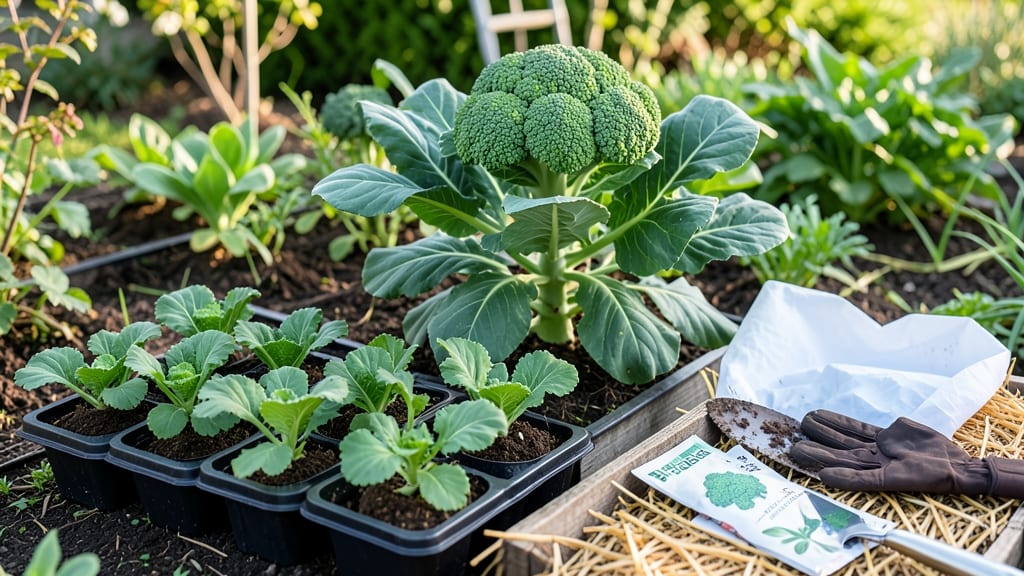
Timing when to plant a winter garden in Florida could mean the difference between a thriving 🥬 harvest and wasted effort—because unlike northern states, Florida’s mild winters demand a different approach.
Plant too early, and you’ll battle humidity-related diseases; too late, and you miss the sweet spot for cool-season crops like kale and carrots.
I’ve grown winter gardens across Florida’s 9a-11 zones, and the key is understanding your microclimate—coastal areas like Miami can start planting as early as late August, while inland Orlando should wait until mid-September.
The goal? Beat the occasional light frost in North Florida while giving plants enough time to establish roots before temperatures dip.
What you’re about to discover isn’t just about dates—it’s about strategies to extend your growing season, whether through row covers, soil prep, or choosing the right crops for your region. Let’s break down the exact windows, crops, and pro tips to turn your Florida winter garden into a year-round success.
Ready to skip the guesswork? I’ll show you how to align your planting schedule with Florida’s unique rhythm—so you’re harvesting crisp greens and sweet roots from December through April, not struggling with bolted lettuce or stunted growth. Here’s how to do it right.
Optimal planting dates for Florida winter gardens by region
Florida’s winter garden success hinges on understanding your microclimate. Coastal areas like Miami and Tampa enjoy frost-free winters, while inland zones (e.g., Orlando and Gainesville) may experience light frost.
Planting too early in North Florida risks cold damage, while coastal gardeners can start later. Let’s break down the ideal planting windows for each region.
For coastal Florida (zones 10a-11), your growing season stretches nearly year-round. Leafy greens like spinach and kale thrive when planted from September through November, with harvests lasting until April or May.
Root vegetables such as carrots and beets can even be sown as late as December for spring harvests. The key is avoiding unexpected cold snaps, which are rare but possible.
In central Florida (zones 9a-9b), timing shifts slightly. Start leafy greens and brassicas in mid-September to establish roots before cooler temps arrive. Root crops like turnips and radishes can handle light frost and should be planted by October 15.
Use row covers if frost warnings appear—this extends your season by 2-4 weeks.
North Florida (zones 8a-8b) demands extra caution. Plant cold-hardy crops like broccoli and cabbage by mid-August to early September to mature before January frosts. Succession planting every 2-3 weeks ensures continuous harvests. For herbs like cilantro and parsley, sow seeds in late September for a winter harvest.
Here’s how coastal vs. inland planting dates compare for popular winter crops:
Pro tip: Use local frost dates as your guide. Check the National Weather Service or University of Florida IFAS Extension for updates. In South Florida, you might even plant winter squash in October for a holiday harvest—just protect young plants with frost cloth if temps dip below 50°F.
For inland gardeners, prioritize fast-maturing varieties like ‘Early Snowball’ peas or ‘Winter Density’ kale. These tolerate cooler temps and deliver harvests in 45-60 days. Pair them with slow-growing crops like broccoli (90+ days to maturity) for a staggered harvest.
Remember: Soil temperature matters. Wait until soil cools to 70-75°F for seeds to germinate reliably. Use a soil thermometer to avoid delays. Coastal areas hit this mark by late September, while inland zones may need to wait until October.
Finally, succession planting is your secret weapon. Sow radishes every 2 weeks for a continuous supply, or replace bolted lettuce with fresh seedlings. This keeps your winter garden productive until spring’s heat arrives.
🌱
Optimal planting dates for Florida winter gardens by region
Florida’s winter gardening success hinges on understanding your microclimate. Coastal areas like Miami and Tampa enjoy warmer temperatures year-round, while inland zones such as Orlando and Gainesville experience cooler nights and occasional light frost. These differences mean your planting timeline should shift by 2-4 weeks depending on location.
For coastal Florida, the ideal window to plant winter crops is mid-September through November. This timing ensures your greens mature before summer heat arrives. Inland areas should start 4-6 weeks earlier, around mid-August to early October, to account for cooler temperatures and potential frost risks in January.
Here’s how to align your planting schedule with Florida’s two distinct regions:
If you’re unsure about your local frost risk, check the National Weather Service or your local Cooperative Extension Service for historical data. Even a single night below 32°F can damage tender crops like lettuce or basil, so timing is critical for a successful harvest.
For coastal gardeners, don’t wait until November—late October plantings may struggle with rising temperatures. Inland gardeners can push the envelope slightly by planting hardy crops like collards as early as July, but always monitor weather forecasts for unexpected cold snaps.
Pro tip: Use succession planting every 2-3 weeks to ensure a continuous harvest. For example, sow a batch of radishes in September, another in October, and a final batch in November to enjoy fresh radishes through spring.