
Trees
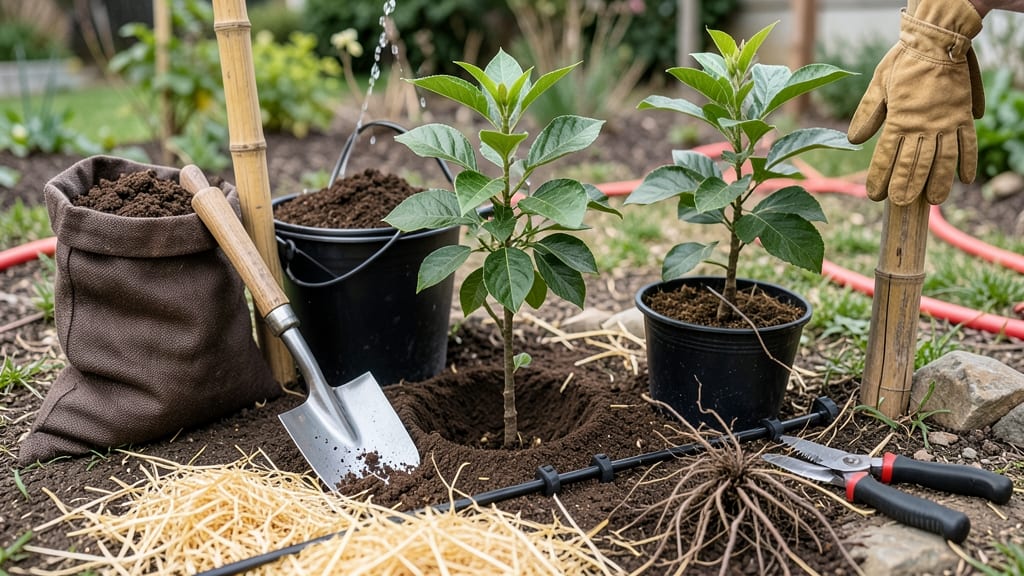
Timing is everything when it comes to planting fruit trees in California—get it wrong, and you could be waiting years for that first harvest.
The perfect window depends on where you live, whether you're in frost-prone valleys or coastal areas with milder winters, and which type of fruit tree you're growing.
I've seen gardeners rush planting in late spring only to watch their saplings struggle through summer heat, while others wait too long and miss the ideal dormant season. The key is understanding your local microclimate and matching it with your tree's specific needs.
Let me show you exactly when to plant for success in California's diverse regions.
From citrus groves in Southern California to almond orchards in the Central Valley, each area has its own rules. We'll break down the best months for planting bare-root trees versus container-grown ones, and how soil temperature plays a crucial role in root establishment.
Trust me, these insights will save you from costly mistakes.
Whether you're a first-time fruit tree grower or a seasoned gardener looking to expand your orchard, knowing the right planting time makes all the difference. Let's get your trees off to the best possible start so you can enjoy homegrown fruit for years to come.
California planting Zones & fruit tree deadlines by month
California’s 11 distinct USDA hardiness zones (7b-10a) create wildly different planting windows for fruit trees. Coastal areas like San Francisco (Zone 9b) can plant citrus year-round, while high desert regions (Zone 7b) must time plantings to avoid late frosts. Understanding these zones ensures your peach, plum, or avocado thrives—not wilts.
Most fruit trees—like stone fruits (peaches, plums) and citrus (oranges, lemons)—follow dormancy-based planting rules. In cooler inland valleys (Zones 7b-8a), plant bare-root trees in late winter (February-March) when soil is workable but before buds swell.
Coastal Zone 9b-10a gardeners can plant container-grown citrus year-round, but spring (March-May) is ideal for avocados and figs.
Here’s your zone-by-zone planting deadline guide, including critical frost dates and best months for bare-root vs. container planting. Pro tip: Fall planting (October-November) works for almonds and walnuts in Zones 7b-8a, but avoid it for citrus in frost-prone areas.
| Zone | Best Planting Months | Key Varieties | Critical Notes |
|---|---|---|---|
| 7b (High Desert) | Feb–March (bare-root) | Peach, Plum, Almond | Avoid fall; last frost risk |
| 8a (Central Valley) | Feb–April (bare-root) or Oct–Nov (container) | Apricot, Cherry, Pomegranate | Soil temp >50°F for roots |
| 9a (Los Angeles) | Jan–May (container) | Avocado, Fig, Citrus | No dormancy; plant anytime |
| 10a (San Diego) | Year-round (container) | Lemon, Olive, Persimmon | Spring best for avocados |
🌱 Pro Tip: Coastal zones (9b+) can plant citrus and olives in winter (Dec–Jan) for faster root establishment.
For stone fruits (peaches, nectarines), timing is everything.
In Zones 7b-8a, plant bare-root trees in February when soil is 45–55°F—too early, and roots suffocate; too late, and buds burst prematurely. Container-grown trees offer flexibility: plant March–April in Zones 8a-9a for figs and pomegranates, which hate wet winters.
Citrus lovers in Zones 9b-10a have the easiest schedule: year-round planting, but spring (March-May) is ideal for avocados. These trees need 6–8 months to establish roots before summer heat hits. Mulch heavily to retain moisture—coastal soils dry fast in June–August.
High-elevation zones like Sacramento Valley (Zone 8a) face late spring frosts (May).
Plant almonds and walnuts in late fall (Oct–Nov) so roots grow before winter, but avoid citrus entirely—they’ll die in 20°F temps. Chill-hour-sensitive trees (like apricots) need 300–500 hours below 45°F; plant in Zones 7b-8a by February 15 to meet this requirement.
Soil temperature matters more than calendar dates. Use a soil thermometer—root growth stalls below 50°F. In Zones 7b-8a, wait until soil hits 55°F for stone fruits.
Coastal gardeners can plant citrus in December because ocean breezes moderate temps—just protect young trees with frost cloth if a 30°F night sneaks in.
Container planting extends your window. Potted fruit trees (like dwarf Meyer lemons) can go in any month in Zones 9b+, but transplant bare-root trees in winter for best root flush. Avoid summer planting—heat stress kills 50% of newly planted trees in Zones 9a-10a.
Water deeply 3x/week for the first 60 days to encourage root spread.
Don’t forget post-planting care. In Zones 7b-8a, apply 2–3 inches
Best fruit tree varieties for California’s microclimates & their planting rules
California’s microclimates create perfect conditions for diverse fruit trees, but timing varies wildly. Avocados thrive in coastal areas where humidity is high, while almonds need the dry, hot summers of the Central Valley.
Even figs—California’s unofficial state fruit—have specific windows to avoid heat stress. Let’s break down the best varieties and their planting deadlines by region.
For coastal zones (USDA 9-10), citrus trees like lemon and orange should go in late winter (February-March) to avoid spring frosts.
Inland valleys (USDA 7-8) like the Central Valley are safer for stone fruits like peaches and plums, planted in late winter to early spring (January-April). Persimmons, needing chill hours, do best in foothill regions (USDA 7b-8a) and should be planted in November-December for dormancy benefits.
- 🥑 Avocado (Coastal): Plant November-February in USDA 9-10. Needs well-draining soil and morning sun.
- 🍊 Citrus (Inland Valleys): February-March in USDA 9-10. Avoid frost-prone areas; use windbreaks if needed.
- 🍑 Peach/Plum (Central Valley): January-April in USDA 7-8. Prune dormant branches before buds swell.
- 🍈 Fig (Heat-Tolerant): Spring or Fall in USDA 8-10. Container-friendly for urban gardens; water deeply weekly.
- 🌰 Almond (Drought-Resistant): November-January in USDA 7-9. Deep taproots need loose soil; mulch heavily.
If you’re in Southern California (USDA 10a), bare-root citrus can even be planted in early spring (March-April), but container-grown trees are safer. Northern California’s cooler zones (USDA 7b) favor late-winter planting (February-March) for apricots and cherries, which need cross-pollination.
Always check local frost dates—even a 28°F night can kill young stone fruits.
Pro tip: Container-grown trees can be planted year-round in frost-free zones, but bare-root varieties need dormant soil (winter). Amend your soil with compost and mycorrhizal fungi to boost root growth. Mulch with wood chips to retain moisture and regulate soil temperature.
For urban gardeners, dwarf varieties like ‘Patio’ peaches or ‘Little Leaf’ limes adapt well to container planting. Just ensure pots have drainage holes and use lightweight potting mix. Water deeply 2-3 times per week during establishment, then taper to weekly deep watering once roots spread.
Remember: Patience is key. Fruit trees take 3-5 years to bear fruit, but proper timing now means decades of harvests—not just for you, but for future gardeners. Start small, and let your microclimate guide your choices! 🌳