
Trees
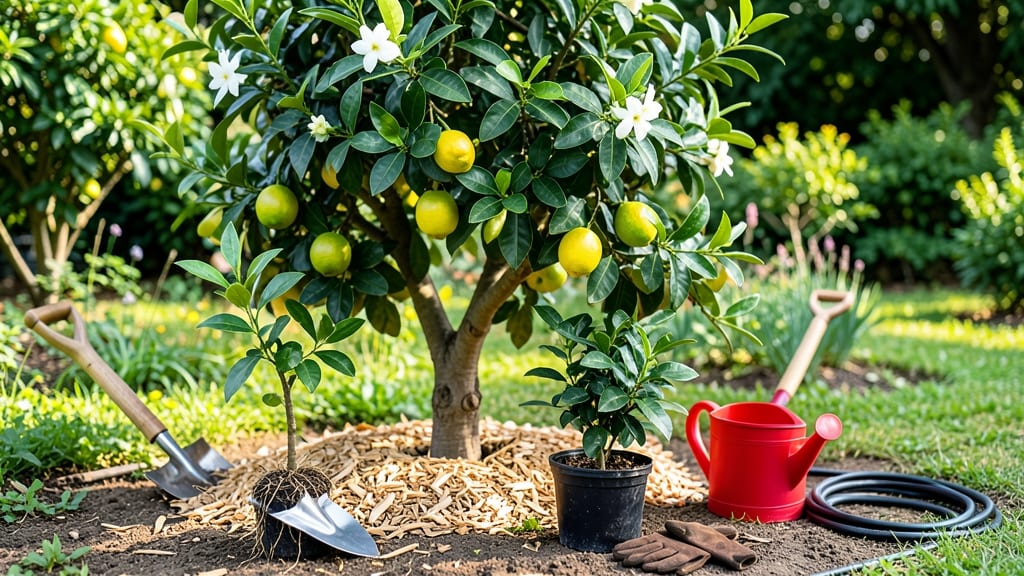
Knowing when to plant citrus trees in Southern California could mean the difference between a thriving 🍊 orchard and a struggling sapling. With our year-round growing season and microclimates ranging from coastal breezes to inland heat, timing matters more than you might think.
The ideal window for planting citrus trees in SoCal is late winter to early spring—February through April—when temperatures are mild and rain provides natural moisture. This timing helps young trees establish strong roots before summer’s intense heat arrives.
But here’s the catch: coastal areas like San Diego can handle slightly earlier plantings, while inland zones near Riverside need to wait until after any lingering cold snaps. We’ll break down the exact deadlines for your specific region so you can plant with confidence.
Whether you’re adding a lemon tree to your backyard or dreaming of a full-scale orange grove, getting the timing right is the key to long-term success. Let’s make sure your citrus trees grow strong from day one.
Best planting months for citrus trees in coastal Southern California
If you live in coastal Southern California—think Los Angeles, San Diego, or Santa Barbara—your citrus trees have a year-round planting advantage. Unlike inland areas, coastal zones rarely face freezing temperatures, making it easier to plant outside the traditional late winter window.
However, ocean breezes and cooler summers still demand strategic timing to avoid transplant shock and maximize root establishment.
The ideal planting window for coastal citrus trees spans from late January through April. This period balances mild air temperatures (50–75°F) with moderate humidity, reducing stress on young roots.
Planting in February or March gives your tree a head start before summer’s heat ramps up, while April plantings still benefit from spring rains and cooler evenings.
For container-grown citrus (like dwarf Meyer lemons), you can even plant in late fall (November) or early winter (January), as long as you protect them from Santa Ana winds, which can dry out soil and roots.
Just avoid planting during peak summer months (June–August), when intense heat and low humidity increase transplant shock risks.
🌱
🍊 Coastal SoCal Citrus Planting Summary
| Month | Best For | Soil Prep Tip | Frost Risk |
|---|---|---|---|
| January | Bare-root trees | Amend with compost | None |
| February | Container-grown citrus | Add perlite for drainage | None |
| March | Bare-root or potted | Test pH (6.0–7.0) | None |
| April | Late-season planting | Mulch heavily | None |
| November | Dwarf varieties only | Use windbreaks | None |
💧 Pro Tip: Always water deeply after planting—coastal soil drains fast!
Before planting, prep your soil by mixing in organic matter like compost or aged manure to improve drainage—coastal soils can be sandy and nutrient-poor.
Aim for a well-draining spot with 6+ hours of sun daily, even if it’s near the ocean. Morning sun is ideal to prevent leaf scorch from afternoon coastal breezes.
If you’re planting navel oranges or grapefruit, prioritize sheltered locations to shield them from salty ocean spray, which can damage leaves. Use drip irrigation to keep moisture consistent, especially in windy areas where evaporation is high.
Mulch with 3–4 inches of wood chips to retain moisture and regulate soil temperature.
🌿
One common mistake coastal gardeners make is planting citrus too close to foundations or sidewalks. Citrus roots spread widely, and competition for water can stunt growth.
Keep trees at least 10–15 feet away from structures. Also, avoid planting near large shade trees—citrus needs full sun to produce sweet fruit.
For container citrus, like lemon or lime trees, coastal areas offer flexibility. You can plant year-round as long as you protect pots from wind and water daily in summer.
Use large containers (15+ gallons) with drainage holes and a citrus-specific potting mix to prevent root rot from coastal humidity.
Finally, monitor for pests like aphids or scale insects, which thrive in coastal microclimates. A neem oil spray every 4–6 weeks during growing season keeps them in check. With the right timing and care, your coastal citrus will thrive year-round!
☀️
Best planting months for citrus trees in coastal Southern California
If you live along the coast—think Malibu, Santa Monica, or San Diego—your citrus trees thrive year-round, but late winter to early spring (February through April) is the sweet spot.
The ocean’s cooling effect keeps temperatures mild, reducing transplant shock and giving young roots time to establish before summer’s heat peaks.
Coastal areas rarely see frost, but December through January can bring chilly nights, especially in inland-adjacent zones like Orange County’s northern edges. Planting in these cooler months still works, but prioritize well-draining soil and wind protection to mimic natural coastal conditions.
| Month | Ideal Planting Window | Soil Prep Tip | Notes |
|---|---|---|---|
| February | ✅ Best time | Add compost to sandy soil | Mild temps, low rain |
| March | ✅ Best time | Test pH (6.0-7.0) | Blooming season starts |
| April | ✅ Still ideal | Mulch with wood chips | Watch for aphids |
| May | ⚠️ Risky (heat stress) | Shade cloth for new transplants | Only for established trees |
For coastal gardeners, avoid planting in summer (June-August)—even with irrigation, the stress of transplanting during peak heat can lead to leaf scorch or root burn. Instead, opt for bare-root trees in late winter, which establish faster than potted varieties.
Pro tip: If you’re in San Diego’s inland valleys (e.g., Escondido), treat your microclimate like a transitional zone—plant in February or November to sidestep both summer heat and rare winter chills. Always check your USDA Zone (9b-11) for local nuances.
Once planted, water deeply twice weekly for the first month to encourage root growth, then taper to once weekly as temperatures rise. Coastal citrus trees reward patience with year-round harvests if you nail the timing!
🌱