
Trees
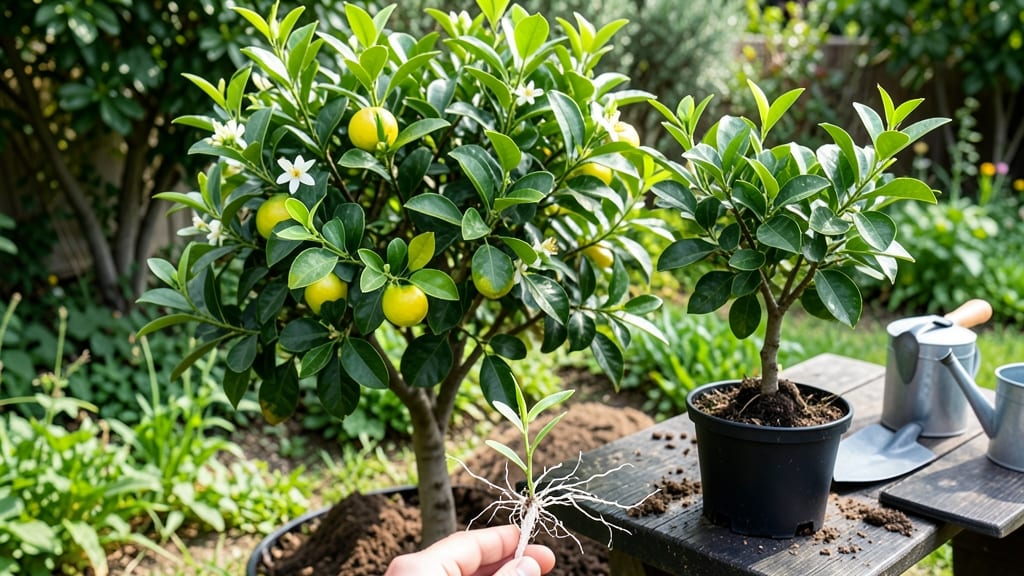
If you’ve ever dreamed of plucking fresh lemons or oranges right from your Arizona backyard, timing your Citrus Tree 🍊 planting is the secret to success.
Unlike other plants, citrus thrives when the air cools—planting in the wrong window could mean struggling with heat stress or frost surprises (yes, even in Zone 9b!).
The ideal window for Arizona gardeners is November through February, when temperatures dip just enough to reduce transplant shock. But here’s the catch: Phoenix and Flagstaff have different needs, and skipping prep work—like soil amendments or shade acclimation—can turn your citrus into a sad, wilted mess.
I’ve seen firsthand how a well-timed planting leads to lush, fruit-bearing trees, while a rushed job leaves you with stunted growth. Whether you’re planting in-ground or containers, the key is understanding your microclimate and avoiding those scorching summer months.
Ready to grow a citrus tree that thrives year-round? Let’s break down the exact months, prep steps, and varieties that work best for your Arizona heat zone—so you can enjoy homegrown fruit without the guesswork.
Arizona’s best citrus planting months by heat Zone
Arizona’s diverse climate—from the Low Desert’s 115°F summers to the High Desert’s chilly winters—means citrus planting timing varies dramatically. The perfect window for planting is November through February, when temperatures are mild and frost risk is minimal.
This 4-month window aligns with Arizona’s USDA Zone 9b, where citrus thrives year-round but needs careful timing to avoid transplant shock or cold damage.
Your location in Arizona dictates the best months: Phoenix gardeners can plant as late as February, while Flagstaff’s cooler microclimate demands earlier planting by November. Even within Phoenix, microclimates near mountains or urban heat islands can shift ideal planting by 2-4 weeks.
Always check your last frost date—though Arizona rarely sees frost, unpredictable cold snaps in January can still harm young trees.
Soil temperature is just as critical as air temperature. Citrus roots thrive when soil stays above 60°F (15°C). In Arizona, this typically occurs by mid-November in most regions, but container-grown trees can be planted slightly earlier if soil is warmed with black plastic mulch.
Bare-root citrus, however, should wait until soil temps stabilize above 65°F (18°C)—usually December or January in cooler zones.
🌱 Key Takeaway: The sweet spot for citrus planting in Arizona is December and January, balancing frost risk, soil warmth, and summer heat avoidance. This aligns with citrus’s natural dormancy cycle, giving roots time to establish before the spring growth surge.
Arizona Citrus Planting Timeline by Heat Zone
| Heat Zone | Best Planting Months | Soil Temp Requirement | Frost Risk | Notes |
|---|---|---|---|---|
| Low Desert (Phoenix) | November–February | 60°F+ (15°C+) | Low (rare below 32°F) | Urban heat islands may extend window to March |
| Mid-Elevation (Tucson) | October–January | 65°F+ (18°C+) | Moderate (occasional 28°F) | Wait for stable soil temps; use frost cloth for young trees |
| High Desert (Flagstaff) | September–November | 70°F+ (21°C+) | High (frequent below 30°F) | Only cold-hardy varieties (e.g., Satsuma); plant in containers for mobility |
Container-grown citrus trees offer flexibility for Arizona gardeners. Unlike bare-root trees, they can be planted earlier in fall (as early as October in cooler zones) because their root balls insulate roots better.
However, avoid planting in summer—even containerized trees suffer from transplant shock when soil temps exceed 90°F (32°C). If you must plant in March or April, provide afternoon shade for the first 2-3 weeks and water daily to help roots establish.
One common mistake Arizona gardeners make is planting citrus too late in spring. By April, the 100°F+ heat stresses young trees, and their shallow root systems can’t access moisture deep enough.
If you miss the November–February window, wait until September—just be prepared for slow initial growth as the tree adapts to summer’s intensity. A mulch ring of 4–6 inches of wood chips can help retain soil moisture and regulate temperature.
For dwarf citrus varieties (like Meyer lemon or Calamondin), timing is slightly more forgiving due to their smaller root zones. However, even these benefit from the cooler winter months.
If you’re planting in containers, use black plastic pots to absorb heat and elevate them to improve drainage—a critical factor in Arizona’s alkaline soil. Always include drainage holes and a 10% perlite/sand mix in your potting soil to prevent root rot.
💡 Pro Tip: Test your soil’s pH level before planting—citrus prefers 6.0–7.0. Arizona’s native soil is often alkaline (7.5–8.5), so amend with elemental sulfur or peat moss to create the ideal growing conditions. This small step can double your tree’s growth rate in the first year.
Finally, consider microclimates within your area. A north-facing wall can extend the planting window by 2–4 weeks in spring, while a south-facing yard may require earlier fall planting to avoid summer stress.
Use these natural features to your advantage—citrus trees thrive with consistency, and Arizona’s climate demands precision timing to succeed.
Arizona’s best citrus planting months by heat Zone
Arizona’s three distinct heat zones—Low Desert, Mid-Elevation, and High Desert—each demand different citrus planting strategies. The Low Desert (Phoenix) enjoys year-round warmth, while Mid-Elevation (Tucson) faces cooler nights, and High Desert (Flagstaff) risks rare frost. Timing your plantings to these zones ensures survival and robust growth.
Citrus trees thrive best when planted during cooler months, but Arizona’s frost-free winters mean you avoid the typical spring frost risks. The ideal window spans November through February, when soil temperatures are perfect for root establishment.
Understanding your zone’s microclimate helps you avoid transplant shock in 100°F+ summers.
🌱 Key Takeaway: Low Desert zones can plant earlier (November), while High Desert waits until late December or January to dodge rare cold snaps. Always check your local last frost date, even in Zone 9b, as microclimates vary.
| Heat Zone | Best Planting Months | Soil Temp (°F) | Key Consideration |
|---|---|---|---|
| Low Desert (Phoenix) | November–February | 60–75°F | Avoid summer heat; mulch heavily |
| Mid-Elevation (Tucson) | December–January | 55–70°F | Cooler nights; protect from wind |
| High Desert (Flagstaff) | Late January–February | 50–65°F | Watch for rare frost; use windbreaks |
For container-grown citrus, you can extend planting to March in Low Desert zones, but bare-root trees need cooler soils. Always acclimate trees for 1–2 weeks before planting by gradually exposing them to Arizona’s intense sunlight. Shade-cloth hardening prevents leaf scorch in 110°F+ conditions.
Soil preparation is critical: Arizona’s alkaline soils (pH 7.5–8.5) require amendments like sulfur or peat moss to lower pH to 6.0–7.0. Mix in compost and sand for drainage, as citrus roots rot in soggy soil. Test your soil 2–4 weeks before planting to adjust nutrients.
Pro tip: Mulch with wood chips (3–4 inches deep) to retain moisture and regulate soil temps. In High Desert zones, add a burlap windbreak to shield young trees from drying winds. Monitor for aphids or scale post-planting, as stressed trees attract pests.