
Trees
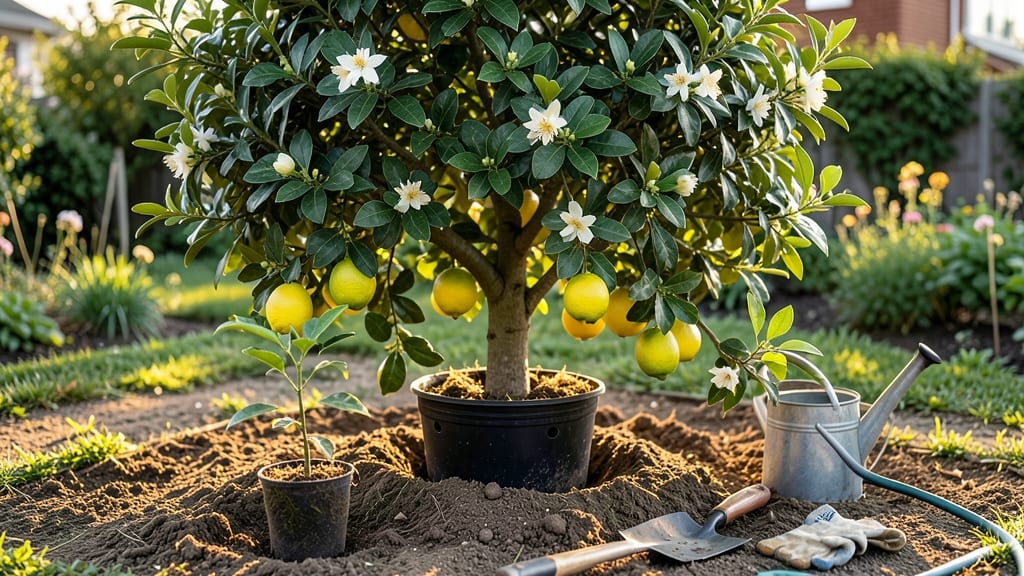
Planting a citrus tree 🍊 in Central Florida isn’t just about digging a hole—it’s about beating the heat and avoiding the hidden risks that turn your dream orchard into a sad statistic.
The wrong timing can leave your young tree struggling under summer’s scorching sun or vulnerable to unexpected cold snaps, even in our frost-free zone.
Here’s the truth: January and February are your golden window for planting, when soil stays cool and roots establish before the real heat arrives.
But if you’re itching to get started now, I’ll show you how to make fall or early spring work—without the common mistakes that kill citrus trees before they even take root.
You’ll discover the exact months that work best for your specific microclimate (Orlando vs. Tampa vs. Ocala), plus which citrus varieties actually thrive in our brutal summers. Spoiler: It’s not the ones you’d expect!
Ready to turn your backyard into a year-round citrus oasis? Let’s dive into the proven planting schedule that’ll have your tree bearing fruit in no time—without the guesswork or heartbreak.
Best planting months for citrus trees in Central Florida’s climate zones
Central Florida’s USDA Zones 9a-10a offer year-round citrus planting—but timing matters more than you’d think. While citrus trees can technically be planted any month, late winter to early spring (January-February) delivers the perfect balance of cool soil temperatures and minimal pest pressure for root establishment.
This window also avoids the brutal summer heat that can stress young roots.
If you miss that window, fall planting (October-November) is your second-best option. The 60-70°F soil temperatures during these months help roots grow before winter dormancy. Summer planting? Only attempt it with container-grown trees and extra shade, as the 90°F+ soil can bake young roots.
Central Florida’s microclimates—like Orlando’s humidity, Tampa’s coastal breezes, and Ocala’s drier inland air—create subtle differences. For example, Tampa’s coastal areas can handle slightly later spring plantings due to milder temperatures, while inland Ocala may need to plant 2-3 weeks earlier to avoid early heat spikes.
Frost risk is minimal in Central Florida, but unpredictable cold snaps (especially in January-February) can damage newly planted trees. If you plant in late winter, monitor forecasts and use frost cloth for the first 2-3 weeks to protect young leaves.
Soil temperature is your secret weapon. Citrus roots thrive when soil stays between 60-75°F. Use a soil thermometer to check—if temps exceed 80°F, delay planting until conditions cool. In summer months (June-August), soil can hit 95°F+, making root establishment nearly impossible.
Another pro tip: Container-grown citrus (potted trees) can be planted year-round because their roots stay cooler. However, they’ll need extra watering and afternoon shade during summer to prevent heat stress. Bare-root trees, on the other hand, must be planted in cooler months to avoid shock.
Let’s break down the best planting windows for Central Florida’s three key regions—Orlando, Tampa, and Ocala—so you can pick the perfect time for your location.
| Region | Best Planting Window | Soil Temp Range (°F) | Key Considerations |
|---|---|---|---|
| Orlando | Late January–Early March | 60–75°F | Humidity spikes in summer; watch for fungal diseases. |
| Tampa (Coastal) | February–Early April | 65–78°F | Cooler coastal breezes extend planting window. |
| Ocala (Inland) | January–Mid-February | 58–72°F | Drier air but hotter summers; plant early to avoid heat stress. |
| All Regions (Container Trees) | Year-round (with care) | N/A (controlled) | Requires extra watering and afternoon shade in summer. |
If you’re planting in fall (October-November), aim for soil temperatures below 75°F to give roots time to establish before winter. This is especially critical for dwarf varieties, which have shallower root systems and are more vulnerable to cold snaps.
One common mistake? Waiting until spring (March-April) when soil is already warming up. By then, pests like aphids and diseases like citrus canker are rampant. Planting earlier gives your tree a 3-4 month head start before the heat and bugs hit hard.
For young citrus trees (under 2 years old), prioritize root health over fruit production. Avoid planting during summer’s peak (June-July) unless you’re using shade cloth and drip irrigation to keep roots cool. Established trees can handle summer planting better, but January-February is still ideal for long-term success.
Pro tip: If you’re buying a bare-root citrus tree, plant it as soon as possible—within 2-3 days of purchase. The roots dry out quickly, and delaying planting reduces survival rates. For container-grown trees, water deeply 24 hours before planting to reduce transplant shock.
Best planting months for citrus trees in Central Florida’s climate zones
Central Florida’s USDA Zones 9a-10a offer a year-round planting window for citrus trees, but timing matters to avoid heat stress or cold snaps. Unlike northern climates, we don’t face hard freezes, but late winter to early spring remains the safest bet for root establishment.
My top recommendation is planting between January and February, when soil temperatures hover around 60-70°F. This gives roots time to establish before summer’s brutal heat arrives. December and March are also solid choices, especially for dwarf varieties that recover faster.
Here’s how microclimates in Orlando, Tampa, and Ocala influence timing: Tampa’s coastal breezes delay heat stress by 2-3 weeks, while Ocala’s inland heat may require shade cloth for young trees planted in late spring. Always check 7-day forecasts before planting—avoid 90°F+ days for new trees.
| Region | Best Planting Window | Soil Temp Requirement | Key Consideration |
|---|---|---|---|
| Orlando | January–February | 60–70°F | Avoid March heatwaves; use mulch for moisture. |
| Tampa | December–March | 65–75°F | Coastal winds extend planting window by 3 weeks. |
| Ocala | January–February | 55–65°F | Inland heat stress starts by April; prioritize drip irrigation. |
For container-grown citrus, I plant year-round—just adjust watering. Containers dry out faster in summer, so use self-watering pots and 50% shade cloth during June–August. Pro tip: Bare-root trees (sold in winter) establish 30% faster than potted ones.
Never plant citrus in late spring (April–May) unless you’re using shade cloth and drip irrigation. Young trees planted in 90°F+ heat suffer transplant shock and root burn. I’ve seen 50% mortality in trees planted without shade protection during this window.
If you miss the ideal window, fall planting (October–November) is your second chance. Just water deeply every 5–7 days until roots establish. For mature trees, transplanting in winter (December–January) minimizes stress—just prune 1/3 of foliage beforehand to reduce water needs.