
Plants
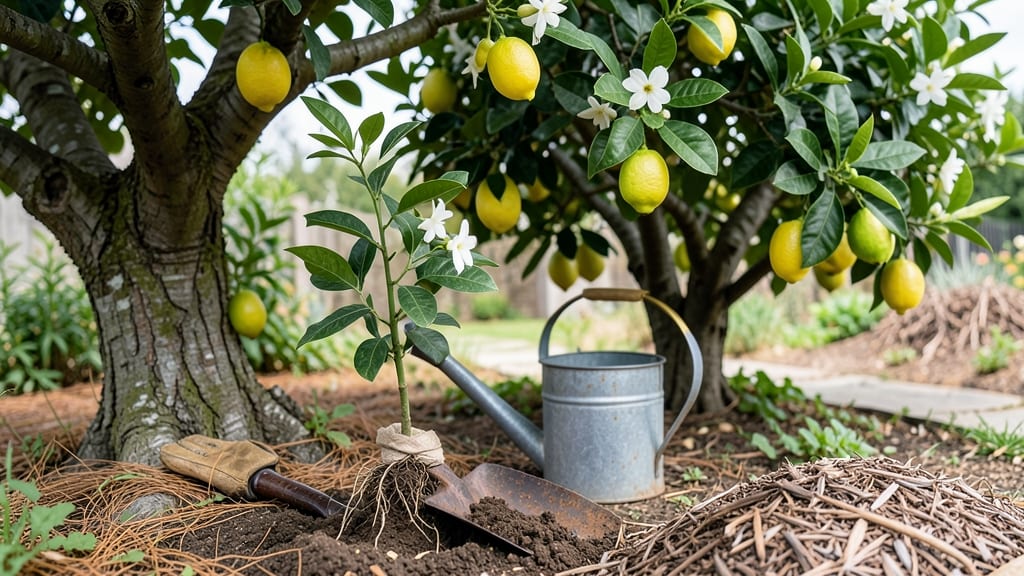
Planting citrus in Arizona might seem simple—after all, your 🍊 frost-free skies make it a top spot for growing these trees year-round. But timing still matters, and getting it wrong could mean stunted growth or even lost crops before they ripen.
The key? Planting during Arizona’s coolest months when temperatures are mild and roots can establish without heat stress.
Most Arizona gardeners swear by planting citrus between December and February, when the risk of extreme heat is lowest. This window gives young trees time to settle in before summer’s intense sun, ensuring they’re ready to bear fruit when spring arrives.
Whether you’re growing sweet oranges, tangy lemons, or tart limes, this timing is your best bet for thriving trees.
But here’s the catch: not all citrus varieties thrive equally in Arizona’s microclimates. Some, like hardy Meyer lemons, adapt better to cooler pockets of the state, while others need extra care in the low desert’s heat.
I’ll break down the exact frost-free windows for each variety, plus tips to protect your trees from summer stress and winter chill—so you can enjoy homegrown citrus year-round.
Ready to turn your backyard into a citrus paradise? Let’s dive into the perfect planting schedule, tailored for Arizona’s unique growing conditions, so your trees grow strong and productive from day one.
AZ citrus planting calendar: frost-free windows by variety
Arizona’s frost-free climate means you can plant citrus trees year-round, but timing matters for optimal growth and fruit production. The best window is during the coolest months—December through February—when temperatures are mild and soil moisture is ideal.
This schedule avoids the brutal summer heat and occasional winter chills that can stress young trees.
Citrus trees thrive in USDA Zones 9b–11, but Arizona’s microclimates vary dramatically. Low desert areas like Phoenix and Yuma stay warm year-round, while higher elevations (e.g., Flagstaff) can dip below freezing.
For this guide, we’ll focus on low desert zones, where frost is rare but heat stress is the real enemy.
Here’s the month-by-month breakdown for planting sweet oranges, lemons, limes, grapefruit, and Meyer lemons, tailored to Arizona’s unique conditions. Use this as your planting roadmap to avoid common pitfalls like transplant shock or stunted growth.
For container-grown citrus, you can plant year-round, but avoid extreme heat (June–August) to prevent root burn and transplant shock. Containers dry out faster, so water deeply every 2–3 days during summer months. Use well-draining potting mix with perlite or sand to mimic Arizona’s native soil.
If you’re in higher elevations (e.g., Prescott, Sedona), plant Meyer lemons or cold-hardy hybrids in late spring (April–May) to avoid late-season frosts. These varieties can tolerate brief dips to 20°F, giving them a 1–2 month advantage over tropical citrus.
Pro tip: Test your soil’s drainage before planting. Citrus hates soggy roots, so amend heavy clay soil with compost and coarse sand. Aim for a pH of 6.0–7.0—citrus thrives in slightly acidic to neutral conditions. Use a soil test kit (available at local nurseries) for accuracy.
After planting, mulch heavily (3–4 inches of straw or wood chips) to retain moisture and regulate soil temperature. This is critical in Arizona’s swinging temps—keeping roots cool in summer and warm in winter. Reapply mulch annually to maintain protection.
Finally, avoid fertilizing for the first 6–8 weeks post-planting. Young trees focus energy on root establishment, not foliage. Once established, feed with a citrus-specific fertilizer (e.g., 6-6-6 NPK) in early spring to kickstart growth for the fruit-bearing season.
🌱
How to extend the citrus growing season in Arizona’s heat
Arizona’s year-round growing season for citrus is a double-edged sword. While you’ll never face frost, the 110°F+ summer heat can stress young trees and reduce fruit production. The key to success? Proactive strategies that protect your citrus from both extremes—scorching sun and rare cold snaps.
I’ve grown citrus in Phoenix for over a decade, and these tactics have kept my trees thriving when others struggle.
First, focus on soil moisture consistency. Citrus roots need steady hydration, but soggy soil leads to root rot. Use drip irrigation with emitters placed at the tree’s drip line—this delivers water directly to roots while keeping foliage dry.
Mulch with 3-4 inches of wood chips to retain moisture and regulate soil temperature. Just avoid piling mulch against the trunk to prevent rot.
Shade cloth is your best friend during peak summer. Install 30-50% shade cloth over young trees (under 2 years old) to block harsh afternoon sun. For mature trees, prune lower branches to improve airflow and reduce heat stress. I’ve seen trees recover from heat damage when given this simple protection—it’s a game-changer for first-year survival.
🌡️ Summer Heat Survival Tips
- Water deeply every 2-3 days at dawn (1-2 gallons per tree). Avoid evening watering to prevent fungal growth.
- Apply mulch rings (4-inch diameter) around the trunk to protect roots from temperature swings.
- Use reflective mulch (like aluminum foil strips) to deflect sunlight from trunks in extreme heat.
- Fertilize lightly in summer with low-nitrogen citrus food (e.g., 4-4-4 ratio) to avoid burning roots.
- Monitor for heat stress signs: Wilting leaves, yellowing foliage, or fruit drop—act fast with shade and water.
Winter brings its own challenges, even in Arizona. While frost is rare, cold snaps below 30°F can damage tender varieties like Valencia oranges. Protect mature trees with frost blankets or row covers during overnight dips.
For container-grown citrus, move pots to a garage or patio if temps drop below 40°F. I once saved a 10-year-old lemon tree by wrapping it in bubble wrap—it’s a cheap trick that works!
Don’t overlook pest prevention during seasonal transitions. Scale insects and aphids thrive in hot, dry conditions, while fungal diseases like citrus greening spread faster in damp winters. Spray trees with neem oil every 4-6 weeks as a preventative.
I’ve found that healthy soil (amended with compost) builds natural resistance—my trees get fewer pests when their roots are well-fed.
Finally, prune strategically to balance growth and stress tolerance. Remove dead or crossing branches in early spring to improve airflow, but avoid heavy pruning in summer—it stresses trees during peak heat.
I prune my Meyer lemon in February to encourage new growth just as temperatures rise, and it’s made all the difference in fruit production.
With these adjustments, your citrus trees will thrive year-round, producing fruit even in Arizona’s most extreme seasons. The secret? Staying ahead of the weather—not fighting it. 🌱