
Trees
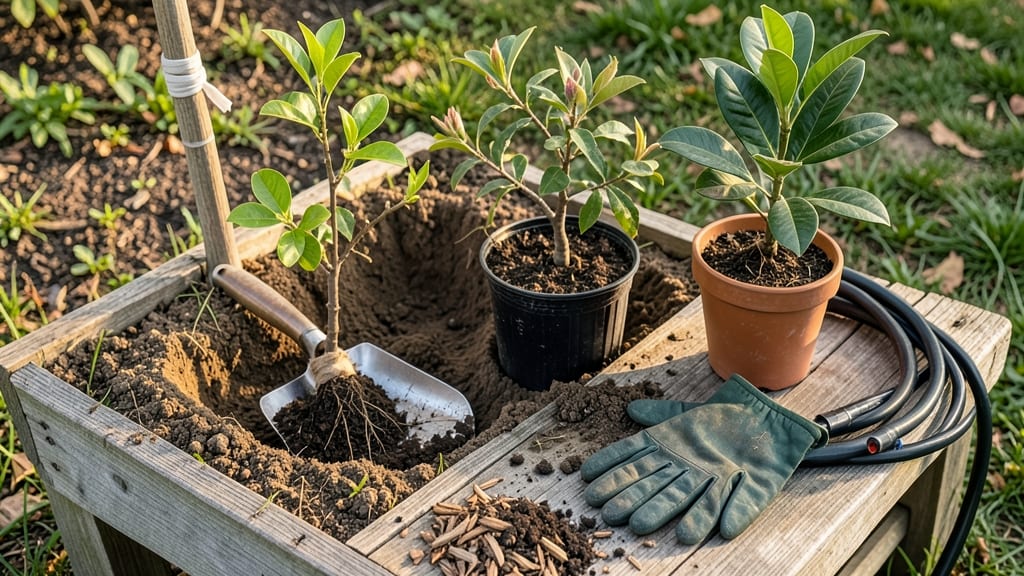
If you’ve ever wondered when is the best time to plant fruit trees in California, the answer isn’t one-size-fits-all—it depends on your variety, location, and even the microclimate where you’re planting.
From coastal fog to scorching inland valleys, California’s diverse zones demand precision timing to give your 🌱 trees the strongest start possible.
Planting at the wrong time can mean struggling roots, stunted growth, or even failure to fruit. But here’s the good news: with the right knowledge, you can align your planting schedule with nature’s rhythms—whether that’s dormant-season prep for citrus or early spring for stone fruits.
Let’s break down the best months for each type so you can avoid common mistakes and set your orchard up for success.
Whether you’re growing peaches in Zone 9 or apples in Zone 7, chill-hour needs play a huge role in timing. We’ll cover how to adjust for coastal vs. inland conditions, soil prep tips, and even how to protect young trees from unexpected frost.
Ready to plant with confidence? Let’s get started.
By the end of this guide, you’ll know exactly when to dig in—plus how to care for your trees through their first critical growing season. No more guesswork, just thriving 🌱 fruit trees that reward you with harvests for years to come.
Best planting months for California fruit trees by chill-hour needs (Zone 7-10)
California’s diverse climate zones—from foggy coastal areas to scorching inland valleys—mean fruit trees thrive at different times. The key? Planting during the dormant season when trees aren’t actively growing. For most varieties, this means late fall to early spring, but chill-hour needs change everything.
For example, low-chill varieties like peaches and plums (300–600 hours) can handle California’s mild winters, while high-chill apples (700+ hours) struggle in Zone 10. Let’s break down the best months for each type, plus soil prep tips to set your trees up for success.
🌱
| Variety | Chill-Hour Needs | Best Planting Months | Soil Temp for Planting | Notes |
|---|---|---|---|---|
| Citrus (oranges, lemons) | 0–200 hours | Late winter (Feb–March) | 60–70°F | Plant after last frost; avoid summer heat |
| Peaches & Plums | 300–600 hours | November–January | 50–60°F | Coastal areas: plant 2 months later to avoid wet soil |
| Apricots | 400–600 hours | December–February | 55–65°F | Zone 9–10: plant in early winter to escape heat |
| Apples & Pears | 700–1,000+ hours | November–December | 45–55°F | Only viable in Zone 7–8; use dwarf rootstock |
| Avocados | 200–400 hours | Spring (March–April) | 65–75°F | Zone 10: plant after last frost; avoid summer |
| Figs | 100–300 hours | Late winter (Feb–March) | 55–65°F | Drought-tolerant; plant in well-draining soil |
Timing isn’t just about months—it’s about soil temperature. Use a soil thermometer to confirm conditions match your tree’s needs. For example, peaches need 50–60°F soil to root properly, while avocados will sulk in cool ground.
In Zone 7–8 (e.g., Sacramento, San Diego), aim for November–January to avoid summer heat stress. In Zone 9–10 (e.g., Los Angeles, Palm Springs), shift to late winter or early spring—citrus and figs hate the summer dry spell.
Pro tip: Bare-root trees (sold dormant) plant best in winter, while container-grown trees can go in year-round—but spring is ideal for root recovery.
After planting, mulch heavily (3–4 inches) to retain moisture and regulate soil temp. Water deeply once a week for the first month, then taper to every 2 weeks once established.
🌿
Remember: Coastal fog delays dormancy, so adjust by 1–2 months later in areas like Santa Cruz or Monterey. Inland zones like Fresno can plant earlier thanks to colder winters.
For container growing, plant anytime soil temps are right, but spring gives trees the longest growing season to establish roots before summer drought hits.
How to adjust planting time for California’s microclimates: coastal fog vs. desert heat
California’s microclimates create dramatic differences in planting windows—what works in foggy San Francisco (Zone 9-10) fails in sunbaked Bakersfield (Zone 9a). For example, apricots need 300-500 chill hours and thrive 2 months earlier in Zone 9 than Zone 7. Understanding these shifts prevents stunted growth or frost damage.
Coastal areas like Santa Barbara benefit from extended growing seasons but risk delayed dormancy if planted too late. Inland zones (e.g., Fresno) demand earlier planting to avoid summer heat stress. Even within 50 miles, soil temps can differ by 10°F, altering root establishment timing.
🌱
🌿 Coastal Microclimates (Zone 9-10)
✅ Pros
- Longer planting window
- Lower frost risk after transplant
- Milder soil temps in spring
❌ Cons
- Higher humidity increases fungal risk
- Slower dormancy for high-chill varieties
- Limited sunlight in foggy mornings
☀️ Inland Microclimates (Zone 7-9)
✅ Pros
- Warmer soil for faster root growth
- Lower pest pressure (e.g., fewer aphids)
- Earlier harvest windows for heat-tolerant varieties
❌ Cons
- Higher water stress during establishment
- Risk of heat shock if planted too early
- Shorter optimal window before summer drought
For coastal zones, aim to plant citrus and olives in late winter (February-March) when soil temps hit 60°F.
Inland areas should plant peaches and plums in early spring (January-February) to avoid summer heat. Avocados are the exception—they hate cold and should go in spring (March-April) everywhere except desert regions (plant in winter).
Adjust for rootstock compatibility: Dwarfing rootstock like B9 or G945 need cooler soils to establish, while vigorously growing rootstock (e.g., Seedling) tolerate heat better. Always check your local USDA Zone and microclimate—even within the same city, planting times can shift by 4-6 weeks.
🌡️