
Trees
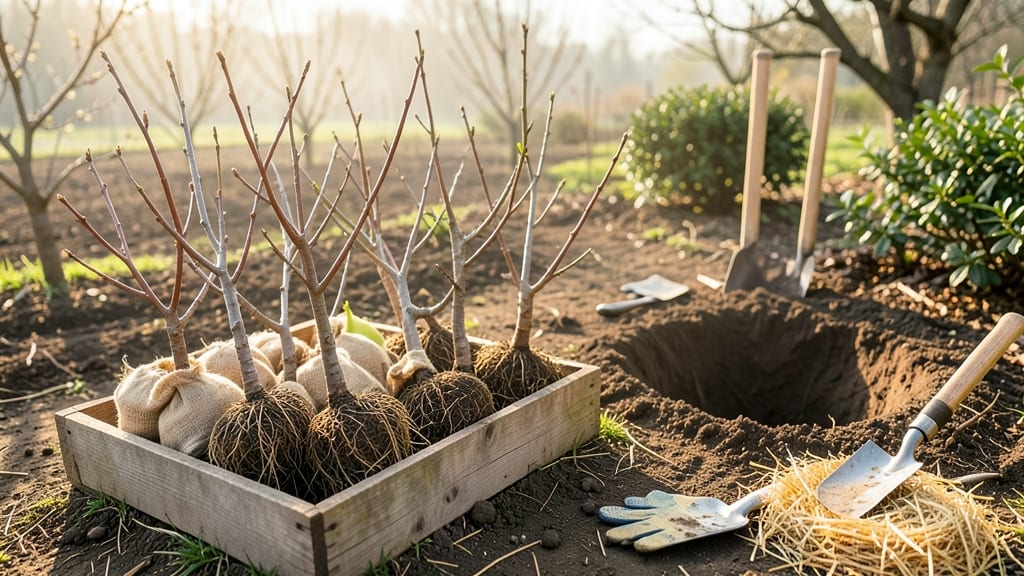
Planting fruit trees in Massachusetts at the wrong time can mean years of struggling with weak growth and poor harvests—but here’s the game-changer: fall planting often gives your 🍎 trees a stronger start than spring.
Most gardeners assume spring is the only window, but the cooler soil and reduced stress actually help roots establish deeper before winter.
If you’re in zones 5b-6b, timing matters more than you think. Early fall (September-October) lets trees settle before frost, while early spring (March-April) avoids summer heat stress.
I’ll break down the best months for each variety—whether you’re growing apples, peaches, or cherries—and how to prep your soil for maximum success.
You might be surprised by how much a 30-day difference can impact your tree’s health. From soil prep to frost protection, I’ll cover everything you need to know to plant with confidence. Let’s get those roots growing strong—your future harvest depends on it.
Ready to skip the guesswork? We’ll dive into the science behind fall vs. spring planting, plus regional tips for Massachusetts’ varied climate. Your perfect orchard starts with the right timing—let’s make it happen.
Best months to plant fruit trees in Massachusetts: fall vs spring comparison
Massachusetts gardeners face a critical decision when planting fruit trees: fall vs spring timing. Both seasons offer advantages, but understanding the science behind each helps you choose the best window for your apple, peach, or cherry trees.
In Massachusetts' USDA zones 5b-6b, the difference between a thriving orchard and a struggling sapling often comes down to when you plant.
Fall planting (September through early November) is often underestimated but provides cooler soil temperatures that encourage root growth before winter dormancy. Spring planting (April through early May) aligns with active growth but risks summer stress if roots struggle to establish before heat arrives.
Let’s break down the pros and cons for each season, including regional adjustments for coastal vs inland Massachusetts.
🌱
| Factor | Fall Planting (Sept-Nov) | Spring Planting (Apr-May) |
|---|---|---|
| Soil Temperature | 50-60°F (ideal for root growth) | 40-50°F (warmer in May, but early spring can be chilly) |
| Root Establishment | 6-8 weeks before dormancy | 4-6 weeks before summer heat |
| Watering Needs | Moderate (cooler temps reduce evaporation) | High (summer drought risk) |
| Frost Risk | Low (roots establish before winter) | Moderate (late frosts can damage new growth) |
| Best For | Bare-root or container-grown trees | Container-grown trees (bare-root needs moist soil) |
| Regional Adjustment | Coastal: Plant by October 15; Inland: November 1 | Coastal: After May 1; Inland: April 15 |
For Massachusetts gardeners, fall planting often wins because it gives roots 6-8 weeks to establish before winter dormancy. By contrast, spring planting risks summer stress if roots don’t establish quickly enough.
However, spring planting is ideal if you’re working with container-grown trees, which handle transplanting better than bare-root stock in early spring.
🌿
Coastal Massachusetts (e.g., Cape Cod, Boston) has milder winters and later frost dates, so you can plant fruit trees slightly later—up to mid-October for fall or early May for spring. Inland areas (e.g., Worcester, Springfield) experience earlier frosts, so aim for early November in fall or mid-April in spring to avoid winter damage.
🌳
Pro tip: If you’re planting in late spring (June or later), avoid it entirely—your trees will struggle with summer heat and drought. Instead, opt for fall planting or wait until next spring.
For bare-root trees, always plant them in early spring (March-April) or early fall (September-October) to minimize stress.
💧
One final consideration: soil temperature. Fruit trees thrive when soil is between 50-60°F. In Massachusetts, fall soil temps drop below this by mid-November, while spring soil warms to ideal levels by mid-April.
Use a soil thermometer to check before planting—this small tool can save you from costly mistakes!
☀️
Ready to plant? Fall is your best bet for most Massachusetts gardeners, but spring works too if you’re prepared for summer care. Next, we’ll dive into soil prep—because even the best timing won’t help if your soil isn’t ready for root growth.
How to prepare your Massachusetts soil for fall fruit tree planting
Fall planting gives your fruit trees a head start on root growth before winter dormancy. But Massachusetts’ clay-heavy, acidic soils need special prep to ensure success. Start by testing your soil’s pH and nutrient levels—ideal ranges for most fruit trees are 6.0-7.0.
If your soil is too acidic (common in MA), add lime (calcium carbonate) 2-3 months before planting.
Before digging, remove any weeds or grass from the planting area. Fruit trees hate competition for nutrients. Amend the soil with 3-4 inches of compost or well-rotted manure mixed into the top 12-18 inches of soil. This improves drainage and adds organic matter that retains moisture during dry spells.
🌱
Step-by-Step Soil Prep for Fall Planting
- Test Soil: Use a pH test kit (available at garden centers) to check acidity. Aim for 6.0-7.0 for most fruit trees.
- Amend Soil: Mix in compost or aged manure to improve texture and fertility. For sandy soils, add peat moss.
- Dig the Hole: Make it twice as wide as the root ball but only as deep. Loosen sides to encourage root spread.
- Add Fertilizer: Use a balanced fertilizer (10-10-10) mixed into the backfill soil, not directly on roots.
- Mound Soil: Create a small mound in the hole center to prevent root rot from water pooling.
- Water Thoroughly: Soak the hole before planting to help roots settle into moist soil.
For poorly draining areas (common in low-lying spots), consider planting on a mound or raised bed. This prevents waterlogged roots, which can suffocate trees during Massachusetts’ wet springs. If your yard has compacted soil, aerate the area with a garden fork before amending.
Protect young roots from early frosts by applying a 4-6 inch layer of mulch (wood chips or straw) around the base of the tree. Keep mulch 3-4 inches away from the trunk to prevent rot. This also helps regulate soil temperature and retains moisture during dry fall spells.
Finally, choose a sunny location with at least 6-8 hours of sunlight daily. Fruit trees need full sun to produce fruit, and Massachusetts’ short winters mean you’ll want to maximize growing time. Avoid planting near large trees or structures that cast shade.
With proper soil prep, your fall-planted fruit trees will establish strong roots before winter, giving them a huge advantage over spring-planted trees. Just remember: patience is key—young trees may take 2-3 years to bear fruit, but the effort is worth it for decades of harvests! 🍏🌿