
Trees
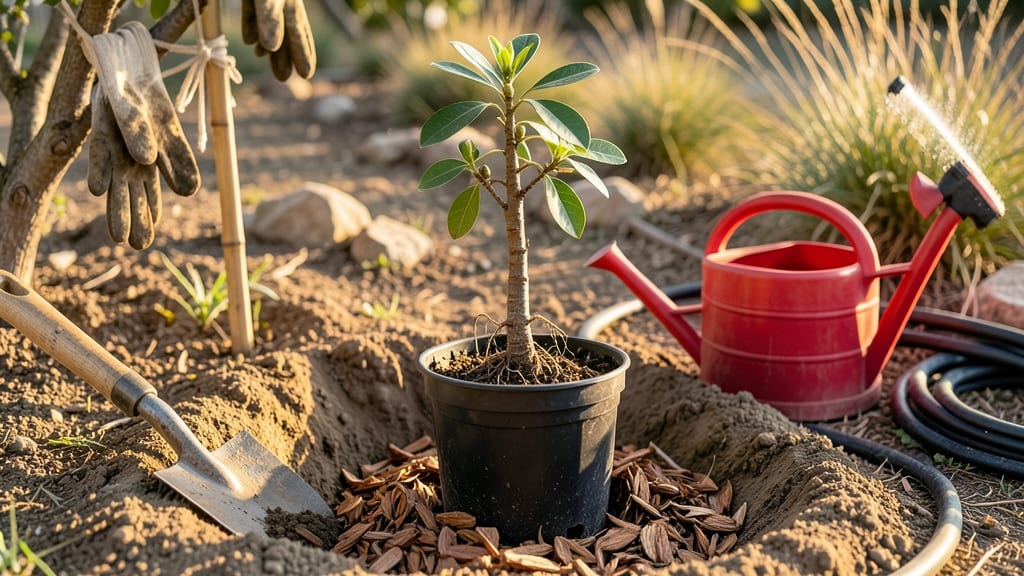
If you're dreaming of juicy peaches 🍑 or sweet oranges 🍊 in your Central Texas backyard, planting your fruit trees at the wrong time could mean the difference between a thriving orchard and a sad, wilted investment.
Central Texas gardeners know the drill: scorching summers and unpredictable freezes demand precision timing. But here's the good news—when you plant your fruit trees between late winter and early spring, you'll give them the best shot at surviving our 8a-8b climate and producing bountiful harvests for years to come.
I've spent years helping Texas gardeners navigate these challenges, and what I'm about to share will help you avoid common mistakes. We'll cover the exact months to plant, which varieties handle our heat best, and how to prepare your soil for maximum success.
Let's get your fruit trees off to the right start—because timing really is everything in this unpredictable climate.
Best planting months for fruit trees in Central Texas (with frost risk data)
Central Texas's USDA Zones 8a-8b create a tricky balance—mild winters and brutal summers demand precise planting timing. The ideal window is November through March, when soil stays cool and frost risks are lowest. This period gives young roots time to establish before summer heat arrives.
Most fruit trees need 4-6 weeks before last frost (typically mid-March in Austin/San Antonio) to avoid spring freezes damaging tender new growth. Planting too early risks winter dieback, while late planting stresses trees during summer's peak heat.
Here’s what you need to know about frost risks by city: Austin’s average last frost is March 15, Waco’s March 10, and San Antonio’s March 20. These dates are your planting deadlines—don’t wait until April!
For bare-root trees, plant in November-December when soil is workable but temperatures stay mild. Container-grown trees can handle February-March planting, as their roots are less vulnerable to cold.
Citrus trees (like meyer lemon or satsuma orange) are exceptions—they thrive when planted in late winter (February) to avoid summer stress. Their evergreen foliage needs time to harden off before heat waves hit.
🌱
| Month | Frost Risk | Best For | Soil Temp |
|---|---|---|---|
| November | Low (20% chance) | Bare-root trees | 50-60°F |
| December | Moderate (35% chance) | Dormant trees | 45-55°F |
| January | High (50% chance) | Container trees | 40-50°F |
| February | Low (15% chance) | Citrus, peaches | 55-65°F |
| March | Very Low (5% chance) | All varieties | 60-70°F |
After March, frost risks drop dramatically, but summer’s 100°F+ heat becomes the bigger threat. Trees planted in April-May still have time to establish roots, but they’ll need extra watering and shade protection during their first summer.
For peach trees, aim for February planting—they bloom early and need time to fruit before summer’s end. Fig trees, however, tolerate late spring planting (May) because their roots establish quickly in Central Texas’s heat.
🌡️
Pro tip: Check your local Cooperative Extension Service for city-specific frost data. In Waco, for example, frost can linger until March 10, while San Antonio’s coastal influence often pushes last frosts to March 20. Plant accordingly!
If you miss the ideal window, don’t panic—just mulch heavily and water deeply to help trees recover. Summer-planted trees (June-August) are risky but possible with 50% shade cloth and drip irrigation.
💧
Heat-resistant fruit tree varieties that thrive in Central Texas heat
Central Texas summers can push temperatures past 100°F, making heat tolerance a non-negotiable trait for fruit trees. Not all varieties survive—peaches often struggle, while figs and pomegranates flourish. Choosing the right heat-resistant variety ensures your tree doesn’t wilt under 100°F+ heat waves.
My top 5 heat-resistant fruit trees for Central Texas all share one key trait: deep root systems that access moisture and thick bark to protect against sun scald. These varieties also bloom later in the season, avoiding late spring freezes that can devastate early bloomers like apricots.
Here’s how they compare—planting time, water needs, and care tweaks included to maximize survival and fruit production in our brutal summers.
🌱 Heat-Resistant Fruit Tree Comparison
| Variety | Best Planting Month | Water Needs | Heat Tolerance | Care Tweaks |
|---|---|---|---|---|
| Fig (Brown Turkey) | February-March | Low (drought-tolerant) | Extreme (110°F+) | Mulch heavily; prune in late winter |
| Pomegranate (Wonderful) | March-April | Medium (deep water) | High (95°F+) | Full sun; fertilize spring only |
| Muscadine Grape (Scuppernong) | February-March | High (deep roots) | Extreme (105°F+) | Train on trellis; water deeply weekly |
| Peach (Redhaven) | February-March | Medium (avoid stress) | Moderate (90°F+) | Prune for airflow; avoid summer water |
| Citrus (Meyer Lemon) | March-April (container) | High (consistent) | High (95°F+) | Use drip irrigation; protect from wind |
Figs are the low-maintenance champions of Central Texas—Brown Turkey figs produce fruit with minimal water once established. I’ve seen them thrive in 105°F heat with no extra care beyond mulching. Their deep roots tap into groundwater, making them ideal for drought-prone areas.
For pomegranates, timing is everything. Plant March-April to avoid late spring freezes, which can kill flowers. These trees love heat but need consistent moisture during fruit development. I fertilize mine only in spring—over-feeding in summer leads to sucker growth that weakens the tree.
Muscadine grapes are powerhouses for Central Texas, but they need space. Their thick vines can sprawl 20+ feet, so train them on a trellis or fence. Water deeply once a week to encourage deep root growth, which helps them survive 105°F+ heat waves.
If you’re craving peaches, stick to late-blooming varieties like Redhaven. Plant in February-March and avoid summer watering—wet foliage in heat increases fungal diseases. Prune for airflow to prevent bacterial spot, a common issue in Texas