
Plants
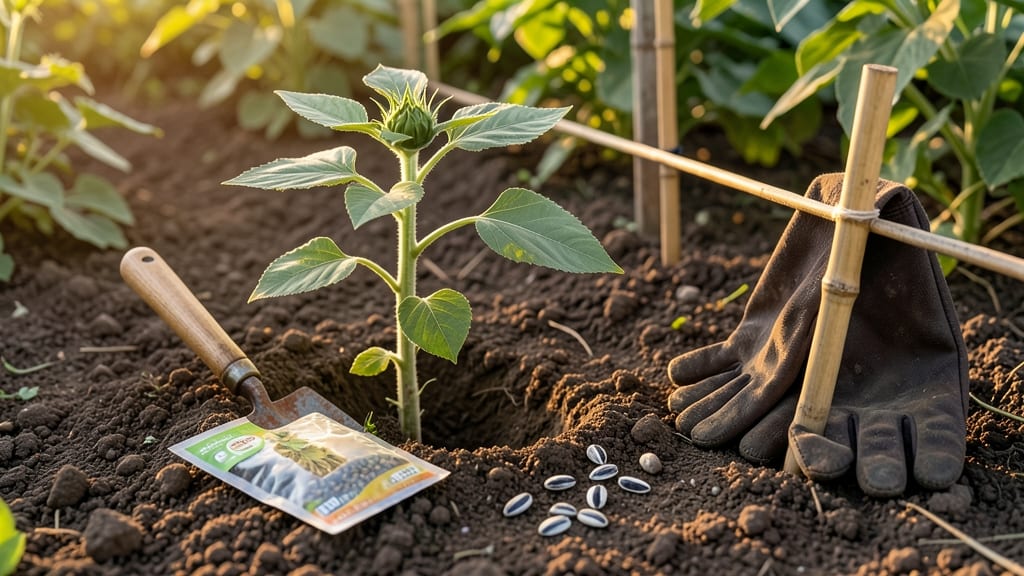
Planting sunflower seeds in Florida at the wrong time can mean the difference between towering 🌻 giants and sad, stunted plants. Unlike colder climates, Florida’s frost-free zones let you grow them year-round—but timing still matters for maximum height and vibrant blooms.
In 9a-11 zones, coastal areas and inland regions have different sweet spots. The key is planting when soil warms to 50°F, whether you’re in frost-free South Florida or the rare-chill North. Miss the window, and you’ll end up with leggy stems or no flowers at all.
I’ve grown sunflowers in Florida for years, and I’ll show you exactly when to start seeds for spring or fall harvests—plus how to adjust for humidity and heat. Ready to turn your garden into a sunflower paradise?
From February-April for summer blooms to August-September for fall harvests, we’ll cover it all. Let’s get those seeds in the ground the right way!
Optimal sunflower planting dates in Florida by region (coastal vs. inland)
Florida’s climate is a sunflower grower’s paradise, with zero frost risk in most areas. But timing matters—plant too early, and you’ll face intense summer heat; too late, and your blooms may miss peak season.
The key is understanding Florida’s three distinct microclimates: North, Central, and South. Each has unique soil warmth patterns and humidity levels that affect germination and growth.
For North Florida (USDA Zones 8a-9a), where cool winter nights can linger until March, aim for late February to early April plantings. This gives seeds time to sprout before soil temperatures climb above 85°F (29°C), which can stress young plants.
Meanwhile, Central Florida (Zones 9a-9b) offers a 6-week window from mid-February to late March, balancing early warmth with summer’s approaching intensity.
South Florida (Zones 10a-11) is the most forgiving, with year-round planting potential. However, for the best bloom timing, focus on August to early September for fall blooms or January to early February for spring displays. The humidity and heat in South Florida demand faster germination, so don’t wait until soil is bone-dry.
| Region | USDA Zone | Best Planting Window | Soil Temp for Germination | Key Consideration |
|---|---|---|---|---|
| North Florida | 8a-9a | Late Feb - Early Apr | 50-60°F (10-15°C) | Avoid May plantings—heat stress risk |
| Central Florida | 9a-9b | Mid-Feb - Late Mar | 55-65°F (13-18°C) | June plantings risk bolting |
| South Florida | 10a-11 | Aug-Sep or Jan-Feb | 60-70°F (15-21°C) | July plantings need shade cloth |
| Coastal Areas | 9b-11 | Year-round (best: Feb-Mar or Aug-Sep) | 55-75°F (13-24°C) | Salt spray tolerance varies by variety |
🌱 Pro Tip: Use a soil thermometer to confirm readiness—seeds won’t sprout below 50°F (10°C).
Coastal areas benefit from moderate humidity and consistent breezes, which can actually improve sunflower health by reducing fungal diseases. However, salt-tolerant varieties like ‘Autumn Beauty’ or ‘Moulin Rouge’ are your best bet near shorelines.
Inland regions, especially those with sandy soil, need extra attention to water retention—mulching with straw or pine needles helps retain moisture during Florida’s dry spells.
For summer blooms, plant in late August to catch the fall temperature drop. This timing ensures your sunflowers mature before winter chills (even rare ones in North Florida) slow growth. If you’re aiming for Christmas decorations, start seeds indoors in October and transplant by November 1st.
One common misconception is that Florida’s heat is too intense for sunflowers. In reality, heat-loving varieties like ‘Russian Giant’ or ‘ProCut’ thrive here—just avoid planting in peak summer (June-July), when bolting (premature flowering) is likely. Instead, let the natural cooling of fall trigger blooming.
Remember: Sunflowers are fast growers—some varieties reach 10 feet in just 80 days. Plan your planting dates to align with your harvest goals, whether it’s cut flowers, birdseed, or decorative stalks.
With Florida’s long growing season, you can even squeeze in two plantings per year if you choose the right timing!
🌻 Key Takeaway: North Florida = spring focus; South Florida = fall/early winter; Coastal = year-round
How to time sunflower seeds for maximum height and bloom (pro tips)
Florida’s long growing season and intense summer heat mean sunflowers can grow twice as fast as in cooler climates—but timing is everything. Plant too early, and your seeds rot in soggy soil; too late, and you’ll miss the peak bloom window before fall rains arrive.
My pro tip: Aim for soil temps of 50°F+ (10°C+) to trigger germination without bolting.
For taller stems and bigger blooms, I focus on three key strategies: soil warmth checks, companion planting, and watering schedules that match Florida’s humidity. Skipping these steps can leave you with weak stalks or small flowers—neither of which is ideal for Florida’s sunflower-loving pollinators!
🌻
- Soil Temperature Check
- Companion Planting
- Watering Schedule
- Fertilizer Boost
- Prune Strategically
Pro tip: If you’re growing sunflower varieties like ‘Moulin Rouge’ (double blooms) or ‘Autumn Beauty’ (multi-colored), start seeds indoors 2-3 weeks before your target outdoor date. Florida’s short winter means early starts give you a head start on summer blooms.
One mistake I’ve seen gardeners make? Overcrowding seeds in hopes of bigger yields. Sunflowers need 12-24 inches of space to thrive—any less, and you’ll get weak, leggy stalks with small flowers. Thin seedlings to 6-12 inches apart once they’re 4 inches tall.
🌿