
Plants
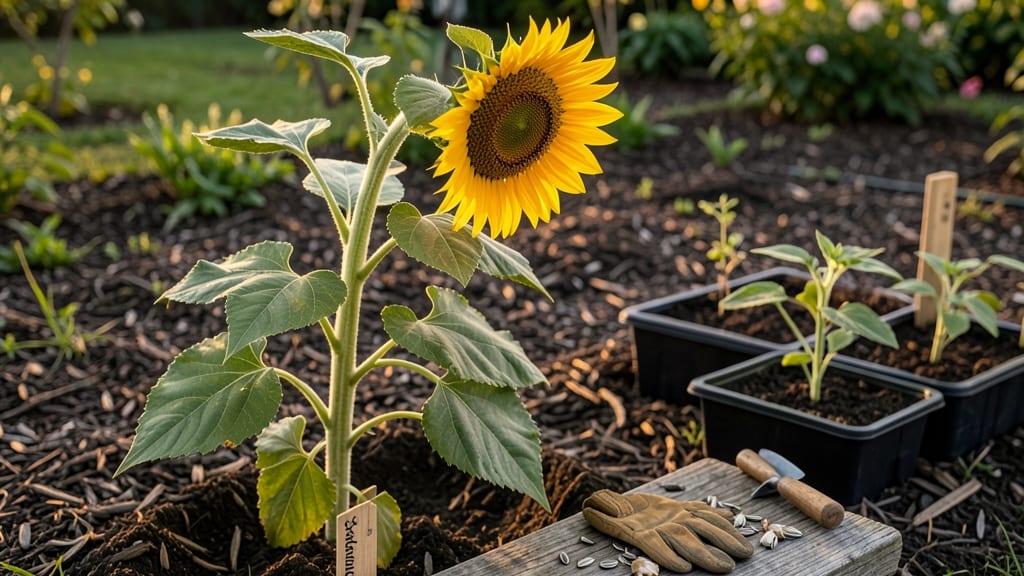
Planting sunflower seeds in Michigan isn't just about timing—it's about unlocking those towering 🌻 blooms that can reach taller than your fence. With Michigan's unpredictable spring weather, getting the dates right means the difference between vibrant sunflowers and wilted disappointment.
Most gardeners in USDA zones 5b-6b wait until mid-April to early June, after the last frost has passed. But here's the secret: even a few days too early can mean frost damage, while planting too late might leave your sunflowers struggling to mature before fall's chill sets in.
Whether you're sowing directly in the garden or starting seeds indoors, I'll break down the exact frost-free windows for Michigan's regions—plus pro tips to extend your growing season. Let's make sure your sunflowers grow tall and strong, just like they're meant to.
From soil prep to post-planting care, you'll learn how to avoid common mistakes and get the most out of your sunflower patch. Ready to grow sunflowers that turn heads? Let's dive in.
Michigan sunflower planting timeline: exact dates by region
Michigan’s three distinct climate zones create varying frost-free windows for sunflower seeds. In the Upper Peninsula (USDA Zone 4), wait until late May to avoid frost, while Southern Michigan (Zone 6) gardeners can start as early as mid-April.
Northern Lower Peninsula falls in between, with early May being the safest bet.
Sunflowers thrive when soil temperatures reach at least 55°F (13°C). Use a soil thermometer to confirm readiness—cold soil slows germination. In Zone 5 (Central Michigan), aim for April 20–May 10 for ideal conditions. Always check your local last frost date via the Michigan State University Extension for precision.
Here’s your region-specific planting timeline with frost-free averages and soil thresholds:
For early blooms, try direct sowing in late April in Southern Michigan, but cover seeds with row fabric if nights dip below 45°F (7°C). In colder zones, start seeds indoors 2–3 weeks before your target outdoor date using grow lights to prevent leggy seedlings.
Sunflowers mature in 70–120 days, so late June plantings may still yield flowers before frost. However, taller varieties (10+ ft) need full-season growth, so prioritize April–May sowing for maximum height. Use dwarf varieties (3–5 ft) if you’re pushing the season’s limits.
Pro tip: Plant a mix of early, mid, and late varieties to extend your sunflower season. For example, ‘Teddy Bear’ (dwarf) can handle late plantings, while ‘Mammoth’ (giant) needs the full season. Always space seeds 6 inches apart and thin to 12–18 inches for optimal air circulation.
Michigan’s unpredictable spring means flexibility is key. If late frosts hit after planting, use black plastic mulch to warm soil faster. For northern gardens, consider greenhouse starts or container growing to extend the season. Monitor your local National Weather Service forecasts for real-time adjustments.
Remember: Sunflowers hate soggy soil. In clay-heavy Michigan soils, amend with compost or sand to improve drainage. Well-draining soil prevents rot and fungal diseases, ensuring your sunflowers reach their full potential height.
By following these region-specific timelines and soil prep tips, you’ll maximize bloom height and yield—even in Michigan’s short but sweet growing season. Happy planting! 🌻
How to extend Michigan’s sunflower growing season for tallest blooms
Michigan’s unpredictable spring frosts can sabotage your sunflower dreams—but don’t let short growing seasons stop you from growing 12-foot giants. With the right strategies, you can push your planting window earlier by weeks or even extend it into summer for late varieties.
The key? Cold-hardy varieties, protective coverings, and soil warming hacks that trick nature into cooperating.
Start by choosing early-maturing varieties like 'Autumn Beauty' or 'Moulin Rouge', which tolerate cooler soils better than standard types. These varieties can handle soil temps as low as 50°F, giving you a 2-week head start over traditional sunflowers.
For even earlier planting, try succession planting: sow seeds every 10-14 days from mid-April through early June to ensure continuous blooms all summer.
🌱 Pro Tip: Use black plastic mulch or clear row covers to warm soil by 5-10°F. Lay down mulch 2-3 weeks before planting to create a microclimate that speeds up germination.
For extra protection, drape frost blankets over seedlings until hardiness zone 5 is safely passed (usually by late May in most of Michigan).
- 🔥 Soil Warming: Use black plastic mulch 2-3 weeks pre-planting to raise soil temps by 5-10°F.
- ❄️ Frost Protection: Cover seedlings with row covers until last frost (late May in most areas).
- 🌱 Succession Planting: Sow seeds every 10-14 days from April-June for staggered blooms.
- 🌿 Cold-Hardy Varieties: Choose 'Autumn Beauty' or 'Moulin Rouge' for earlier planting.
- ☀️ Summer Extenders: Plant late varieties (like 'Russian Giant') in June for fall harvests.
For gardeners in northern Michigan (USDA Zone 4), consider starting seeds indoors under grow lights 4-6 weeks before your last frost date. Transplant seedlings outdoors only after soil temps reach 55°F and nighttime temps stay above 40°F.
Harden off seedlings by placing them outdoors for 2-3 hours daily the week before transplanting to avoid shock.
Don’t overlook late-season planting either! In southern Michigan (Zone 6), you can still sow sunflower seeds in early June for a fall harvest. Opt for fast-maturing varieties like 'Teddy Bear' (50 days) or 'Russian Giant' (60 days) to ensure they reach maturity before first frost in October.
These late plantings can produce second crops of smaller but equally vibrant blooms.
Remember: Consistent moisture is critical during these extended seasons. Water deeply once a week (or more during dry spells) to encourage strong root systems. Mulch around plants with straw or grass clippings to retain moisture and regulate soil temperature.
With these techniques, you’ll turn Michigan’s short growing season into a sunflower superstar—tall, healthy, and blooming from summer to fall! 🌻