
Flowers
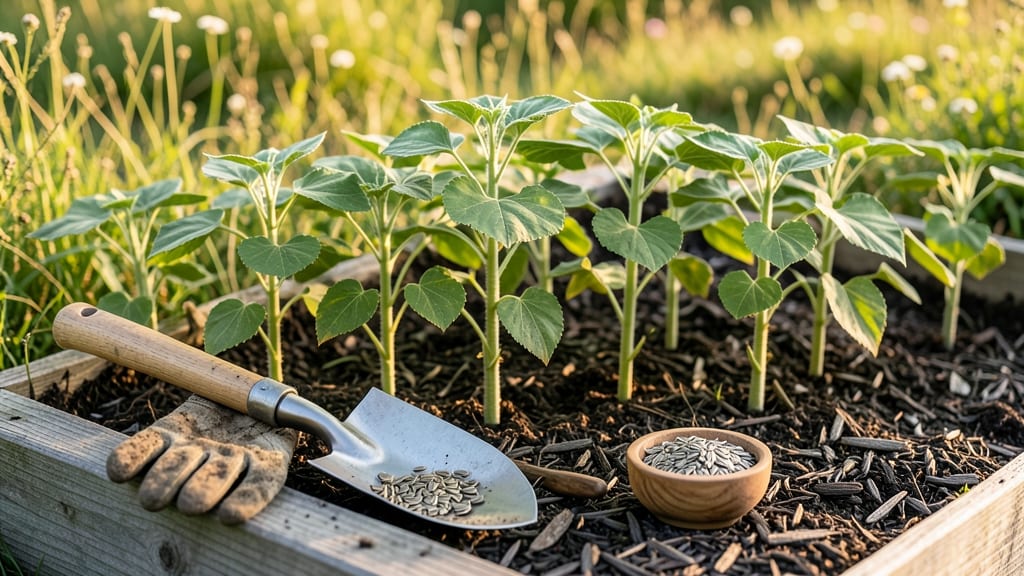
Planting sunflowers in Florida at the wrong time could mean watching your 🌻 plants struggle through heat or storms before they even bloom. The key to success lies in understanding your specific heat zone—whether you're battling coastal humidity or inland dryness—because Florida's climate isn't one-size-fits-all.
For most gardeners in zones 8a-11, the ideal window stretches from March through September, but timing varies dramatically between Miami's year-round growing season and Tallahassee's cooler pockets. What works for steamy coastal areas might fry plants inland, where temperatures can spike unexpectedly.
I'll break down exactly when to plant for your location, whether you're direct-sowing seeds or transplanting starts. You'll also discover how to adjust for Florida's infamous weather whiplash—from sudden downpours to scorching afternoons—that can turn a perfect garden into a gamble.
Let's get your sunflowers off to the strongest start possible, with variety recommendations and care tips tailored to Florida's unique challenges. Your 6-18 foot giants will thank you with vibrant blooms all season long.
Best sunflower planting times in Florida by heat zone (coastal vs inland)
Florida’s climate varies dramatically from the humid coastal regions to the drier inland areas, making planting times critical for sunflowers.
In North Florida (USDA Zones 8a-9a), like Tallahassee or Gainesville, last frost dates typically fall in late February, while South Florida (Zones 10a-11), including Miami or Fort Lauderdale, enjoys year-round frost-free growing. This means your planting window shifts dramatically depending on where you live.
For coastal Florida, where temperatures stay warm and humidity is high, you can plant sunflowers year-round with peak success from March through September. In contrast, inland Florida experiences hotter, drier summers and cooler winters, so the ideal window narrows to March through June for best results.
These differences affect soil warmth, moisture retention, and even pest pressure.
Here’s the key: Sunflowers need soil temperatures of at least 55°F to germinate properly. In North Florida, this usually happens by early March, while South Florida can start as early as February.
If you plant too early in cooler zones, seeds may rot or take too long to sprout, leaving your sunflowers vulnerable to pests or weak stems.
Another critical factor is Florida’s hurricane season, which runs from June to November. Planting too close to peak hurricane season (August-October) risks storm damage to young or mature plants. Inland areas may also face intense summer heat, which can stress sunflowers if not given enough water.
Coastal areas, meanwhile, must contend with high humidity and fungal diseases if not spaced properly.
Sunflower Planting Windows by Florida Heat Zone
| Zone | Last Frost Date | Ideal Planting Window | Soil Temp Requirement | Key Considerations |
|---|---|---|---|---|
| North Florida (8a-9a) | Late February | March–June | ≥55°F | Cooler nights; risk of late frost |
| Central Florida (9b-10a) | Mid-January | February–July | ≥55°F | Hot summers; watering critical |
| South Florida (10b-11) | Year-round | January–September | ≥60°F (tropical varieties) | Humidity; hurricane risk June–Nov |
If you’re in North Florida, aim to plant sunflowers 4-6 weeks before your last frost date (typically by early March). This gives seeds time to germinate before the ground warms up.
For Central Florida, you have more flexibility—planting from February through July works well, but avoid late summer if you’re in hurricane-prone areas. In South Florida, you can plant almost anytime, but spring and early summer (March–June) yield the most vibrant blooms.
For gardeners in coastal areas, consider direct sowing in early spring (February–March) to avoid fungal issues from summer humidity. Inland gardeners should start seeds indoors in late winter (January–February) and transplant after the last frost.
This head start helps sunflowers establish strong roots before facing intense summer heat. Always choose a sunny, well-drained spot—sunflowers need at least 6-8 hours of direct sunlight daily.
Pro tip: Succession planting works beautifully in Florida. Sow a new batch every 2-3 weeks from March through July to ensure a continuous display of blooms all summer long. This is especially useful in South Florida, where you can extend your planting season into early fall for late-season flowers.
One common mistake is planting sunflowers too late in the season. If you wait until July or August in North Florida, your plants may not mature before the first frost in December.
In South Florida, late plantings can still produce flowers, but they may struggle with heat stress or hurricane winds. Always check your local Florida Climate Zones map and adjust accordingly.
Finally, remember that sunflowers are annuals, meaning they complete their life cycle in one growing season. This makes them perfect for Florida’s warm climate, where you can enjoy bold, cheerful blooms without long-term commitment.
With the right timing, you’ll have sunflowers reaching towering heights of 3-18 feet, adding a stunning vertical element to your garden.
Best sunflower planting times in Florida by heat zone (coastal vs inland)
Florida’s climate creates two distinct sunflower planting zones: coastal humidity and inland dry heat. Coastal areas like Miami enjoy year-round warmth, while inland cities such as Orlando experience hotter summers and cooler winters. Understanding these differences ensures your sunflowers grow strong and bloom vibrantly.
In coastal Florida (USDA Zones 10-11), you can plant sunflowers year-round, but the best time is February through November. The humidity is high, so focus on well-draining soil and spacious spacing to prevent fungal issues.
In contrast, inland Florida (USDA Zones 8a-9b) has a shorter frost-free season, making March through September the ideal window.
🌻 Sunflower Planting Times by Florida Zone
| Zone | Best Planting Window | Soil Temp Threshold | Key Considerations |
|---|---|---|---|
| Coastal (10-11) | Feb–Nov | 55°F+ | High humidity; avoid waterlogging |
| Inland (8a-9b) | Mar–Sep | 60°F+ | Hotter summers; mulch to retain moisture |
| Panhandle (8a) | Apr–Aug | 65°F+ | Later frost risk; opt for fast-maturing varieties |
🌱 Pro Tip: Test soil temperature with a thermometer—wait until it hits 55°F+ for coastal zones or 60°F+ inland.
For coastal gardeners, early spring (February) or late summer (August) plantings work best. The high humidity can stress seedlings, so use shade cloth for the first week or two.
Inland areas should prioritize March or April to avoid summer heatwaves that can stunt growth. If you’re in the Panhandle, wait until mid-April to dodge late frosts.
Sunflowers thrive in full sun, but Florida’s intense summer heat can scorch young plants. If planting in June or July, provide afternoon shade for the first 2 weeks or choose heat-tolerant varieties like ‘Autumn Beauty’. These varieties handle 90°F+ temperatures better than standard types.
Regardless of your zone, soil preparation is critical. Amend your soil with compost to improve drainage, especially in coastal areas where sandy soils dominate. Inland gardeners should focus on retaining moisture with organic mulch, like straw or wood chips, to protect roots during Florida’s dry spells.
Timing your sunflower planting right means bigger blooms and longer vase life. Whether you’re in Miami’s tropical paradise or Orlando’s sweltering summer, these guidelines will help you grow sunflowers that stand tall and proud—just like Florida’s skyline. 🌻