
Plants
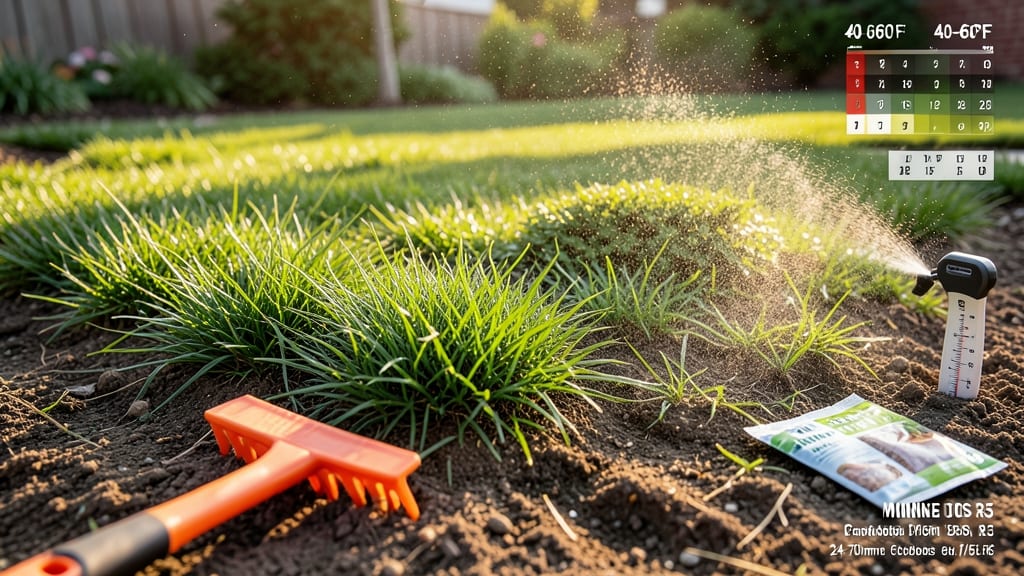
If you’ve ever stared at a bag of grass seed (🌱) in late summer and wondered when it is too late to plant grass seed in Minnesota—or risk wasting your investment—you’re not alone.
The state’s unpredictable frost dates can turn a simple lawn project into a guessing game, but there’s a science to it.
The last safe window for planting grass seed (Turfgrass) in Minnesota hinges on soil temperature and frost risk, not just the calendar. For zones 3b-5b, late August to early September is your sweet spot—assuming nighttime temps stay above 50°F for at least 4 weeks.
Plant after that, and you’re playing roulette with your lawn’s future.
I’ll break down the exact deadlines by zone, plus the critical soil prep steps to give your seed the best shot at survival. Whether you’re in Minneapolis or Duluth, these tips will help you avoid the costly mistakes of planting too late.
Ready to turn your patchy lawn into a lush reality? Let’s dive into the zone-specific rules that’ll keep your grass seed (🌱) thriving—no matter how late you plant.
Minnesota’s last safe grass-seeding dates by hardiness Zone (with soil temperature rules)
Minnesota’s hardiness zones 3b-5b create big differences in last safe planting dates. In northern MN (Zone 3b), you’ll need to plant grass seed by mid-August to avoid frost, while southern MN (Zone 5b) gardeners can push it to late September.
The key rule? Soil must stay above 50°F for 4+ weeks after planting for germination.
Cool-season grasses like Kentucky Bluegrass and Tall Fescue are your best bets for late planting—they germinate faster in cooler temps than warm-season varieties. However, if your soil is below 50°F, even these grasses will struggle to establish before winter.
Always check your last frost date (Zone 3b: Oct 5; Zone 5b: Oct 15) and count backward.
Here’s the critical soil temperature threshold for successful germination: 60-75°F is ideal, but seeds can still sprout at 50°F+. Use a soil thermometer to test before planting—if temps drop below 50°F within 2 weeks of seeding, your grass may fail to establish before frost.
For spring planting, aim for 2-4 weeks after the last frost (typically late April to early May). In fall, plant 4-6 weeks before the first frost (late August to early September). This window gives seedlings time to root deeply before winter dormancy.
Minnesota Grass-Seeding Deadlines by Zone
| Zone | Last Safe Planting Date | Soil Temp Requirement | Frost Risk |
|---|---|---|---|
| 3b (Duluth, Brainerd) | Mid-August (fall) / Late April (spring) | 50-60°F (minimum) | High (first frost: Oct 5) |
| 4a (Minneapolis, St. Cloud) | Early September (fall) / Early May (spring) | 50-65°F (ideal) | Moderate (first frost: Oct 10) |
| 4b (Rochester, Mankato) | Late September (fall) / Late April (spring) | 55-70°F (optimal) | Low (first frost: Oct 15) |
| 5a (Winona, Albert Lea) | Early October (fall) / Early May (spring) | 60-75°F (best) | Minimal (first frost: Oct 20) |
⚠️ Pro Tip: Use a black plastic mulch to warm soil by 5-10°F if planting near the deadline.
If you’re planting in Zone 3b, prioritize fast-germinating varieties like ‘Penncross’ Ryegrass, which can sprout in 7-14 days at cooler temps. In Zone 5b, you have more flexibility, but avoid planting after September 20—even warm-season grasses like Bermuda won’t establish before frost.
For overseeding existing lawns, late summer (August) is ideal because warm soil speeds up germination. Use a slit seeder to bypass thick grass, and water lightly twice daily for the first week to keep seeds moist.
If you miss the window, wait until spring—don’t plant in fall’s last month (October), as seedlings won’t survive winter.
One common mistake? Ignoring soil temperature and planting based on air temp alone. A 50°F soil can feel warm on a sunny day, but seeds need consistent warmth to germinate. Use a soil thermometer ($10 at garden centers) to avoid costly mistakes.
In northern Minnesota, extend your planting window by 2-3 weeks with a straw mulch blanket (1-2 inches thick) to insulate seeds. This adds 5-7°F warmth and protects against early frosts. Just remove mulch once grass reaches 3 inches tall to prevent thatch buildup.
Remember: Grass seed needs 4-6 weeks of growth before winter dormancy. If your last frost is October 15, plant by September 1 to give seedlings time to develop roots. For Zone 3b, aim for August 15—any later, and you’re rolling the dice with frost.
5 Warning signs your late grass seed planting will fail (and how to fix it)
Late-season grass planting in Minnesota is risky—even if you’re close to the deadline. Watch for these 5 red flags that signal trouble, and learn how to salvage your lawn before it’s too late. Cold soil, hardpan layers, or early frost can derail even the best-laid plans.
First, check your soil temperature. If it’s below 50°F for 4+ weeks, seeds won’t germinate properly. Use a soil thermometer to confirm—this is the #1 reason late plantings fail. If your soil is too cold, delay planting or switch to cold-hardy varieties like Penncross Ryegrass.
Next, look for uneven moisture in your planting area. Dry, cracked soil or soggy patches mean seeds won’t establish evenly. Fix this by watering deeply 2x daily for the first week, then tapering to morning-only watering. A sprinkler with gentle misting works best for seedlings.
- Cold soil = delayed germination (seeds rot instead of sprouting)
- Hardpan layer = roots can’t penetrate (test with a screwdriver)
- Early frost = seedlings die before establishing (check 10-day forecasts)
- Birds/animals = scattered seeds = patchy lawn (use netting temporarily)
- Weed competition = outcompetes grass (pre-treat with vinegar or corn gluten)
🌱Pro Tip: If frost is forecasted within 2 weeks, cover seedlings with straw mulch (1 inch thick) to insulate roots.
Hardpan soil—a dense, compacted layer—is another silent killer. Test for it by pushing a screwdriver into the ground. If it won’t go past 2 inches, your seeds will struggle. Break up hardpan with a broadfork or aerator before planting, then mix in compost or sand to improve drainage.
Watch for sparse or uneven germination after 2 weeks. If only a few patches sprout, you may have poor seed-to-soil contact or low-quality seed. Rake lightly to ensure seeds are buried ¼ inch deep, and consider a second planting with a faster-germinating variety like Annual Ryegrass.
Finally, monitor for fungal diseases like brown patch or dollar spot, which thrive in late-season moisture. Prevent outbreaks by watering in the morning and avoiding overhead sprinklers. If you spot yellow or brown patches, treat with a copper fungicide and improve airflow by mowing higher (3-4 inches).
Even if your late planting shows early signs of struggle, don’t give up. With the right adjustments—soil warming, proper moisture, and protective mulch—you can still grow a thick, healthy lawn by next spring. The key is acting fast when you spot these warning signs. 🌱