
Plants
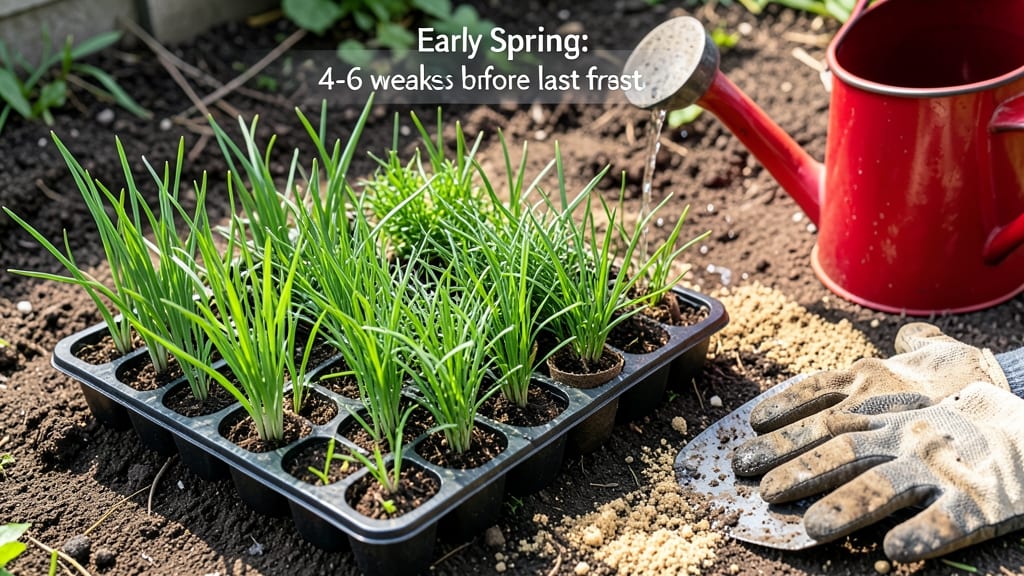
Timing your cool season grass planting in spring could make or break your lawn’s health this year—especially if you’re in Zone 6a where temperatures fluctuate wildly. Too early, and your seeds risk rotting in cold, damp soil; too late, and summer heat will stress seedlings before they take root.
The difference between fast establishment and months of patchy growth often comes down to one key factor: soil temperature.
Most gardeners focus on frost dates, but the real secret lies in waiting for the ground to warm to 50–65°F—the sweet spot for cool-season grasses like Kentucky bluegrass or fescue.
This window typically opens 4–6 weeks before your last frost, but regional microclimates (like urban heat islands) can shift that timeline by weeks. Skipping this step is the #1 mistake I see, and it leads to slow germination or even seed failure.
In this guide, I’ll break down exactly when to plant in your area, how to check soil readiness without a fancy thermometer, and the 3 signs your grass is thriving (or struggling) in the first 30 days.
Whether you’re seeding a new lawn or overseeding an existing one, these insights will help you skip the guesswork and get that 🌱 green carpet growing strong.
Ready to transform your spring planting from a gamble into a sure thing? Let’s dive into the soil science that’ll give your grass the fast start it deserves.
Optimal soil temperature ranges for planting cool season grass in spring
Planting your cool-season grass at the right time in spring is all about soil temperature. When soil heats up too quickly, seedlings struggle to establish roots before heat stress sets in.
The ideal planting window occurs when soil temperatures consistently stay between 50°F and 65°F—this range ensures strong germination and root development before summer heat arrives. Colder soil (<50°F) slows growth, while warmer soil (>65°F) can cause seedling death.
Why focus on soil temperature? Grass seeds need warmth to activate enzymes for germination, but too much heat stresses young plants. Cool-season grasses like Kentucky bluegrass and fescue thrive in these moderate temperatures, while warm-season grasses (like Bermuda) would fail under the same conditions.
Think of it like dressing for the weather—your grass needs the perfect "climate" to thrive.
Here’s the key: Soil temperature lags behind air temperature. Even if spring air feels warm, the ground may still be cool. Use a soil thermometer (inserted 4 inches deep) to check daily.
Most garden centers sell them for under $10—an investment that pays off in a lush lawn. If you’re in doubt, wait. Patience now prevents patchy growth later.
Regional variations matter too. In USDA Zone 3, soil may not warm up until late April, while Zone 8 could be ready by early March. Microclimates—like urban areas with pavement heat—can also shift timing by weeks. Always adjust based on your local conditions, not just the calendar.
| Soil Temp Range | Germination Speed | Root Establishment | Heat Risk |
|---|---|---|---|
| 40°F–49°F | Very Slow | Weak Roots | Low |
| 50°F–65°F | Optimal | Strong Roots | Low |
| 66°F–75°F | Fast but Risky | Moderate | High |
| 76°F+ | Seed Death | None | Extreme |
Science backs up this range: cool-season grasses germinate best at 50°F–65°F because enzymes like alpha-amylase (which breaks down seed starches) work most efficiently. Below 50°F, microbial activity slows, delaying nutrient uptake.
Above 65°F, seedlings dehydrate faster, and fungal diseases like Pythium thrive. Think of it like baking a cake—too little heat and it won’t rise; too much and it burns.
Morning is the best time to plant. Soil temperatures are cooler then, reducing stress on seeds. Water deeply afterward to lock in moisture and cool the soil further. Avoid planting on hot, sunny afternoons—even if the air feels mild, surface soil can hit dangerous temperatures.
If you must plant later in the day, shade the area with burlap tarps until evening.
Pro tip: Test your soil a week before planting. Dig a 6-inch hole, fill it with water, and time how long it takes to drain. If it drains in <30 minutes, your soil is too sandy and may dry out too fast.
Amend with compost or peat moss to retain moisture. If it drains in >2 hours, it’s too clay-heavy—add perlite or coarse sand to improve aeration. Right soil prep = fewer headaches later.
Don’t let last frost dates fool you. While frost is a risk, soil temperature is the real decider. In Zone 5, you might see frost in May, but if soil is still <50°F, wait.
Conversely, in Zone 7, frost may be rare by March, but soil could still be too cold. Always prioritize soil temp over calendar dates—your grass will thank you with deeper roots and faster growth.
Remember: Cool-season grass planted at the right time can establish 70% of its root system in the first 30 days. Get it wrong, and you’re fighting patchy growth all summer. Use this
Optimal soil temperature ranges for planting cool season grass in spring
Cool-season grasses like tall fescue and Kentucky bluegrass thrive when planted in 50°F to 65°F soil. This range ensures strong root development before summer heat arrives. Below 50°F, germination slows dramatically, while above 65°F, seedlings risk heat stress.
Most regions hit this window between late March and early May, but exact timing varies by climate.
Soil temperature is more critical than air temperature. Use a soil thermometer (inserted 2-4 inches deep) to monitor conditions daily. Morning readings are most accurate. If your thermometer shows consistent 55°F+ readings for 3-5 days, it's time to plant. This consistency signals stable conditions for seedling establishment.
| Soil Temp Range | Germination Rate | Risk Level | Best For |
|---|---|---|---|
| Below 50°F | Very Slow (3+ weeks) | High (rot, weak roots) | Northern climates (Zones 3-5) |
| 50°F-65°F | Optimal (7-14 days) | Low (ideal conditions) | Most US regions (Zones 6-9) |
| Above 65°F | Fast but weak (5-7 days) | High (heat stress) | Southern climates (Zones 9-10) |
🌱 Pro Tip: Plant when soil hits 55°F+ for 3+ days—this balances speed and strength.
Northern regions (Zones 3-5) often see ideal temperatures as early as late February or March, while southern areas (Zones 8-10) may wait until April or May. Coastal areas stay cooler longer, while inland zones warm up faster.
Check your local frost dates—plant 4-6 weeks before last frost to give seedlings time to establish before summer heat arrives.
Even within the ideal range, temperature fluctuations can stress seedlings. Avoid planting during unpredictable weather patterns like late-season cold snaps. If your region experiences warm days and cool nights, consider using a lightweight row cover to moderate temperatures during germination.
For fastest germination, aim for 55°F-60°F soil. At this temperature, most cool-season grasses sprout in 7-14 days. If you're in a hurry, pre-sprouted seed (available at garden centers) can reduce wait time by 3-5 days. However, pre-sprouted seed requires immediate planting—it won't store well.
Remember: Soil temperature > air temperature for planting decisions. A 70°F day with 55°F soil is perfect, while a 60°F day with 70°F soil risks heat stress. Always check below the surface for the most accurate reading.