
Flowers
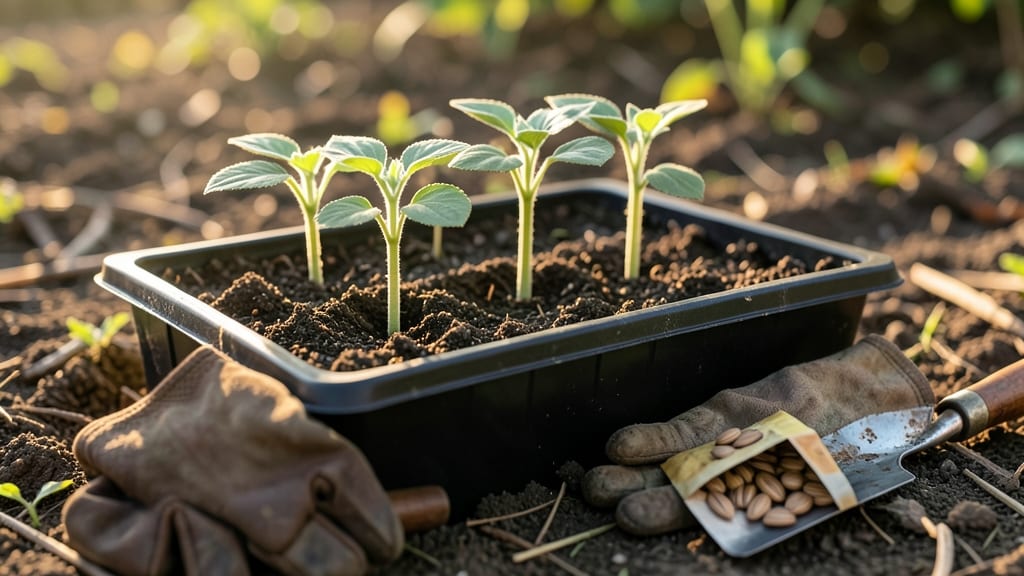
If you’ve ever dreamed of a garden bursting with towering 🌻 sunflowers that bloom in record time, you can plant sunflowers in Florida year-round—but getting the timing right is the key to avoiding wilted seedlings or missed blooms.
The good news? You can plant sunflowers in Florida year-round, but late winter to early spring (or late summer) gives them the best shot at thriving before summer’s relentless heat sets in.
Whether you’re in North Florida’s 8a zone or South Florida’s frost-free paradise, I’ll break down the exact months to start seeds, prep your soil, and choose heat-tolerant varieties like ‘Moulin Rouge’ for fast, bold blooms that last well into fall.
Skip the guesswork—let’s turn your Florida garden into a sunflower showstopper with these pro tips tailored to your heat zone.
Florida sunflower planting calendar by heat Zone: best months for fast, healthy growth
Florida’s diverse climate—from North Florida’s cooler winters to South Florida’s tropical heat—means sunflower planting windows vary dramatically. Unlike northern states, you can grow sunflowers year-round, but timing directly impacts bloom size and plant health.
In USDA Zones 8a–11, I’ve planted sunflowers in every season, but my best results come from two key windows: late winter/early spring and late summer.
North Florida gardeners (Zones 8a–9a) should focus on February–April planting to avoid late-winter frosts (even if rare) and summer heat stress. Meanwhile, South Florida (Zones 10a–11) can plant year-round, but August–September yields the most dramatic fall blooms before cooler weather arrives.
The key? Match your planting to your local last frost date and heat tolerance of your chosen variety.
🌱 Did You Know? Florida’s 11 heat zones (A1–B3) create microclimates where sunflowers thrive at different times. For example, Pensacola (Zone 8b) can plant in January, while Miami (Zone 11) can sow seeds in December—but both risk heat stress if planted too early.
For spring plantings, aim to sow seeds 4–6 weeks before your last frost date. In North Florida, that’s typically mid-February, while South Florida can start as early as January.
My go-to variety for spring is ‘Moulin Rouge’, a heat-tolerant dwarf that blooms in 60–70 days—perfect for escaping summer’s worst.
If you prefer fall sunflowers, plant in late summer (August) to enjoy blooms through October and November. This strategy works especially well in Central and South Florida, where cooler weather arrives later.
I’ve had ‘Autumn Beauty’ sunflowers bloom until December in Zone 10a—a stunning contrast to winter greenery.
One critical mistake I’ve seen Florida gardeners make? Planting sunflowers in June or July for summer blooms. While possible, the 90°F+ temperatures and high humidity stress seedlings, often leading to stunted growth or bolting (premature flowering).
Instead, opt for succession planting in August for fall blooms or shade-cloth protection if you’re determined to try summer sowing.
Soil temperature plays a huge role in germination. Sunflower seeds need soil at least 60°F (15°C) to sprout. In North Florida, wait until soil warms in March; in South Florida, even January plantings work if you use black plastic mulch to raise soil temps.
I always test soil with a soil thermometer—it’s a $10 tool that saves hours of guesswork.
For container gardening in Florida, timing shifts slightly. Pots heat up faster, so I plant 2–4 weeks later than in-ground to avoid root stress. Use lightweight, well-draining mix and 1-gallon pots for dwarf varieties like ‘Teddy Bear’, which thrive on balconies in South Florida year-round.
Finally, don’t overlook microclimates. Coastal areas (like Tampa or Fort Myers) stay warmer longer, while inland cities (like Gainesville or Orlando) have cooler nights. Adjust your planting by 1–2 weeks based on your local weather patterns.
My neighbor in Jacksonville plants in late February, while I in Orlando wait until early March—same state, different results!
How to extend your sunflower season in Florida: cool-season tricks for year-round blooms
Florida’s heat can be relentless, but with the right tricks, you can grow sunflowers almost year-round. The key is beating the summer heat while taking advantage of cooler months. Start by choosing heat-tolerant varieties like ‘Moulin Rouge’ or ‘Autumn Beauty,’ which thrive even when temperatures climb.
These varieties handle Florida’s humidity better than standard types, giving you more flexibility for planting.
For spring and fall plantings, aim for March-April or September-October when daytime highs are more manageable. These windows give your sunflowers time to mature before the worst heat arrives.
If you’re eager to plant earlier, use shade cloth (30-50%) during the hottest afternoon hours to protect young seedlings from scorching. Stake a lightweight shade cloth over your beds and remove it once plants are established.
Don’t underestimate the power of companion planting to regulate temperatures. Pair sunflowers with tall grasses like switchgrass or fast-growing crops like corn to create natural windbreaks and reduce heat stress. You can also interplant with low-growing herbs like basil or thyme, which help shade the soil and retain moisture.
This method works especially well in container gardens where you have more control over spacing.
For summer plantings, focus on soil moisture retention. Amend your soil with organic matter like compost or coconut coir before planting to improve water-holding capacity. Then, apply a 2-3 inch layer of mulch right after planting to lock in moisture and keep roots cool.
Water deeply in the early morning (before 10 AM) to minimize evaporation and fungal risks. Avoid evening watering, as damp foliage overnight can lead to powdery mildew, a common issue in Florida’s humid climate.
If you’re determined to grow sunflowers in peak summer, consider succession planting every 2-3 weeks. This strategy ensures a continuous harvest while spreading out the stress on your plants.
Start with a small batch of seeds, and as the first plants begin to bolt (send up flower stalks), sow another round. This way, you’ll always have some sunflowers in the vegetative stage that can handle the heat better than young seedlings.
Finally, keep an eye on the weather forecast and be prepared to act fast. If a heatwave over 95°F is predicted, provide temporary shade with lightweight row covers or even old bedsheets draped over hoops.
With these tricks, you can enjoy sunflowers blooming almost year-round in your Florida garden—even in the dog days of summer! 🌻