
Flowers
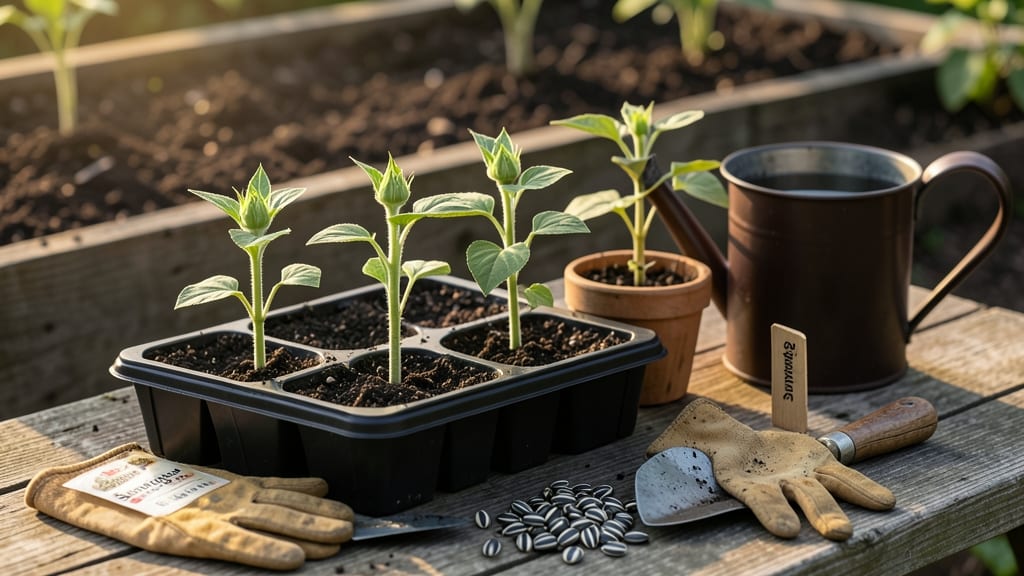
Planting sunflowers in Tennessee at the wrong time can mean watching your 🌻 dreams wilt before they even bloom—but timing it right guarantees a summer full of towering, cheerful faces reaching for the sky.
With Tennessee’s 6a-7b climate zones, frost dates that shift yearly, and soil that warms unevenly, knowing exactly when to plant is the key to success.
Most gardeners in the Volunteer State reach for their sunflower seeds between mid-April and mid-June, but that window can stretch earlier in West Tennessee’s warmer microclimates or wait until late April in the cooler East.
The secret? Waiting until the soil hits 50-55°F—when those seeds finally sprout, they’ll grow fast and strong, not just sit in cold earth.
You don’t need to start sunflowers indoors—just scatter those seeds 1 inch deep after the last frost, and they’ll shoot up in 7-10 days. But if you’re itching to get a head start, you can pop them in biodegradable pots 4-6 weeks before your target planting date.
Either way, the right timing means bigger blooms and happier pollinators by late summer.
From dwarf Teddy Bears to 12-foot giants, Tennessee’s sunflower varieties thrive when planted at the perfect moment. Let’s break down exactly when to dig in—so you can enjoy that golden harvest from August through October.
Tennessee’s ideal sunflower planting window by region (frost dates & heat zones)
Tennessee’s diverse climate means your sunflower planting timeline should align with your specific region—whether you’re in the cool mountain east, the moderate central valleys, or the warmer western plains.
Each zone has unique last frost dates and soil warmth triggers that determine when to plant for maximum growth.
For East Tennessee (USDA Zones 6a-6b), like Knoxville or Chattanooga, aim for mid-April to early May after the average last frost date of April 15th. The soil needs to reach 50-55°F for germination, which typically happens by early April in most years.
In Middle Tennessee (Zones 6b-7a), including Nashville and Murfreesboro, you’ve got a slightly longer window—late March to mid-May. The last frost usually occurs around April 1st, but soil warmth can lag behind due to Tennessee’s clay-heavy soils, which retain cold longer.
For West Tennessee (Zones 7a-7b), like Memphis or Jackson, you can start as early as late February to early April, with last frost dates around March 15th.
The warmer climate means faster soil warming, but giant varieties like ‘Russian Giant’ still need cooler spring temperatures to reach their full height.
| Region | USDA Zone | Last Frost Date | Ideal Planting Window | Soil Temp Trigger | Best Varieties |
|---|---|---|---|---|---|
| East TN | 6a-6b | April 15 | Mid-April to Early May | 50-55°F | ‘Teddy Bear’, ‘Moulin Rouge’ |
| Middle TN | 6b-7a | April 1 | Late March to Mid-May | 50-55°F | ‘Autumn Beauty’, ‘Procut’ |
| West TN | 7a-7b | March 15 | Late Feb to Early April | 55-60°F | ‘Russian Giant’, ‘Mammoth’ |
Pro tip: Use a soil thermometer to confirm warmth before planting. If your soil is still cold, wait—sunflower seeds won’t germinate until it’s consistently above 50°F. In cooler zones, consider black plastic mulch to warm the soil faster.
For late-season planting, you can still sow seeds in early July for fall blooms, but expect shorter stems. Dwarf varieties like ‘Little Becka’ work best in this scenario, as they mature faster in Tennessee’s shorter growing season.
Remember, Tennessee’s microclimates can shift planting windows by weeks. If you’re in a valley, frost may linger longer, while hilltops warm up faster. Always check your local Cooperative Extension Service for updates before planting.
Giant sunflowers need cooler spring temps to grow tall, so avoid planting them after mid-May in most regions. Dwarf varieties, however, can handle late plantings and still produce vibrant blooms by summer’s end.
Finally, if you’re growing sunflowers for seeds, plant them 4-6 weeks earlier than for cut flowers. This gives them extra time to mature before Tennessee’s first frost in mid-October.
🌻
How to time sunflower planting for maximum height & blooms (soil warmth secrets)
Sunflowers in Tennessee thrive when planted after the soil warms to 50-55°F—but testing this isn’t just about guessing. Cold, damp soil delays germination, leaving your seeds sitting in the dirt for weeks.
I’ve learned the hard way that soil temperature matters more than calendar dates, especially in Tennessee’s clay-heavy soils that retain cold longer.
For giant varieties like Russian Giant, wait until mid-May when soil warmth is guaranteed. Dwarf varieties like Teddy Bear can handle slightly cooler soil, so they’re safer to plant as early as late April. The key is consistency in warmth, not just the last frost date.
Cold soil delays germination by 2+ weeks, leaving sunflowers vulnerable to rot or pests. Tennessee’s clay soils stay cold longer—test before planting!
My foolproof method? The finger test: Stick your finger 2 inches deep into the soil. If it feels warm like bathwater, it’s ready. For precision, use a soil thermometer—I keep one handy for high-stakes plantings.
Pro tip: Morning soil temps are often 5-10°F cooler than afternoon, so check midday for accuracy.
Tennessee’s clay-heavy soils need extra attention. Amend with compost or sand to improve drainage—stagnant water around seeds causes rot. I mix in a 50/50 blend of native soil and compost, which also adds warmth faster. For containers, use a lightweight potting mix that warms up quicker than garden beds.
Direct-sowing is best for Tennessee’s short season. Starting seeds indoors gives you a 2-week head start, but only do this if your last frost is late (Zone 7b). For most of the state, plant seeds directly 1 inch deep after soil warms.
Space them 6 inches apart for dwarf varieties or 18 inches apart for giants—crowding stunts growth.
Water deeply after planting to settle seeds into warm soil. Use a soaker hose to avoid displacing seeds. Once sprouted, reduce watering to 1 inch per week—overwatering in warm soil leads to fungal issues. Mulch with straw or grass clippings to retain soil warmth and suppress weeds.