
Plants
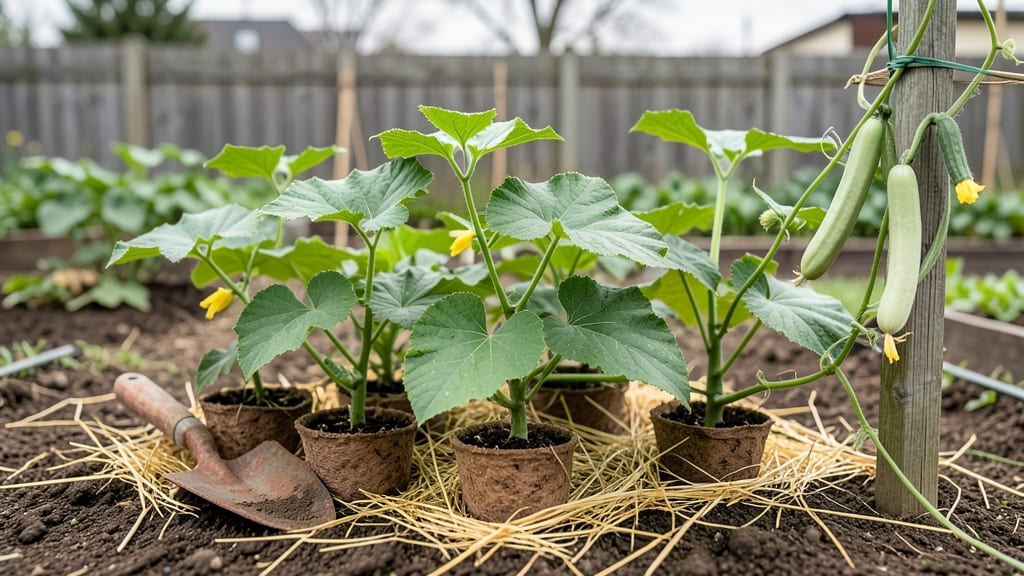
Knowing when to plant cucumbers in East Tennessee can mean the difference between a bumper crop of crisp, homegrown 🥒 and a sad, wilted disappointment.
With the right timing, you’ll enjoy fresh cucumbers from June through October—but get it wrong, and frost or heat stress will sabotage your harvest before it even starts.
East Tennessee’s USDA Zones 6b-7a bring unique challenges, from late spring frosts to sweltering summer heat. The key is planting after your last frost (around April 15) when soil temperatures hit 60°F—but not so late that your vines struggle to mature before fall.
I’ll break down the exact windows for both direct sowing and transplants, plus how to adjust for microclimates like Knoxville’s urban heat or the cooler Smoky Mountain foothills.
You might think all cucumbers thrive under the same conditions, but East Tennessee’s humidity and temperature swings demand a smarter approach. Whether you’re a first-time gardener or a seasoned grower, these zone-specific tips will help you time your planting perfectly for maximum yield and flavor.
Let’s get your cucumbers off to the best possible start!
Ready to avoid common mistakes like planting too early (and risking frost damage) or too late (and missing the harvest window)?
I’ll show you how to read your soil’s temperature cues, choose the right varieties for your elevation, and even spot the warning signs of heat stress before it’s too late. Your garden’s best cucumber season starts with the right timing!
Best planting dates for cucumbers in East Tennessee by zone (6b-7a)
East Tennessee’s USDA Zones 6b-7a offer a 180-day frost-free season, but cucumbers need precise timing to thrive. The last average frost date ranges from March 15 (valleys) to April 15 (mountains), so your planting window depends on elevation and microclimate.
For direct sowing, wait until soil temperatures hit 60°F+—typically mid-April in lowlands and late April in higher areas.
If you’re using transplants, start them indoors 4-6 weeks before your last frost date. In East Tennessee, this means sowing seeds indoors by mid-February for early transplants. Harden off seedlings before moving them outside after May 1, once nighttime temps stay above 50°F consistently.
Here’s your zone-specific planting schedule for East Tennessee:
| Zone | Last Frost Date | Direct Sowing Window | Transplant Window | Soil Temp Requirement |
|---|---|---|---|---|
| 6b (Knoxville, Chattanooga) | March 15 - April 1 | April 15 - May 1 | May 1 - May 15 | 60°F+ |
| 7a (Johnson City, Asheville) | March 22 - April 5 | April 20 - May 5 | May 5 - May 20 | 60°F+ |
| High Elevation (Gatlinburg, 3000+ ft) | April 15 - May 1 | May 10 - June 1 | June 1 - June 10 | 65°F+ |
For extended harvests, consider succession planting every 2 weeks until June 15. This ensures a steady supply of cucumbers from June through October. Choose heat-tolerant varieties like ‘Straight Eight’ or ‘Marketmore 76’ for East Tennessee’s summer heat, which can push soil temps to 85°F+.
If you’re in a microclimate with early warming (like urban Knoxville), you can plant 2 weeks earlier than the average date. Use a soil thermometer to confirm temps—cucumbers won’t germinate below 60°F. For cooler high-elevation areas, opt for bush varieties like ‘Bush Champion’ to reduce heat stress risks.
Pro tip: Use black plastic mulch to warm soil faster in Zone 6b areas. This can shave 1-2 weeks off your planting timeline by raising soil temps by 5-10°F. Just remove it if nighttime temps dip below 50°F to avoid frost damage.
For container growing, plant after May 15 in East Tennessee, as pots heat up faster and dry out quicker. Use 5-gallon containers with well-draining soil and place them in full sun spots. Containers also let you move plants to shadier areas during peak July heat if needed.
Remember, late summer planting (after July 15) is risky in East Tennessee due to powdery mildew and heat stress. If you must plant late, use resistant varieties like ‘Armenian’ cucumbers and provide afternoon shade with 30% shade cloth.
🌱
How to adjust planting for East Tennessee’s microclimates (valleys vs. mountains)
East Tennessee’s diverse geography means your cucumber planting schedule should vary dramatically between Knoxville’s urban valleys and the Smoky Mountain foothills. In lowland areas like Knox County, soil warms 2-3 weeks earlier than high-elevation zones, while Gatlinburg’s 3,000+ ft elevation delays planting by 4-6 weeks.
Understanding these microclimates helps you pick the right varieties and soil prep for success.
For valley regions (e.g., Chattanooga, Kingsport), start direct sowing March 20–April 5—soil hits 60°F by early April. Use heat-tolerant varieties like ‘Straight Eight’ or ‘Lemon Cucumber’ to handle summer’s 90°F+ spikes.
In contrast, mountain areas (e.g., Sevierville, Townsend) should wait until May 1–15 when frost risk drops below 10%. Here, opt for shorter-season varieties like ‘Bush Champion’ to mature before first frost (October 20).
| Region | Last Frost Date | Ideal Planting Window | Soil Warm-Up Strategy | Recommended Varieties |
|---|---|---|---|---|
| Valley (Knoxville, Chattanooga) | March 15–April 1 | March 20–April 15 | Black plastic mulch + row covers | Straight Eight, Marketmore 76 |
| Foothills (Sevierville, Pigeon Forge) | April 1–15 | April 15–May 1 | Straw mulch + cold frames | Bush Champion, Diva |
| Mountains (Gatlinburg, Townsend) | May 1–15 | May 1–15 | Greenhouse starts + shade cloth | Sweet Success, Tyria |
In urban heat islands (like downtown Knoxville), asphalt and concrete can raise soil temps by 5–10°F, letting you plant 10–14 days earlier. Use reflective mulch to prevent heat stress in July.
Meanwhile, mountain gardens often need shade cloth (30–50%) to protect cucumbers from intense afternoon sun after planting. Test soil temps with a thermometer—cucumbers won’t germinate below 60°F, even in warm microclimates.
For high-altitude areas, extend your season with row covers or greenhouses. Plant cold-tolerant varieties like ‘Northern Pickling’ in late April under protection, then remove covers when temps hit 70°F. In valleys, succession plant every 2 weeks from April to June to stagger harvests.
Avoid planting after July 15—summer’s humidity and heat increase powdery mildew risks, and vines struggle to mature before frost.
Pro tip: Monitor local weather stations (like the NWS Climate Prediction Center) for unexpected frost warnings in May. In 2022, a late frost in Gatlinburg delayed planting by 3 weeks—always have a backup plan for high-elevation gardens.
Adjust your watering schedule too: valleys need daily watering in July, while mountains may only require every 3–4 days due to cooler temps.
By tailoring your planting dates, varieties, and soil strategies to your microclimate, you’ll double your cucumber yield and avoid common pitfalls like blossom end rot or stunted growth.
Start with a soil test (pH 6.0–6.8 is ideal) and amend with compost—this makes all the difference in East Tennessee’s varied growing conditions. 🌱