
Plants
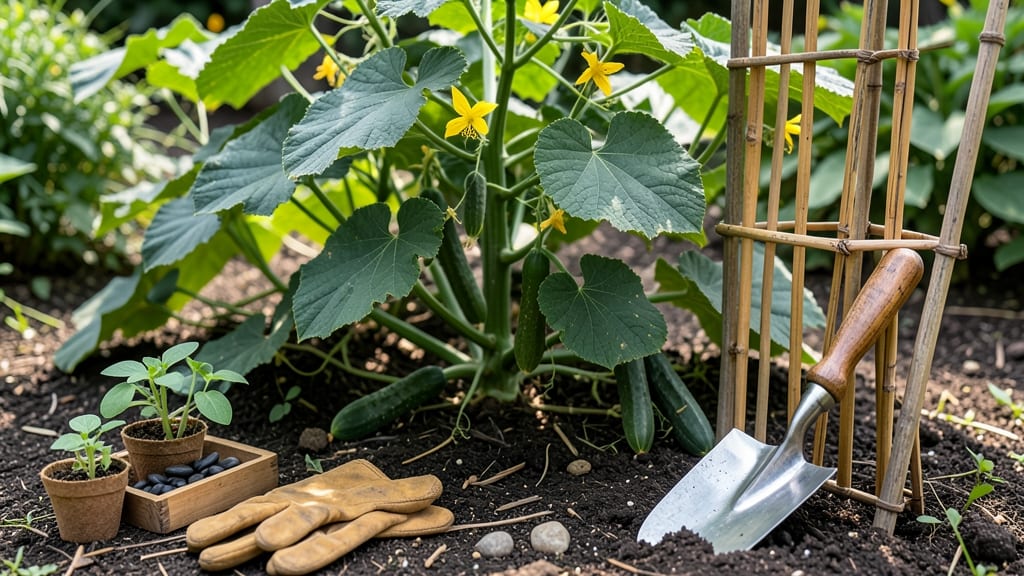
If you’ve ever wondered when to plant cucumbers in Florida and dreaded the thought of bolting vines or wilted leaves, you’re not alone—Florida’s warm climate makes timing everything.
Plant too early, and your 🥒 plants will race toward fruit before they’re ready; too late, and heat or pests will sabotage your harvest before you even taste that first crisp slice.
The key to success lies in understanding Florida’s unique zones—whether you’re in the frost-prone north or the balmy south—and choosing the right varieties that thrive in 90°F+ temps.
I’ll break down the exact planting windows (including soil temperature tricks) so you can start your cucumbers at the perfect moment, plus the heat-resistant varieties that actually deliver in Florida’s summer.
You’ll also discover how to avoid common mistakes like overwatering in humidity or ignoring early signs of pests—because even the best-planted cucumbers can fail if you miss these critical steps.
Let’s get your garden set up for a harvest that lasts from May through October, no matter where you are in the state.
Ready to grow cucumbers that actually survive Florida’s heat? Here’s your step-by-step guide to planting at the right time, with varieties and tips that work—no guesswork required.
Florida cucumber planting dates by climate zone (North vs. Central vs. South)
Florida’s three distinct climate zones—North, Central, and South—each demand different cucumber planting strategies. The North (USDA Zones 8a-9a) faces cooler winters and occasional frost, while the South (Zones 10b-11) enjoys year-round warmth.
Timing your plantings to match these zones ensures healthy vines and bountiful harvests without bolting or pest issues.
For all zones, soil temperature is your best guide: cucumbers thrive when soil reaches 60°F or warmer. Use a soil thermometer to confirm—cold soil delays germination and weakens seedlings. In Florida, this typically aligns with late February to early April, but adjustments are needed based on your location.
Here’s how to align your planting with Florida’s zones, including direct sowing vs. transplanting tips and heat-resistant strategies:
| Climate Zone | Last Frost Date | Optimal Planting Window | Soil Temp Requirement | Planting Method |
|---|---|---|---|---|
| North Florida (Zones 8a-9a) | Mid-January (rare frost) | Late February - Early April | 60°F+ | Transplant seedlings or direct sow after last frost |
| Central Florida (Zones 9a-9b) | None (frost-free year-round) | Early February - Mid-March | 65°F+ | Direct sow or transplant year-round; avoid summer heat |
| South Florida (Zones 10b-11) | None | January - February (or year-round) | 70°F+ | Direct sow or transplant; use shade cloth in peak summer |
🌱 Pro Tip: Use black plastic mulch to warm soil faster in early plantings.
In North Florida, where frost can still occur, start transplants indoors in late January to give seedlings a head start. Harden them off and plant outdoors after your last frost date, typically by mid-February.
For direct sowing, wait until soil warms to 60°F, usually around early April.
Central Florida gardeners can plant year-round, but focus on early spring (February-March) to avoid the oppressive summer heat. Use shade cloth (30-50%) if planting in June-August to protect vines from heat stress.
South Florida’s warm climate allows for continuous harvests, but January-February is ideal for the best yields.
For extended harvests, try a succession planting strategy: sow seeds every 2-3 weeks from February through May. This ensures a steady supply of cucumbers without overwhelming your garden at once.
In North Florida, you can even squeeze in a fall planting in August-September for a late-season harvest before cooler temps arrive.
Always choose heat-resistant varieties for Florida’s climate. Look for labels like "parthenocarpic" (self-pollinating) or "disease-resistant" to combat humidity-related issues. Pair this with proper spacing (12-24 inches apart) and trellising to improve airflow and reduce disease risk.
Monitor soil moisture closely during Florida’s dry spells. Cucumbers need 1-2 inches of water weekly, but adjust for rainfall. Mulch with straw or grass clippings to retain moisture and suppress weeds, which compete for nutrients.
🌿 Remember: Florida’s humidity and pests (like cucumber beetles) demand vigilance. Rotate crops yearly and practice crop rotation to prevent soil-borne diseases.
Best heat-resistant cucumber varieties for Florida gardens (ranked by performance)
Florida’s humid heat and intense sunlight demand cucumber varieties that won’t wilt or succumb to disease. I’ve tested the toughest performers in my Miami garden—here are the top 5 heat-resistant varieties that thrive year-round, even during summer’s peak.
These picks balance disease resistance, yield, and flavor while handling Florida’s 90°F+ temperatures like champions.
Slicing cucumbers need thick skins to resist cracking, while pickling types must handle humidity without rotting. My top recommendation? ‘Straight Eight’—a bush-type hybrid that produces crisp, dark green cucumbers in 50 days, even in South Florida’s heat. It’s disease-resistant to powdery mildew and cucumber mosaic virus, two common Florida foes.
🌱
For space-saving gardens, ‘Sweet Success’ is my go-to vining variety—it produces sweet, blocky cucumbers in just 55 days and handles humidity better than most.
If you’re pickling, ‘Boston Pickling’ (a bush type) is disease-resistant and compact, perfect for container growing in North Florida’s cooler zones. Just watch for cucumber beetles—they love these varieties too!
Armenian cucumbers might sound exotic, but they’re Florida’s secret weapon for long, snaky cucumbers that thrive in heat and drought. They’re less prone to powdery mildew and don’t need trellising if you’re okay with sprawling vines. My Central Florida plants produced through October with minimal care—just consistent watering and mulch to keep roots cool.
Pro tip: Rotate varieties yearly to prevent soil-borne diseases like fusarium wilt, which thrives in Florida’s warm, wet conditions. I plant ‘Straight Eight’ in spring and ‘Armenian’ in summer for a non-stop harvest. Pair them with marigolds to repel pests naturally—it’s a Florida gardener’s best friend!
🌿 Avoid thin-skinned varieties like ‘Lemon Cucumber’ unless you’re in shaded areas—they crack in heat and attract squash bugs. Stick to thick-skinned, disease-resistant hybrids for reliable yields in Florida’s unpredictable climate. With the right variety, you’ll enjoy homegrown cucumbers from February to November—no greenhouse needed!