Plants
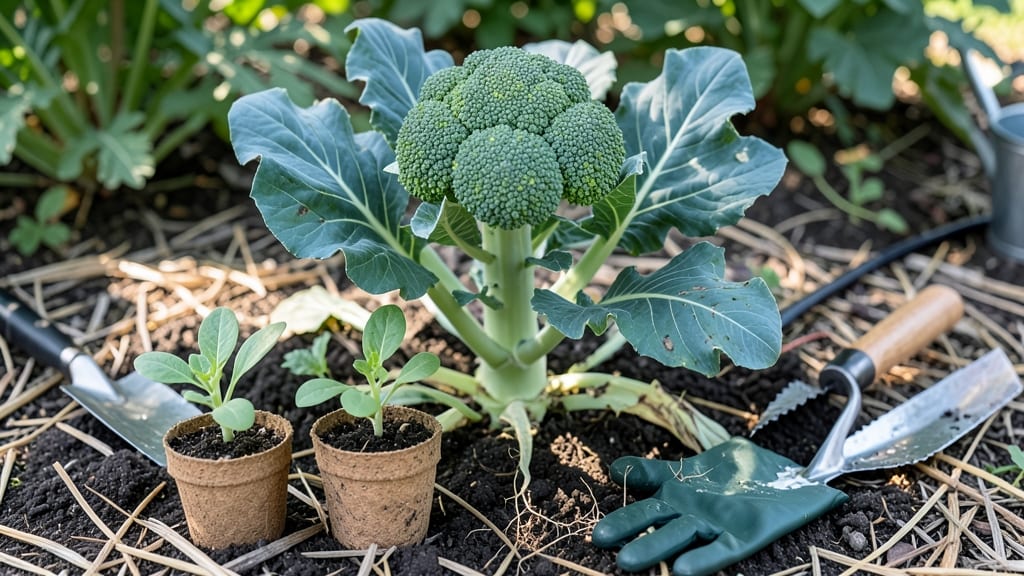
Optimal broccoli planting dates in North Florida by microclimate (coastal vs inland)
North Florida’s USDA Zones 8a-9a offer a narrow window for growing cool-season crops like broccoli. Unlike northern states, you won’t face harsh freezes, but heat stress and humidity can still ruin your harvest if you plant at the wrong time.
Coastal areas like Jacksonville experience milder winters with warmer soil temperatures, while inland cities like Gainesville and Tallahassee have cooler nights and drier air. These microclimates shift your ideal planting dates by 2-4 weeks—getting it right means the difference between a bountiful harvest and bitter disappointment.
Broccoli thrives in 60-80°F soil temperatures, which North Florida typically hits twice a year: fall (September-October) and spring (February-March). Planting too early in spring risks bolting from warm daytime temps, while fall plantings must avoid the first frost (usually mid-November).
The key is timing your seeds or transplants so they mature before summer heat or winter chills set in. Let’s break down the best windows for coastal vs. inland North Florida.
| Microclimate | Fall Planting Window | Spring Planting Window | Harvest Window | Key Considerations |
|---|---|---|---|---|
| Coastal (Jacksonville) | Late August - Early September | Late February - Early March | November - December (fall) / May - June (spring) | Warmer soil; risk of humidity-related diseases. |
| Inland (Gainesville) | Early August - Mid-August | Mid-February - Late February | October - November (fall) / April - May (spring) | Cooler nights; drought risk in late spring. |
| Panhandle (Tallahassee) | Mid-August - Late August | Early March | October - December (fall) / May (spring) | Longer frost-free season; soil stays warm longer. |
If you’re in Jacksonville or coastal areas, aim to plant broccoli seeds 4-6 weeks earlier than inland regions because the soil warms faster near the ocean. For example, while Gainesville gardeners might start seeds indoors in mid-July, coastal gardeners can direct-sow in late July without risking heat stress.
Conversely, Tallahassee’s longer frost-free season lets you push your spring planting into early March, giving you an extra month of harvest time compared to Jacksonville.
For direct sowing, coastal gardeners should plant seeds 1/4 inch deep and keep soil moist until germination (5-10 days). Inland areas benefit from starting seeds indoors 6-8 weeks before transplanting to avoid the heat spike of late spring.
Pro tip: Use black plastic mulch to warm soil faster in cooler inland zones, or shade cloth to protect coastal seedlings from harsh afternoon sun.
One common mistake is assuming all broccoli varieties thrive equally in North Florida. Heat-tolerant varieties like 'De Cicco' or 'Calabrese' perform better in coastal areas, while cold-hardy types such as 'Waltham 29' suit inland regions.
Always check the days to maturity on seed packets—aim for 50-60 days to harvest before summer heat arrives. For example, if you plant 'Calabrese' in early September, it should be ready by mid-November, just before frost.
Monitor your local Almanac frost dates and adjust by 1-2 weeks based on your microclimate. Coastal areas can often push harvests into early December, while inland gardeners should pull plants by mid-November to avoid frost damage.
Use row covers to extend your season by 2-3 weeks in fall or protect early spring plantings from unexpected cold snaps.
Remember: Broccoli hates heat. If daytime temps exceed 85°F for more than a few days, your plants will bolt (send up flower stalks) and become bitter. Coastal gardeners should prioritize shade cloth in late spring, while inland gardeners might need to succession plant every 2 weeks to stagger harvests.
With the right timing, you can enjoy fresh broccoli from November through May—just don’t wait until June
How to extend broccoli season in North Florida without risking bolting
North Florida’s short cool season means broccoli bolting is a real threat—those 60-90°F spells can send your plants flowering before you get a single head. The key is working with the climate, not against it.
I’ve found that combining shade protection, succession planting, and the right varieties can stretch your harvest window by 4-6 weeks without risking bitter or flowery heads.
Start by choosing heat-tolerant varieties like 'De Cicco' (Italian heirloom) or 'Calabrese' (classic green). These handle 85°F better than standard types and give you a 10-14 day grace period before bolting kicks in.
For coastal areas like Jacksonville, pair these with 30-40% shade cloth during peak afternoon heat (12-4 PM) to keep soil temps below 80°F.
- Late August: Sow first batch for October-November harvest (use shade cloth).
- Mid-September: Transplant second batch for December-January harvest.
- Early February: Direct sow third batch for April-May harvest.
- Mid-February: Transplant final batch for May-June harvest (cooler spring temps help).
For inland areas like Gainesville or Tallahassee, focus on soil temperature management. Broccoli roots thrive at 60-70°F—any hotter and growth stalls. I mulch with 3-4 inches of straw right after planting to insulate roots, then top-dress with compost tea every 2 weeks to boost microbial activity.
This keeps soil 5-10°F cooler than ambient air temps.
Another trick? Container gardening with 5-gallon grow bags. Move pots to shaded areas during heatwaves and bring them back to full sun when temps drop below 85°F. I’ve had success with this in Zone 8b—my spring broccoli heads stayed firm until mid-June instead of bolting in May.
Watch for side shoots after harvest—they’re your free second crop! When you cut the main head, leave 4-6 inches of stem and water deeply. Within 3-4 weeks, you’ll get 3-5 smaller heads per plant.
Just be ready to harvest these before they get woody, usually by late November for fall plantings.
Timing is everything: Plant your last batch by February 15 to avoid spring heat stress. Use a planting calendar with local frost dates—my Jacksonville garden gives me 240 frost-free days, but I only get 3-4 true harvest windows if I’m strategic.
The payoff? Fresh broccoli from October through June instead of just November-December.