
Plants
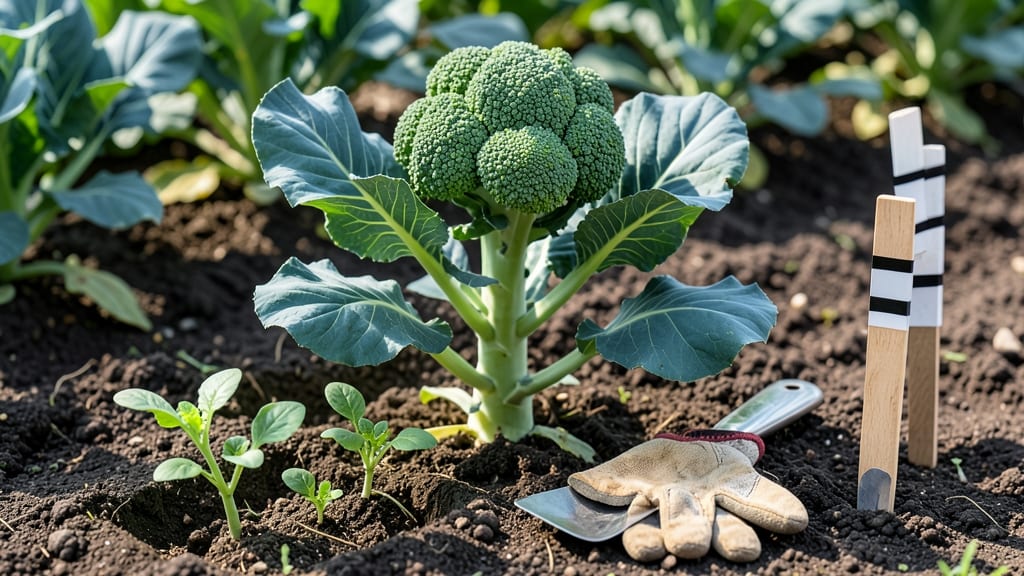
If you've ever planted broccoli 🥦 in Zone 6 only to watch it bolt into bitter flowers before harvest, you're not alone. The key to avoiding this common mistake lies in precise timing—something most gardeners get wrong by planting too early or too late.
In Zone 6 (6a/6b), where last frost typically arrives around mid-April, the window for planting broccoli is narrow but critical. Plant too soon, and your plants will bolt from cold stress; wait too long, and summer heat will trigger the same problem.
The solution? A 4-6 week head start before your last frost date.
I'll break down the exact weeks to plant for both spring and fall harvests, plus how to adjust for your specific microclimate. Whether you're a first-time gardener or a seasoned pro, these insights will help you grow bolt-free broccoli every season.
Ready to transform your garden from frustrating to flourishing? Let's dive into the perfect planting schedule that actually works in Zone 6.
Best planting weeks for broccoli in Zone 6 to avoid bolting
In Zone 6, broccoli thrives when planted at precise times to avoid bolting—the bitter, flowery fate that ruins your harvest. The key is timing: plant too early, and cold snaps stunt growth; too late, and heat triggers premature flowering.
For spring broccoli, aim for 4-6 weeks before your last frost date (typically March 15–April 15 in most of Zone 6).
For fall broccoli, sow seeds 80–90 days before your first frost (usually August 1–September 1). This gives plants enough time to mature before winter sets in. Adjust these windows by ±10 days based on your local microclimate—urban areas may warm faster than rural spots.
Here’s the breakdown of your Zone 6 broccoli planting schedule, including soil temperature and frost considerations to keep your plants happy and productive:
| Planting Window | Best Time to Plant | Soil Temp (°F) | Days to Maturity | Frost Risk |
|---|---|---|---|---|
| Early Spring | March 15–April 15 | 40–50°F | 60–90 days | Low (after last frost) |
| Late Summer | August 1–September 1 | 50–60°F | 60–80 days | Moderate (before first frost) |
| Head-Start Transplants | February (indoors) → March 15 (outdoors) | 60–70°F (indoors) | 70–90 days | None (controlled) |
| Succession Planting | Every 2–3 weeks (April–July) | 50–60°F | 60–75 days | Low (staggered) |
If you’re using transplants instead of direct sowing, start seeds indoors 6–8 weeks before your last frost date. Harden them off for 7–10 days before transplanting into the garden. This gives your broccoli a 2–3 week head start, reducing bolting risk from sudden temperature swings.
For direct sowing, wait until soil temperatures are consistently above 40°F (use a soil thermometer to check). In Zone 6, this usually aligns with mid-April for spring plantings. If you’re in a cooler microclimate (like Zone 6a), delay until late April to avoid frost damage.
Pro tip: Use black plastic mulch or straw mulch to warm soil faster in spring. This can shave 1–2 weeks off your planting timeline, giving you an earlier harvest. Just remove the mulch once plants are established to prevent overheating.
Bolting is triggered by heat stress or long days, so avoid planting broccoli in late spring (May–June) unless you’re growing fast-maturing varieties like ‘De Cicco’ (ready in 45–50 days). Even then, prioritize shade cloth during peak afternoon sun to keep temps below 80°F.
Remember: Zone 6’s short growing season means you’ll likely get one main spring crop and one fall crop per year. Plan accordingly, and don’t forget to rotate crops to prevent soil-borne diseases like clubroot, which loves broccoli.
Best planting weeks for broccoli in Zone 6 to avoid bolting
In Zone 6, broccoli thrives when planted at precise times to avoid bolting—the bitter, flowery fate that ruins harvests. The last frost date (typically around April 15) is your anchor, but microclimates can shift this by 2 weeks.
For spring plantings, aim to sow seeds 4-6 weeks before your last frost, while fall crops need 3 months before the first frost (usually October 15).
Direct-sowing seeds too early risks cold damage, while planting too late triggers heat stress. Transplants give you a 2-week head start, so start them indoors 6-8 weeks before your last frost.
My Zone 6 garden has yielded the best results with March 15-April 1 for spring and August 15-September 1 for fall plantings.
🌱 Zone 6 Broccoli Planting Timeline
| Stage | Action | Best Time |
|---|---|---|
| Spring Direct Sow | Sow seeds | March 15-April 1 |
| Spring Transplants | Transplant seedlings | April 1-April 15 |
| Fall Direct Sow | Sow seeds | August 15-September 1 |
| Fall Transplants | Transplant seedlings | September 1-September 15 |
💡 Pro Tip: Use a soil thermometer—broccoli seeds need 40°F+ soil to germinate.
For microclimates (like sheltered valleys or urban heat islands), adjust by 1-2 weeks. If your area has late frosts, opt for cold-hardy varieties like ‘Waltham 29’ and plant 2 weeks later.
I’ve seen neighbors in Zone 6a push spring plantings to April 15 with row covers, while Zone 6b gardeners start as early as March 1.
Soil temperature matters just as much as air temperature. Broccoli seeds won’t sprout below 40°F, and soil should stay 60-70°F for optimal growth. Use a black plastic mulch to warm cold soils faster in spring or straw mulch to cool overheated soil in late summer for fall plantings.
Succession planting every 2 weeks after your initial sowing ensures a continuous harvest. For example, if you plant March 15, follow with March 29 and April 12 sowings. This staggered approach prevents overwhelming bolting when all plants mature simultaneously.
Remember: Heat stress (above 80°F) causes bolting just as surely as cold. In Zone 6’s hot summers, prioritize shade cloth or drip irrigation to keep plants cool. My fall broccoli always thrives because late-season temps stay mild—ideal for 60-70°F growing conditions.