
Plants
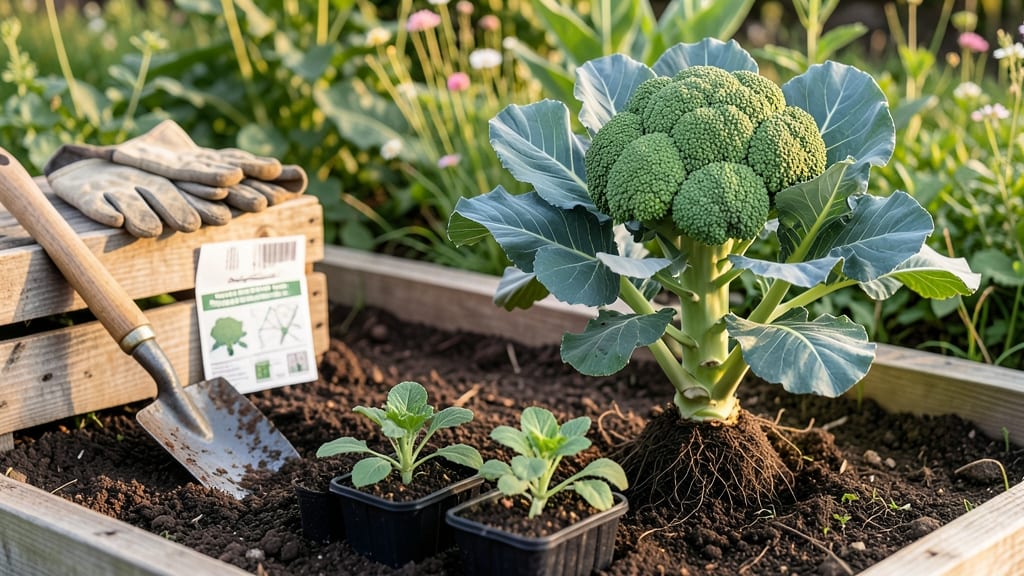
Utah’s broccoli planting calendar: exact spring & fall deadlines by region
Utah’s diverse climate—from the high desert of St. George to the cooler valleys of Salt Lake City—means your broccoli planting timeline should vary by region. Northern Utah (USDA Zones 5-6) has a shorter growing season, while southern Utah (Zone 7) enjoys slightly warmer conditions.
Timing is everything to avoid bolting (premature flowering) or frost damage.
For spring plantings, aim to sow seeds or transplant seedlings 4-6 weeks before your last frost date. In northern Utah, this typically means mid-March to early April, while southern Utah can start slightly earlier, around late February.
Soil temperature should be at least 40°F for seeds to germinate properly.
Fall plantings are your second chance for a harvest. Start seeds or transplant 90 days before your first frost, which usually falls in mid-October for northern Utah and late October for southern Utah.
This means planting in late July to early August for a fall harvest before winter sets in.
Here’s a quick reference for your region:
| Region | Spring Planting Window | Fall Planting Window | Last Frost Date | First Frost Date |
|---|---|---|---|---|
| Northern Utah (Salt Lake City, Ogden) | Mid-March to early April | Late July to early August | April 15 | October 15 |
| Southern Utah (St. George, Cedar City) | Late February to March | Early to mid-August | March 15 | October 30 |
| High Elevation (Park City, Logan) | Late March to April | Early August | May 1 | September 30 |
If you’re unsure about your local frost dates, check the National Weather Service or your local cooperative extension office. They provide updated forecasts and historical data tailored to your area.
For example, Salt Lake City averages 120 frost-free days, while St. George enjoys 150+ days, giving you more flexibility for fall plantings.
For direct sowing, broadcast seeds ¼ inch deep in well-drained soil with a pH of 6.0-7.0. If transplanting, choose 4-6 week old seedlings and harden them off for a week before planting.
Space plants 18-24 inches apart in rows 2-3 feet apart to allow airflow and reduce disease risk.
In northern Utah, where nights can still dip below freezing, consider using row covers or cold frames to protect young plants. In southern Utah, where heat arrives early, opt for shade cloth during peak afternoon sun to prevent stress.
Both strategies help you extend your growing season and maximize your harvest.
Pro tip: Succession planting every 2 weeks in spring and fall ensures a steady supply of broccoli. This works especially well in Utah’s short season, where you can stagger plantings to avoid a glut or shortage of heads.
Remember, soil temperature is just as critical as air temperature. Use a soil thermometer to confirm it’s at least 40°F for seeds or 50°F for transplants. Cool soil slows germination, so don’t rush—wait for the right conditions to set your broccoli up for success.
With these regional deadlines in mind, you’re ready to plant broccoli that thrives in Utah’s unique climate. Next, we’ll explore how to extend your season even further with protective gear and smart variety choices.
How to extend your broccoli season in Utah’s harsh climate
Utah’s short growing season and extreme temperature swings can make broccoli growing feel like a losing battle. But with the right strategies, you can stretch your harvest from early spring to late fall—even in high-desert climates where summer heat arrives early.
The key? Heat tolerance, season extension, and succession planting.
Start by choosing heat-tolerant varieties like ‘Waltham 29’ or ‘De Cicco’, which handle Utah’s sudden heat spikes better than standard types. These varieties can survive temperatures up to 85°F without bolting, giving you a fighting chance in June and July when most broccoli gardens fail.
🌱 Pro Tip: Plant fast-maturing varieties (50-60 days to harvest) in late July for a fall crop. This avoids the brutal August heat while still beating the first frost.
- 🌡️ Use row covers in spring and fall to protect from late frosts (April) and early chills (October). Lightweight fabric raises soil temps by 5-8°F.
- 🌱 Cold frames extend harvests by 3-4 weeks in both directions. Place them over fall-planted broccoli to trap heat and delay frost damage.
- 💧 Drip irrigation with mulch keeps roots cool in summer. Apply 2-3 inches of straw to retain moisture and block heat.
- 🔄 Succession plant every 2 weeks from March to August. Start with transplants (faster) and follow with direct sowing for continuous harvests.
For high-altitude gardeners in Park City or Logan, focus on early spring plantings (mid-March) and late summer succession (August 1). These areas have 100-120 frost-free days, so prioritize quick-maturing varieties.
In St. George or Moab, where summers last longer, opt for shade cloth (30-50%) to protect plants from 100°F+ heat.
Don’t overlook container gardening—it’s perfect for Utah’s urban yards. Use 5-gallon pots with moisture-retentive soil and move them to shaded patios during peak afternoon heat. This gives you flexibility to adjust as temperatures shift unexpectedly.
🌿 Remember: Broccoli needs consistent moisture to avoid bolting. In Utah’s dry air, water deeply twice weekly rather than light daily sprinkles. A soil moisture meter ($10 at garden centers) is your best friend for precision.