
Plants
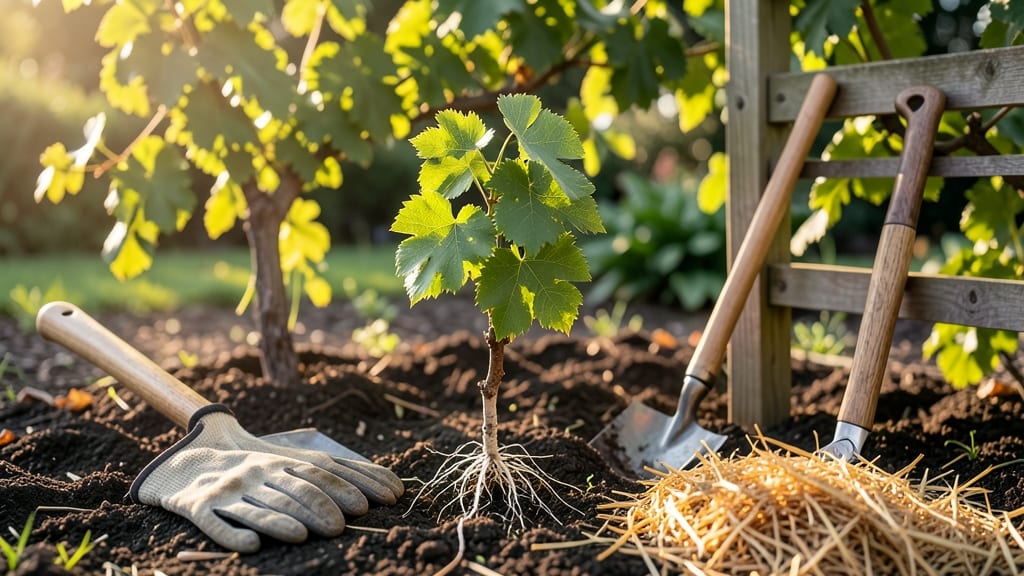
Planting grapes in NC at the wrong time could mean frost damage—or a bumper crop. With North Carolina’s varied climate zones (6b-8a), timing matters more than you might think. Whether you’re growing muscadines in the Piedmont or vinifera along the coast, getting the frost dates right is the key to healthy vines and sweet harvests.
Most gardeners in NC plant their 🍇 vines in late winter to early spring (February–April) or fall (September–October), but your exact window depends on your county. Mountain regions like Asheville face earlier frosts than coastal areas like Wilmington, so planting too soon could leave your young vines vulnerable.
I’ll break down the perfect planting schedule for your specific location, including soil prep tips to ensure your grapes thrive.
You might be tempted to plant early for a head start, but rushing it can backfire—especially with black rot risks in humid areas. The secret? Waiting until soil temps hit 50°F and choosing the right variety for your microclimate.
I’ll also share how to adjust for container planting if space is limited, so you can grow grapes even in small yards or urban gardens.
Ready to avoid common mistakes and set your vines up for success? Let’s dive into the frost-date map by county and the exact timing that’ll give you the best harvest from August to October. Your future grape harvest starts with the right planting window!
NC frost-dates by county: best planting windows for grapes
North Carolina’s diverse climate means your grapes won’t thrive if planted at the wrong time. The last frost date varies wildly—from March 1 in the mountains to April 15 along the coast.
Planting too early risks frost damage, while waiting too long delays vine establishment. Let’s break down the perfect planting windows by county and grape type.
For spring planting (best for bare-root vines), aim for 2-4 weeks before your county’s last frost date. Fall planting (ideal for container-grown vines) should happen 6-8 weeks before first frost.
Muscadines, NC’s native grapes, are hardier than vinifera and can tolerate slightly later spring plantings, but hybrids need precision.
Pro Tip: Use the NC State Climate Office’s frost maps (linked below) to pinpoint your exact county’s average last frost date. Bookmark this for future reference—it’s your garden’s lifeline!
🍇 NC Grape Planting Windows by Region
| Region | Last Frost Date | First Frost Date | Spring Planting Window | Fall Planting Window |
|---|---|---|---|---|
| Mountains (Asheville, Boone) | March 1-15 | October 15-30 | February 15-April 1 | September 1-October 15 |
| Piedmont (Raleigh, Greensboro) | March 15-April 1 | November 1-15 | March 1-April 15 | September 15-November 1 |
| Coastal (Wilmington, Fayetteville) | April 1-15 | November 15-30 | March 15-April 30 | October 1-November 15 |
*Adjust 1-2 weeks earlier for high-elevation sites or later for sheltered microclimates.
If you’re in the mountains (USDA zones 6b-7a), muscadines like ‘Scuppernong’ are your best bet—they handle colder winters better than vinifera. For the coastal plain (zones 7b-8a), hybrids like ‘Norton’ thrive with longer growing seasons. Always check the NC Extension’s variety recommendations for your specific county.
For container planting, extend your fall window by 2-4 weeks—pots insulate roots and protect against early frosts. Just ensure your container has drainage holes and move it to a garage or cold frame if temps drop below 20°F.
I’ve had container grapes survive winters in Raleigh with this method!
One critical mistake I see? Planting vinifera grapes too early in the Piedmont. These tender vines can’t handle late spring frosts (which hit April 10-20 in many areas). Wait until after April 15 or use row covers for extra protection. Your harvest depends on it!
Need a quick reference? Bookmark this table and check your county’s last frost date before buying vines. Pro move: Call your local NC Cooperative Extension office—they’ll give you hyper-local advice based on recent weather patterns. Happy planting!
How to adjust planting for NC’s microclimates (mountains vs. Piedmont vs. coast)
North Carolina’s three distinct regions—mountains, Piedmont, and coast—each demand unique planting strategies for grapes. Elevation, humidity, and soil types create microclimates that shift frost dates and growing conditions dramatically. Let’s break down how to adapt your planting schedule for each zone to avoid frost damage or heat stress.
In the mountain region (USDA zones 6b-7a), like Asheville or Boone, grapes face earlier frosts and shorter growing seasons. Plant bare-root vines in early spring (March-April) after the last frost, typically around April 15.
For fall planting, aim for September 1-15 to allow vines to establish roots before October’s first frost. Use row covers or cold frames to extend the season if needed.
Mountains (Zones 6b-7a)
- ✅ Pros: Cooler temps reduce pest pressure (e.g., Japanese beetles).
- ✅ Pros: Ideal for cold-hardy varieties like Norton or Concord.
- ⚠️ Cons: Shorter frost-free season (150-180 days).
- ⚠️ Cons: Soil drainage can be poor in valleys.
Piedmont (Zones 7a-7b)
- ✅ Pros: Longer growing season (180-210 days).
- ✅ Pros: Well-drained loamy soils suit most varieties.
- ⚠️ Cons: Higher humidity increases disease risk (e.g., black rot).
- ⚠️ Cons: Heatwaves can stress vines in summer.
Coastal (Zones 8a-8b)
- ✅ Pros: Mild winters allow fall planting until November.
- ✅ Pros: Longer harvest windows (August-October).
- ⚠️ Cons: High humidity and salt spray near coastlines.
- ⚠️ Cons: Poor drainage in sandy soils.
For the Piedmont (Raleigh, Greensboro), where USDA zones 7a-7b dominate, you’ve got more flexibility. Plant bare-root vines in late March-April or container-grown vines in fall (September-October). This region’s longer frost-free season (180-210 days) supports a wider range of varieties, including vinifera grapes like Cabernet Sauvignon.
However, high humidity here demands proactive disease management, such as pruning for airflow and copper fungicides in wet springs.
Coastal NC (Wilmington, Fayetteville) offers the longest growing season (210+ days), but salt spray and poor drainage in sandy soils can be challenges. Plant container-grown vines in late fall (October-November) to take advantage of mild winters.
If planting in spring (March-April), choose heat-tolerant varieties like Muscadine or Scuppernong. Amend sandy soils with compost and organic matter to improve water retention and fertility.
Regardless of region, soil temperature is critical. Use a soil thermometer to confirm roots can thrive—ideal temps are 50-60°F for spring planting.
In cooler mountain areas, black plastic mulch can warm the soil by 5-10°F, while coastal gardeners may need shade cloth to protect young vines from intense afternoon sun.
Pro tip: Mountain gardeners should prioritize early-maturing varieties (e.g., Catawba), while coastal growers can experiment with late-season varieties like Chardonnay. Always check local extension office guidelines for pest-specific advice, as microclimates also affect aphid populations and bird activity.