
Planting
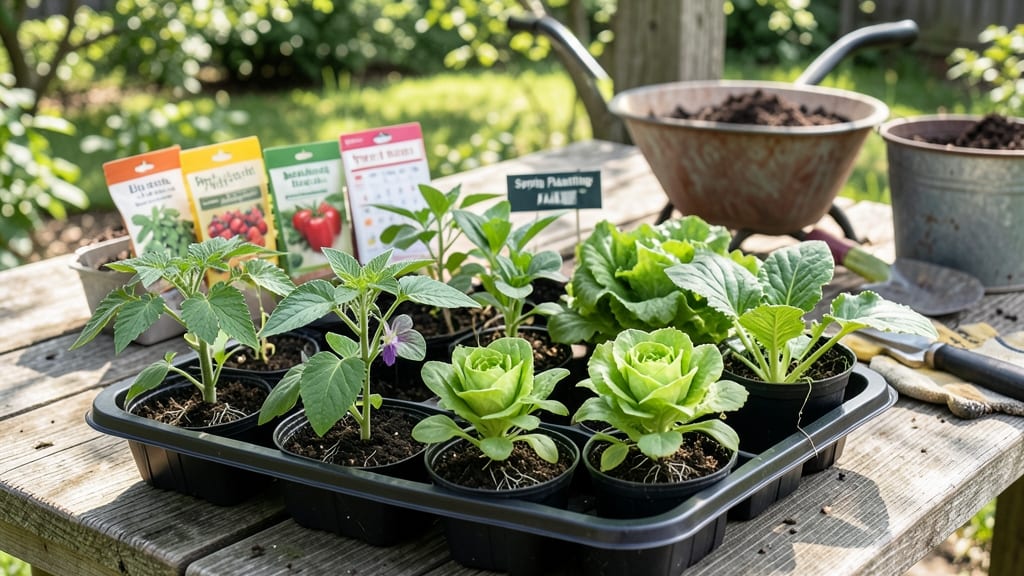
When to plant a vegetable garden in North Carolina can make the difference between a fast, bountiful harvest and a disappointing flop. With coastal breezes, mountain chill, and Piedmont heat, the perfect planting window varies dramatically across the state—but get it right, and you’ll enjoy homegrown tomatoes and greens months ahead of schedule.
I’ve spent years testing planting schedules from Raleigh to Asheville, and the key is understanding your local heat zone. Whether you’re sowing cool-season crops like broccoli in early spring or warm-season peppers in late May, knowing when to start seeds (or transplants) ensures your 🌱 thrives.
Let’s break down the exact months that work best for your region.
North Carolina’s diverse climate means no single answer fits all. Coastal areas like Wilmington can plant earlier thanks to milder winters, while mountain towns like Boone face shorter growing seasons.
I’ll show you how to adjust planting times based on your zone, so you avoid frost damage or wilting heat stress.
Ready to grow faster and smarter? You’ll discover the optimal planting months for your location, plus pro tips for extending seasons with row covers. By the end, you’ll know exactly when to put those seeds in the ground for a harvest that’ll impress even veteran gardeners.
NC planting zones by month: a heat-zone map for optimal vegetable growth
North Carolina spans USDA zones 5b through 8a, meaning your planting schedule should shift dramatically whether you're in the coastal lowlands of Wilmington or the mountainous highlands of Boone. The average last frost dates vary by 6-8 weeks across the state, creating a complex puzzle for gardeners.
For example, coastal areas like Morehead City typically see their last frost by March 15, while mountain towns like Asheville often wait until May 1.
Understanding these heat zones is critical because planting warm-season crops like tomatoes too early in cooler zones can lead to bolting or poor germination. Conversely, starting cool-season crops like broccoli too late in warmer zones means they’ll bolt before harvest.
The key is matching your planting window to your specific zone while accounting for microclimates within your area.
Here’s how to use this heat-zone map for your garden: First, identify your USDA zone using the NC State Extension’s interactive map. Then, align your planting with the frost-free dates for your region.
For instance, zone 7b (common in Raleigh) has a last frost around April 15 and a first frost around November 15, giving you a 240-day growing season—plenty of time for multiple plantings.
| Region | USDA Zone | Last Frost Date | First Frost Date | Best Planting Window |
|---|---|---|---|---|
| Coastal (Wilmington, Morehead City) | 8a | March 15 | November 20 | Cool-season: Jan-Feb; Warm-season: April-May |
| Piedmont (Raleigh, Charlotte) | 7b | April 15 | November 15 | Cool-season: Feb-Mar; Warm-season: May |
| Mountains (Asheville, Boone) | 6a-6b | May 1 | October 15 | Cool-season: March-April; Warm-season: June |
For coastal gardeners in zone 8a, you can start warm-season crops like peppers and okra as early as March 1 because the soil warms quickly. Meanwhile, mountain gardeners in zone 6a should wait until June 1 to plant tomatoes to avoid blossom-end rot from cool nights.
This delay also reduces the risk of early-season pests like flea beetles, which thrive in warmer coastal climates.
One of my favorite tricks for extending the growing season in cooler zones is using row covers or cold frames. For example, in zone 7b, I plant spinach and lettuce in late August under a lightweight row cover to protect them from early fall frosts.
This simple technique can add 4-6 weeks to your harvest window, giving you fresh greens well into October.
If you’re unsure about your exact last frost date, check the NC State Extension’s Planting Calendar or use a local weather station like the one at your nearest Cooperative Extension office.
These resources provide hyper-local data that can adjust your planting by 1-2 weeks compared to general zone guidelines. For instance, a south-facing slope in your yard might warm up 10-14 days earlier than the official frost date for your area.
Another critical factor is soil temperature. Most warm-season vegetables need soil temps of at least 60°F to germinate properly. In zone 7b, this usually happens by mid-April, but in zone 6a, you might need to wait until late May.
Use a soil thermometer to monitor temps—planting too early in cold soil can lead to poor root development and stunted plants.
For cool-season crops, timing is equally critical. In zone 8a, you can plant broccoli and cabbage as early as September 15 for a winter harvest, while in zone 6a, you’ll want to get them in the ground by July 15 to avoid bolting.
Succession planting—sowing small batches every 2-3 weeks—ensures a continuous harvest and prevents wasted space in your garden.
Pro tip: Mark your calendar with three key dates for your zone: the last frost date, the first frost date, and the
Cool-season vs. warm-season vegetables: NC-specific planting schedules
North Carolina’s two distinct growing seasons—cool and warm—dictate when to plant your vegetable garden for maximum success. Cool-season crops thrive in spring and fall, while warm-season varieties need summer’s heat.
Missing these windows can mean slower growth or poor yields, but timing it right ensures a steady harvest.
For cool-season vegetables like broccoli, kale, and peas, aim to plant in early spring (March-April) or late summer (August-September) for fall harvests. These crops handle light frosts and even prefer cooler temps.
Meanwhile, warm-season crops such as tomatoes, peppers, and cucumbers need to wait until after your last frost date, typically mid-April to early May in most of NC.
🌱 NC Planting Calendar for Cool vs. Warm-Season Crops
| Season | Best Planting Months | Example Crops | Key Tip |
|---|---|---|---|
| Cool-Season | March-April, August-September | Broccoli, Kale, Peas, Lettuce | Plant 4-6 weeks before last frost |
| Warm-Season | May-June (after frost) | Tomatoes, Peppers, Cucumbers, Corn | Soil must be 60°F+ for seeds |
Extend your growing season with row covers or succession planting. For example, sow lettuce every 2 weeks in spring to avoid bolting, or use frost blankets to protect fall greens. This strategy maximizes your garden’s potential and minimizes wasted space.
In Coastal NC, humidity can delay planting, while mountain regions may experience earlier frosts. Adjust your schedule by 1-2 weeks based on your local microclimate. For precise frost dates, check the NC State Extension’s planting calendar tailored to your county.
Pro tip: Direct-sow heat-loving crops like beans and squash after Memorial Day to avoid transplant shock. These varieties thrive with consistent warmth and can handle NC’s summer heat better than cooler-season plants.
By aligning your planting with NC’s natural rhythms, you’ll enjoy longer harvests and healthier plants—no matter where you garden in the state. 🌿