
Plants
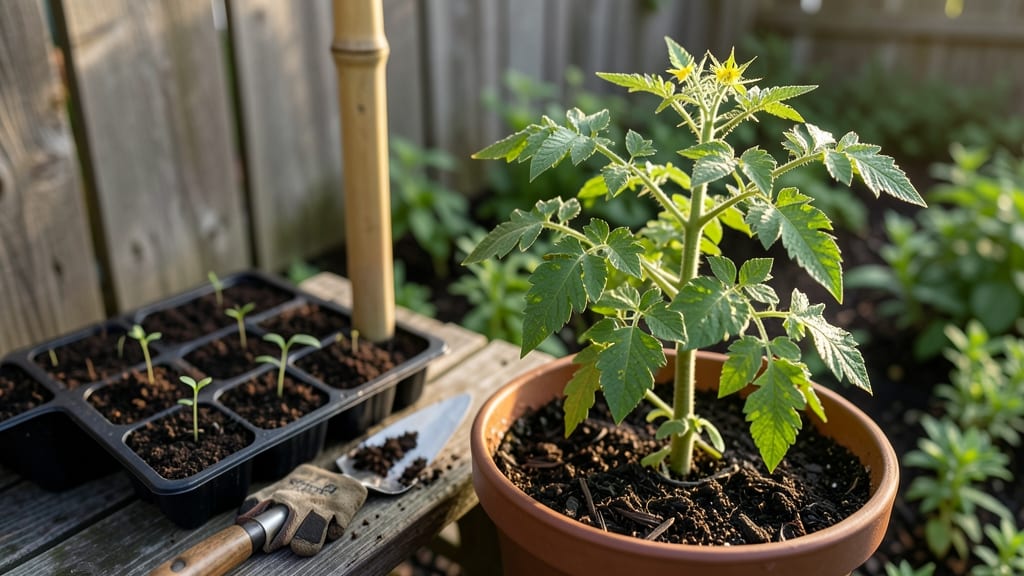
Missouri’s ideal tomato planting timeline by last frost date
Timing your tomato planting in Missouri depends on your last frost date and USDA zone. Most of the state falls in zones 5b-6a, with average last frost dates between April 15 and May 1.
Planting too early risks frost damage, while waiting too long can shorten your harvest season. For urban gardeners with limited space, container planting offers flexibility to adjust timing slightly.
Missouri’s climate varies dramatically between northern and southern regions. Northern areas (like St. Louis) typically have later frost dates, while southern regions (like Springfield) warm up faster. Heat-tolerant varieties like ‘Solar Fire’ thrive in Missouri’s summers, but even they need a strong start after the last frost.
Always check your local extension office for precise frost dates.
Here’s a breakdown of the ideal planting windows based on Missouri’s climate zones and regional variations:
| Region | USDA Zone | Last Frost Date | Best Planting Window | Heat-Tolerant Varieties |
|---|---|---|---|---|
| Northern MO (e.g., Kansas City) | 5b | April 25 - May 5 | May 10 - June 1 (transplants) | ‘Celebrity,’ ‘Mountain Merit’ |
| Central MO (e.g., Columbia) | 6a | April 15 - April 25 | April 20 - May 10 (transplants) | ‘Better Boy,’ ‘Solar Fire’ |
| Southern MO (e.g., Springfield) | 6b | March 30 - April 10 | April 1 - April 20 (transplants or direct sow) | ‘Heatmaster,’ ‘Arkansas Traveler’ |
| Urban Areas (e.g., St. Louis) | 6a | April 20 - May 1 | May 5 - May 20 (containers or raised beds) | ‘Tiny Tim,’ ‘Patio Princess’ |
For direct sowing, wait until soil temperatures reach 60°F—usually 2-3 weeks after your last frost date. Southern Missouri gardeners can often direct sow as early as April 1, while northern areas should wait until mid-May.
If you’re using transplants, purchase them from local nurseries in early spring and harden them off for 7-10 days before planting.
Missouri’s summer heat can be intense, so plan for a second planting in late June or early July if you want to extend your harvest. Varieties like ‘Early Girl’ mature quickly (about 60 days) and are perfect for succession planting.
Just be sure to use row covers or choose heat-resistant varieties to protect your plants from late-summer heatwaves.
Always monitor your garden’s microclimate. Urban areas can be 5-10°F warmer than rural spots due to heat islands, so adjust your planting timeline accordingly. If you’re unsure about frost dates, use a frost clock or set up a minimum thermometer in your garden to track temperatures accurately.
Pro tip: Start seedlings indoors in late winter (February-March) if you want an early jump on the season. Use a grow light to provide 14-16 hours of light daily, and transplant them outdoors after the last frost.
This gives your tomatoes a 4-6 week head start and can significantly boost your yield.
Missouri’s short growing season means every day counts. By following these guidelines, you’ll maximize your tomato harvest and enjoy fresh, homegrown fruit from June through October. Just remember: patience and preparation are key when gardening in Missouri’s unpredictable climate.
🌱
How to time your tomato planting for Missouri’s unpredictable weather
Missouri’s spring frost dates can shift dramatically from year to year, making tomato planting timing a critical skill. Even after the average last frost date of April 15, late frosts can still occur, especially in northern Missouri or high-elevation areas.
The key is balancing seedling readiness with soil warmth—aim for 60°F soil temperatures before planting.
If you’re using transplants, opt for heat-tolerant varieties like 'Solar Fire' or 'Heatmaster,' which can handle Missouri’s summer heatwaves better than standard types. These varieties give you a 2-week buffer if late frosts strike.
For direct-sown seeds, wait until mid-May in colder regions to avoid frost damage to young seedlings.
Never plant tomatoes outdoors before the last frost date—even if seedlings look strong. A single 28°F night can kill young plants. Use frost cloth or row covers if you must plant early, but remove them by late May to prevent overheating.
🌱 Pro Tip: Monitor your local Cooperative Extension Service alerts for updated frost forecasts.
For urban gardeners with limited space, consider container growing. Pots warm up faster than garden beds, giving you a 1-2 week head start on planting. Use black plastic mulch to raise soil temperatures by 5-10°F, accelerating seedling growth.
This is especially helpful in St. Louis or Kansas City, where urban microclimates can delay spring warming.
If you’re starting seeds indoors, begin them 6-8 weeks before your target outdoor planting date. For Missouri, that means mid-February to early March for early varieties. Use grow lights to prevent leggy seedlings, and harden them off for 7-10 days before transplanting.
Hardening off is non-negotiable—shocked seedlings wilt quickly in Missouri’s dry winds.
Extend your harvest by practicing succession planting. After your first planting yields fruit, sow a second batch of seeds in late June. Choose fast-maturing varieties like 'Early Girl' (55 days to harvest) to ensure a fall crop before the first frost.
This works best in southern Missouri, where the growing season stretches longer.
Always keep a planting journal to track what works in your specific microclimate. Note when you planted, any frost surprises, and how varieties performed. Over time, you’ll refine your tomato planting schedule to Missouri’s quirks—whether it’s a cool June or an early September heatwave. 🌿