
Plants
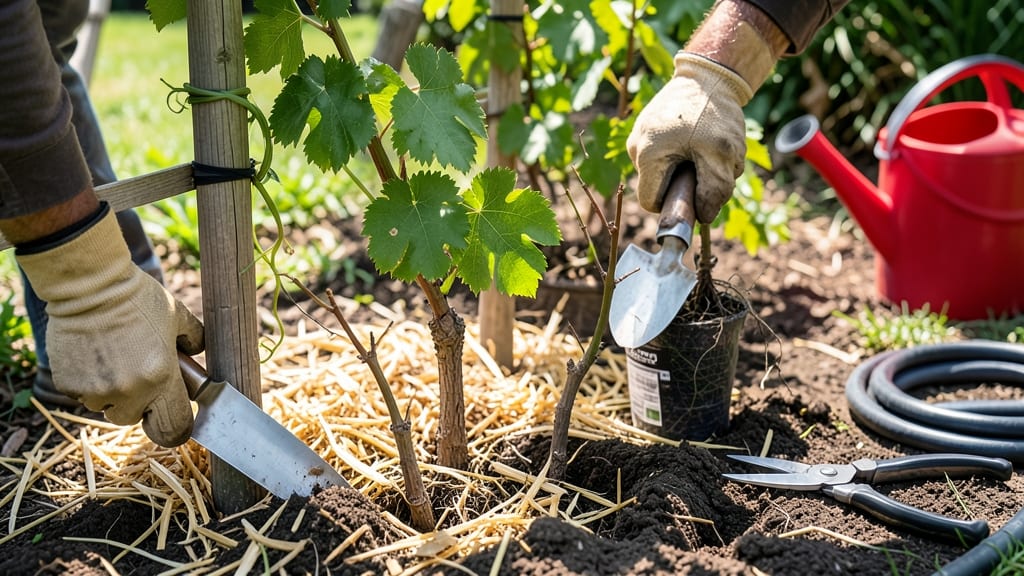
Timing your grapes planting in Alabama can make or break your harvest—get it wrong, and frost might turn your dream vineyard into a sad, frozen memory.
With USDA zones 7a-8b offering a long growing season, you’ve got flexibility, but those late winter frosts can still sneak in and ruin your early efforts.
Most Alabama gardeners swear by planting 🍇 grapes in late winter to early spring (February-March), when soil temperatures rise and frost risks drop—but fall planting (September-October) works too, especially for container-grown vines.
The key is knowing your region’s last frost date (typically around March 15 in most areas) and adjusting for your grape variety.
Why does this matter? Because Muscadines handle Alabama’s heat better than Vinifera varieties, and soil prep (well-draining, slightly acidic) can mean the difference between thriving vines and struggling plants. I’ll break down exactly how to time your planting for maximum success—no guesswork, just proven strategies.
Ready to avoid common mistakes and set your grapes up for a bountiful harvest? Let’s dive into the perfect planting windows, soil secrets, and frost-proofing tips tailored just for Alabama’s climate.
Alabama’s optimal grapes planting windows by region and frost dates
Alabama’s diverse climate—from the cooler Appalachian foothills in the north to the subtropical south—means your grapes planting window depends heavily on USDA hardiness zones and local frost dates.
For North Alabama (Zones 7a–7b), where winters can dip below 15°F, your best bet is late winter to early spring (mid-February to March) to avoid late frost risks. Meanwhile, South Alabama (Zones 8a–8b) gardeners enjoy a longer window, from September to November, thanks to milder winters.
Central Alabama (Zone 7b–8a) straddles both worlds, with fall planting (September–October) ideal for container-grown vines and bare-root vines planted in late winter (February–March). The key? Soil temperatures must stay above 60°F for roots to establish—critical for vinifera grapes like Cabernet Sauvignon, which are less cold-hardy than Muscadine varieties.
⚠️For bare-root vines, the dormant season (December–February) is your best shot—roots are less vulnerable to soil-borne diseases and can establish before spring growth. Container-grown vines, however, thrive when planted in fall (September–October), giving roots time to spread before winter dormancy. In North Alabama, opt for cold-hardy Muscadines like ‘Scuppernong’ or ‘Carlos,’ while South Alabama can handle vinifera varieties like ‘Chardonnay’ or ‘Merlot’ with proper winter protection.
Use local weather data from sources like the National Weather Service or Alabama Cooperative Extension to fine-tune your timing. For example, if your area’s average last frost date shifts to April 1, delay planting until mid-April to avoid frost damage.
Similarly, in South Alabama, where first frosts may hit as early as November 15, plant container vines by October 15 to ensure root establishment.
Another critical factor? Soil moisture. Alabama’s clay-heavy soils in some regions can become waterlogged after rain, stunting root growth.
Amend your soil with compost or sand to improve drainage, especially in low-lying areas prone to poor aeration. Mulch heavily (3–4 inches of straw or wood chips) to retain moisture and regulate soil temperature—this is non-negotiable for young vines struggling to establish in North Alabama’s cooler springs.
If you’re planting vinifera grapes in Zone 7a, consider microclimate protection, such as planting near a south-facing wall or using frost cloth during late springs.
For Muscadines, which are native to Alabama, you’ll have more flexibility—these vines tolerate later planting (even April in some cases) and thrive in poor soil conditions that would stress other varieties.
🌱 Remember: The 30-day rule applies—plant at least 30 days before your area’s average last frost date to ensure vines can harden off before winter. Use this as your absolute deadline for spring planting.
How to adjust planting time for grape varieties and soil conditions
Not all grapes thrive on the same schedule in Alabama. Muscadines, for example, can handle later planting—even as late as April—because their thick skins protect against heat stress.
Meanwhile, Vinifera varieties like Cabernet Sauvignon need to be in the ground by March to establish roots before summer’s heat peaks. Your grape’s hardiness zone and soil temperature (aim for 60°F+) dictate the perfect window.
Soil conditions play a surprisingly big role. Sandy soils in South Alabama warm up faster, letting you plant 2–3 weeks earlier than clay-heavy North Alabama soils. Test your soil’s drainage—grapes hate soggy roots—and amend with compost if needed.
A pH between 6.0–7.0 is ideal, but Muscadines tolerate slightly acidic soil better than European varieties.