
Plants
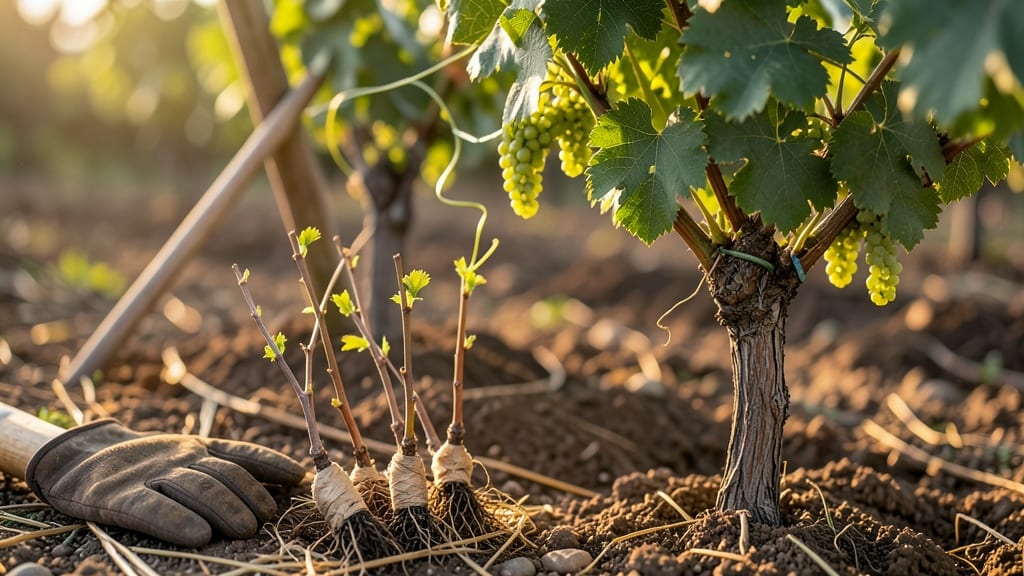
Best months to plant grapes in Florida (avoiding heat stress & pests)
Florida’s frost-free climate means you can plant grapes year-round, but timing matters to avoid heat stress and pest pressure. The ideal window is late winter to early spring—specifically January through March—when soil temperatures are mild and rainfall is consistent.
This aligns with grapevines’ natural dormancy break, giving them a head start before summer’s intensity.
North Florida’s cooler winters (USDA Zones 8a-9a) allow planting as early as December, while South Florida’s Zone 10-11 can extend planting into April. However, avoid planting in summer months (June-August), as extreme heat can shock young roots and attract pests like grape cane borers.
Soil temperature is critical—grape roots thrive when soil is between 60°F and 70°F. In Florida, this typically occurs in January-February, when daytime highs average 70°F-75°F and nights dip into the 50s. Use a soil thermometer to confirm before planting; cooler soil speeds root establishment.
Rainfall patterns also influence timing. Florida’s dry season (November-April) provides steady moisture, perfect for young vines. Planting in December or January ensures adequate rainfall without the risk of hurricane season flooding (June-November), which can uproot tender plants.
Container-grown grapes offer flexibility—you can plant anytime if you control water and temperature. However, even potted vines benefit from the January-March window, as cooler temps reduce transplant shock. Use well-draining pots (minimum 15-gallon size) and place them in full sun areas.
Regional microclimates play a role. Coastal areas (e.g., Miami, Tampa) can plant into early April, while inland zones (e.g., Orlando, Gainesville) should stick to January-February to avoid sudden heat spikes. Always check local USDA Zone maps for precision.
| Region | Best Planting Months | Soil Temp Goal | Key Consideration |
|---|---|---|---|
| North Florida (Zones 8a-9a) | December–February | 60°F–70°F | Cooler winters; avoid late March heat spikes |
| Central Florida (Zones 9a-9b) | January–March | 65°F–75°F | Humidity rises in spring; monitor for fungal diseases |
| South Florida (Zones 10a-11) | January–April | 70°F–80°F | Year-round warmth; prioritize shade cloth for young vines |
| Container Growing (Anywhere) | Year-round (best Jan–Mar) | 60°F+ | Move pots to shade during summer heatwaves |
Align planting with grapevine growth stages to maximize survival. Young vines need 4–6 weeks to establish roots before Florida’s summer heat peaks. Planting in January gives vines a 6-month head start before the most intense heat (July-August).
For example, a January-planted vine will have 12-inch roots by May, reducing transplant shock.
Post-planting care is just as critical as timing. After planting, mulch with 2–3 inches of organic mulch (e.g., pine straw) to retain moisture and regulate soil temperature. Water deeply 2–3 times per week for the first month, then taper to weekly deep waterings once established.
Avoid overhead watering to prevent fungal diseases like powdery mildew, common in Florida’s humid summers.
Monitor for pests like spider mites and aphids, which thrive in hot, dry conditions. Neem oil or insecticidal soap applied in early morning can prevent outbreaks. If planting in spring (March-April), use shade cloth (30–50%) for the first 2 weeks to ease the transition to full sun.
For container-grown grapes, the January-March window still applies, but adjust watering frequency—potted vines dry out faster. Use self-watering containers or drip irrigation to maintain consistent moisture. Place pots on casters to move them into shade during 100°F+ days, a common summer occurrence in Florida.
Best months to plant grapes in Florida (avoiding heat stress & pests)
Florida’s unique climate means you can plant grapes year-round, but timing matters to avoid heat stress and pest outbreaks. The ideal window is late winter to early spring—January through March—when soil temperatures are cooler and rainfall is more predictable.
This aligns with grapevines’ natural growth cycle, giving them time to establish roots before summer’s intensity.
North Florida’s slightly cooler winters (USDA Zones 8a-9a) allow for planting as early as December, while Central and South Florida (Zones 9b-11) can extend planting into April.
However, avoid planting in summer, as extreme heat can cause transplant shock and attract pests like grape cane borers.
📅 Florida Grape Planting Timeline
| Region | Best Planting Months | Soil Temp (°F) | Key Consideration |
|---|---|---|---|
| North Florida | December–February | 60–70°F | Cooler temps reduce transplant shock |
| Central Florida | January–March | 65–75°F | Balanced humidity and rainfall |
| South Florida | February–April | 70–80°F | Higher humidity; monitor for fungal diseases |
💡 Pro Tip: Test soil moisture before planting—grapes hate soggy roots!
For container-grown grapes, you can plant slightly later (up to May in South Florida), but ensure containers have drainage holes and use a lightweight potting mix to prevent root rot. Container grapes also benefit from afternoon shade during peak summer months to protect tender new growth.
Rainfall patterns play a critical role: aim to plant during Florida’s dry season (November–April) to avoid waterlogged soil. If planting in spring, schedule it for early March before the wet season begins.
Overhead watering after planting can spread soil-borne diseases, so use a drip irrigation system or water at the base.
Once planted, mulch around the base with 3–4 inches of organic mulch (like pine straw) to retain moisture and regulate soil temperature. This is especially important in Florida’s hot, humid summers, where mulch acts as a protective barrier against heat stress and weed competition.
Reapply mulch annually to maintain its effectiveness.
Finally, consider your grapevine’s growth stage when planting. Bare-root plants (sold dormant) should be planted in winter, while potted grapes (with established roots) can handle spring planting. Always soak bare-root plants for 1–2 hours before planting to rehydrate the roots and improve survival rates.