
Plants
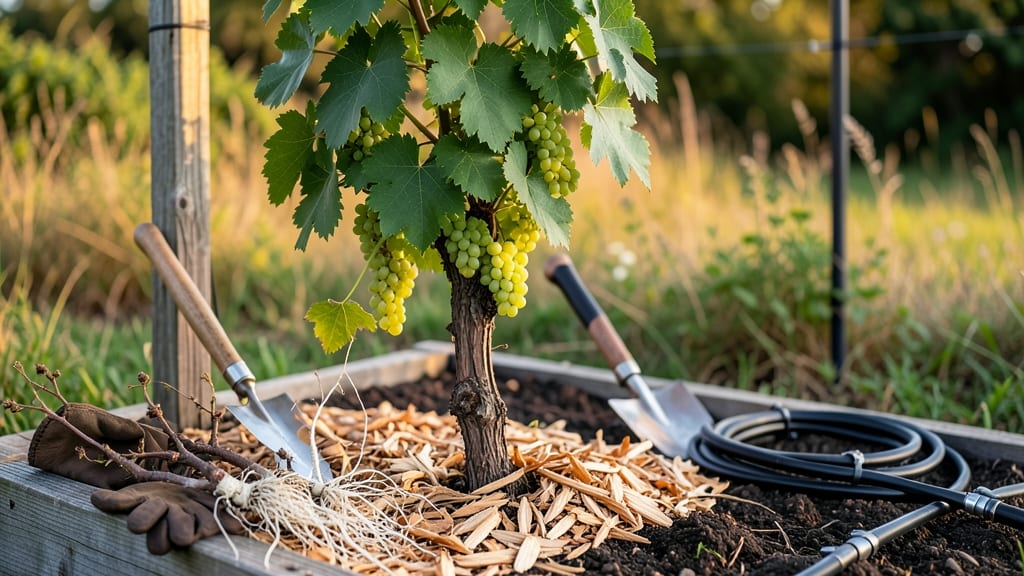
Timing your grapes planting in Arizona isn't just about following a calendar—it's about beating the heat and avoiding frost traps that can turn your vines into a sad, wilted memory.
With USDA Zone 9b temperatures swinging from frigid winter nights to triple-digit summers, getting those roots in the ground between November and February is your best shot at success.
Why does this window matter? Because Arizona's desert climate demands patience—planting too early risks frost damage, while waiting too long means your young vines will struggle to establish before the merciless sun arrives.
I've seen firsthand how winter planting gives grapes the cool, moist conditions they crave to take root before summer's brutal heat kicks in.
But here's the kicker: not all Arizona regions are created equal. Low desert areas near Phoenix have different microclimates than the cooler high desert or mountain regions.
That's why I'll break down exactly how to time your planting based on where you live—so you can give your 🍇 grapes the perfect head start without guessing games.
Ready to turn your backyard into a thriving vineyard? Let's dive into the science behind Arizona's planting windows, soil prep secrets, and variety recommendations that actually work in this extreme climate. Your future harvest depends on getting this right.
Arizona’s best planting windows for grapes by heat zone
Arizona’s diverse climate zones—from the scorching Low Desert to the cooler Mountain Regions—create unique challenges for grape growers. Unlike northern states, you can’t plant grapes in spring here. Instead, winter planting (November–February) gives vines time to establish roots before summer’s brutal heat.
But the exact timing depends on your USDA Zone and microclimate. Let’s break it down by region so you avoid heat stress or late frost damage.
In Low Desert areas (Phoenix, Tucson, Yuma), where temperatures rarely drop below 30°F, your planting window is narrow but critical: aim for mid-November to early February. These zones experience minimal frost risk, but planting too late (March+) means vines struggle to root before 100°F+ days.
For High Desert (Flagstaff, Prescott), where frost dates extend until mid-March, you have until late February. Meanwhile, Mountain Regions (Sedona, Show Low) can plant as late as early April—but only if you’re using cold-hardy varieties like Concord.
Key rule: Plant when soil temps stay above 50°F but air temps are below 75°F. Use a soil thermometer to check—grapes won’t root if soil is too cold. In Arizona’s alkaline soils, this often means waiting for post-monsoon rains to moisten the ground naturally. Pro tip: Bare-root vines (available November–February) establish faster than potted ones, giving them a critical head start before summer.
Here’s how to match your Arizona heat zone to the best planting window, including frost risk and soil prep timing for each:
| Heat Zone | Planting Window | Frost Risk | Soil Prep Month | Ideal Varieties |
|---|---|---|---|---|
| Low Desert (Phoenix, Tucson) | Mid-Nov to Early Feb | Low (rare below 32°F) | October–November | Flame Seedless, Crimson Seedless |
| High Desert (Flagstaff, Prescott) | Late Nov to Late Feb | Moderate (frost until mid-Mar) | September–October | Thompson Seedless, Muscat |
| Mountain Regions (Sedona, Show Low) | Late Feb to Early Apr | High (frost until May) | August–September | Concord, Niagara |
Why this timing? Grapes are dormant in winter, so planting during cooler months lets them focus on root growth before spring’s bud break. In Low Desert zones, vines planted in March+ often wilts by June due to heat stress. Meanwhile, High Desert areas can handle slightly later planting because cooler nights reduce transplant shock. For Mountain Regions, the extended frost window means you must wait until after last frost (usually mid-April) to avoid cold damage to new shoots.
Pro move: If you miss the winter window, container-grown vines can be planted in early spring (March), but they’ll need extra shade and daily watering to survive. I’ve seen homeowners in Yuma plant in February with shade cloth and still get harvestable grapes—but it’s riskier. For best results, stick to November–February and choose the right variety for your zone.
Arizona’s monsoon season (July–September) can also affect planting. While it’s too late to plant new vines then, soil moisture from monsoons can help established vines recover from summer stress. If you’re planting in February, time it so vines get natural rain in their first growing season. Mulch heavily (4–6 inches of straw) to lock in moisture and regulate soil temps.
Common mistake: Planting in October because it’s “cool.” But Low Desert temps can still dip into the 40s°F at night, shocking young roots. Wait until after Thanksgiving for Phoenix/Tucson or mid-November for Prescott. Mountain growers can push to early April, but cover vines with frost cloth if nights drop below 28°F.
Final tip: Check your local Cooperative Extension Service (like the UArizona Master Gardener Program) for your specific town’s frost dates. For example, Tucson’s last frost is January 15, while Flagstaff’s can be May 1. Planting 10–14 days after your area’s last frost date gives vines a buffer before summer heat ramps up. With the right timing, your grapes will thrive in Arizona’s heat instead of struggling to survive it. 🍇
Arizona’s best planting windows for grapes by heat zone
Arizona’s climate varies dramatically from the Low Desert’s 110°F summers to the High Desert’s cooler winters, making planting timing critical for grape success. The ideal window for planting grapes in Arizona spans November through February, when temperatures are mild and frost risks are minimal.
This period allows vines to establish roots before the brutal summer heat arrives.
Your USDA Zone 9b classification means you must avoid planting during the hottest months (May–September), when temperatures can exceed 105°F, stressing young vines. Instead, focus on winter planting—a strategy that aligns with Arizona’s natural dormancy cycle for grapes.
📌 Key Timing Factors:
- Last Frost Date: Typically around January 15 in most regions.
- First Frost Date: Usually December 15, but microclimates vary.
- Soil Temperature: Aim for 50–60°F for optimal root growth.
| Region | Best Planting Months | Temperature Range | Notes |
|---|---|---|---|
| Low Desert (Phoenix, Tucson) | November–January | 50–65°F | Use shade cloth; avoid summer planting. |
| High Desert (Flagstaff, Prescott) | October–February | 40–60°F | Cooler nights; extend window slightly. |
| Mountain Regions (Sedona, Payson) | September–March | 35–55°F | Plant earlier to avoid late frosts. |
For container-grown grapes, you can plant one month earlier (October) since pots warm up faster. However, ensure containers are at least 18 inches deep and use well-draining soil to prevent root rot. Mulch heavily with straw or wood chips to retain moisture and regulate soil temperature.
If you miss the winter window, March is your last chance—but only in cooler High Desert or Mountain regions. In the Low Desert, March planting risks heat stress before roots establish. Always avoid summer planting unless using drip irrigation and shade cloth to protect young vines.
Pro tip: Bare-root vines (available in winter) establish faster than potted grapes. Soak roots in water for 2–4 hours before planting to reduce transplant shock. Pair this with a trellis system to maximize airflow and sunlight exposure, critical in Arizona’s arid climate.
🌱