
Plants
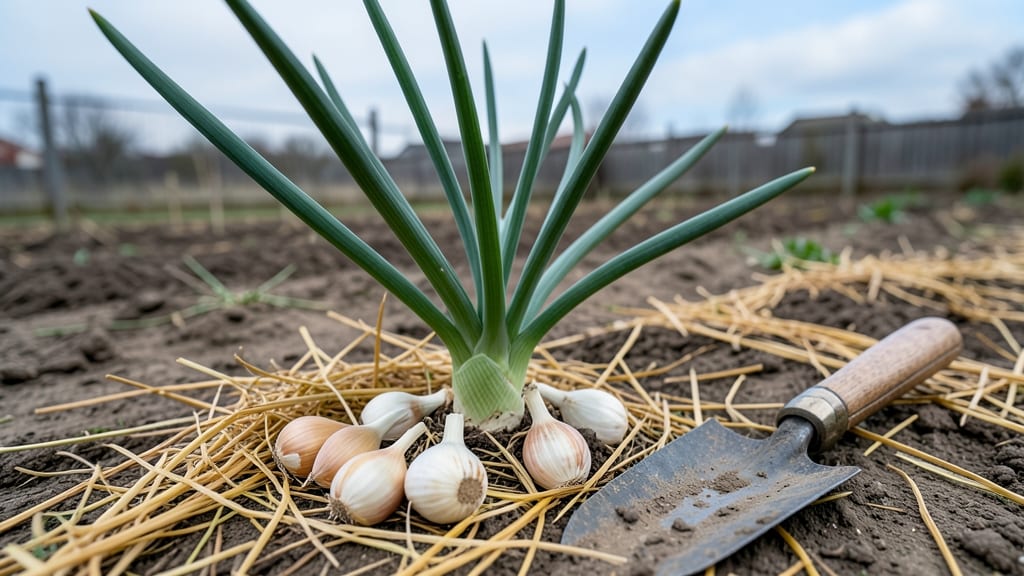
If you’ve ever wondered when to plant garlic in Upstate New York, the answer might surprise you: timing isn’t just about the calendar—it’s about the moon.
Planting garlic in late September or early October aligns with the region’s 5b-6b climate, but lunar cycles can push your bulbs to grow bigger and stronger. This isn’t just old gardening lore—it’s science-backed strategy for hardneck varieties like ‘Music’ or ‘German White.’
Upstate NY’s first frost usually hits by mid-October, leaving you a narrow window to plant before the ground freezes. But here’s the twist: planting during the waning moon (when root crops thrive) can make all the difference.
Whether you’re a seasoned gardener or just starting, this guide will walk you through the exact dates and techniques to maximize your harvest next July.
We’ll cover how to prep your soil, avoid common mistakes, and even adjust for early or late winters. By the end, you’ll know exactly when to plant—and why the moon matters more than you think. Ready to grow garlic like a pro? Let’s dig in.
The key to success lies in understanding your local climate and leveraging nature’s rhythms. With the right timing, your garlic won’t just survive Upstate NY’s winters—it’ll thrive, giving you plump, flavorful bulbs that’ll make your kitchen the envy of the neighborhood. No more guessing—just proven results.
Best planting months for garlic in Upstate NY’s climate zones
Upstate NY’s USDA zones 5b-6b mean gardeners must plant garlic 4-6 weeks before the ground freezes—typically between late September and early October. This timing ensures cloves establish roots before winter dormancy, while avoiding the first killing frost (usually mid-October in most regions).
For example, in Albany, aim for October 1-15, while Buffalo’s slightly later frost dates allow planting until mid-October.
Garlic thrives when soil temperatures drop below 50°F (10°C) but stay above freezing. In Upstate NY, this window aligns perfectly with fall’s cooling trend. Planting too early (August) risks premature sprouting, while late planting (November) may leave cloves vulnerable to soil heaving during freeze-thaw cycles.
Use a soil thermometer to confirm 40-50°F (4-10°C) soil temps before planting.
Upstate NY’s microclimates create variations—mountain regions like the Catskills freeze earlier than lake-effect areas near Lake Erie. Adjust your schedule by 1-2 weeks based on local frost data. Check your last average frost date (typically mid-November) and count backward to determine your ideal window.
For hardneck varieties (like ‘Music’ or ‘German White’, popular in Upstate NY), fall planting is critical—they need cold vernalization to form bulbs. Spring planting (March-April) is possible but yields smaller, softer bulbs and is riskier due to variable spring weather.
If you miss fall, opt for softneck varieties, which tolerate spring planting better.
Upstate NY’s short growing season (about 165 frost-free days) demands precision. Garlic planted in fall will harvest in mid-to-late July of the following year, giving it enough time to mature before the next winter. This timing also avoids competing with summer crops for soil nutrients and moisture.
Here’s how to adapt for early or late winters: If your area experiences unusually warm falls, delay planting until soil cools. Conversely, if early frosts are forecasted, plant as soon as soil is workable. Use row covers or straw mulch to extend the season if needed.
To maximize success, test your soil’s drainage and pH (aim for 6.0-7.0) before planting. Upstate NY’s clay-heavy soils in some areas benefit from compost amendments to improve aeration. Amend beds with 2-3 inches of compost or well-rotted manure 2-3 weeks before planting to give cloves a nutrient-rich start.
Mark your calendar for October 15 as the absolute deadline in most of Upstate NY—after this, cloves may not establish roots before winter. If you’re unsure, plant a test row in early October and monitor for sprouting. Healthy cloves will sprout within 2-3 weeks if conditions are right.
Pro tip: Use last year’s garlic bulbs for planting—they’re already adapted to Upstate NY’s climate. Break bulbs into individual cloves, ensuring each has a paper-like skin attached. Plant the pointy end up, 2 inches deep, and 4-6 inches apart in rows 12 inches apart for easy harvest.
Best planting months for garlic in Upstate NY’s climate zones
Upstate NY’s USDA zones 5b-6b mean garlic thrives when planted in late September to early October. This window ensures cloves establish roots before the ground freezes, typically around mid-November in most regions like Albany or Syracuse.
The key is planting 4-6 weeks before the first hard frost, giving garlic enough time to sprout before winter dormancy.
For hardneck varieties like ‘Music’ or ‘German White’—the gold standard for Upstate NY—aim for October 1st to October 15th. If your winter arrives early (like in the Adirondacks), plant by September 20th to avoid missed opportunities.
Late plantings after November 1st risk poor bulb development, as garlic needs 60-90 days of cold to form properly.
| Zone | Ideal Planting Window | Soil Temp | Frost Risk |
|---|---|---|---|
| 5b (e.g., Buffalo) | Late Sept–Oct 10 | 45–55°F | Low |
| 6a (e.g., Rochester) | Oct 1–15 | 50–60°F | Moderate |
| 6b (e.g., Ithaca) | Oct 1–20 | 55–65°F | High |
Soil temperature is critical: garlic cloves need soil between 40–50°F to sprout. Use a soil thermometer to confirm—if temps drop below 32°F, cover beds with straw mulch (4–6 inches) to insulate roots.
In early frost years (like 2022’s late October freeze), plant 2 weeks earlier or use a cold frame for protection.
Spring planting is possible but yields smaller bulbs. If you miss fall, plant softneck varieties in March–April, but harvest the same year—they won’t store as long. Upstate NY’s short growing season (165 frost-free days) demands precision; hardnecks planted in spring rarely mature fully before winter.
Pro tip: Test your soil’s drainage before planting. Garlic hates soggy roots—amend heavy clay with compost or sand to prevent rot. A quick percolation test (pour water on soil; if it pools after 6 hours, amend it) saves future headaches.
Well-drained soil = bigger bulbs and fewer diseases like white rot.
Timing isn’t just about months—it’s about moon phases, too. Planting during the waning moon (when the moon shrinks) boosts root growth, while a full moon can stress cloves.
We’ll dive deeper into lunar secrets in the next section—but for now, mark your calendar for October 1–15 and prepare your soil! 🌱