
Plants
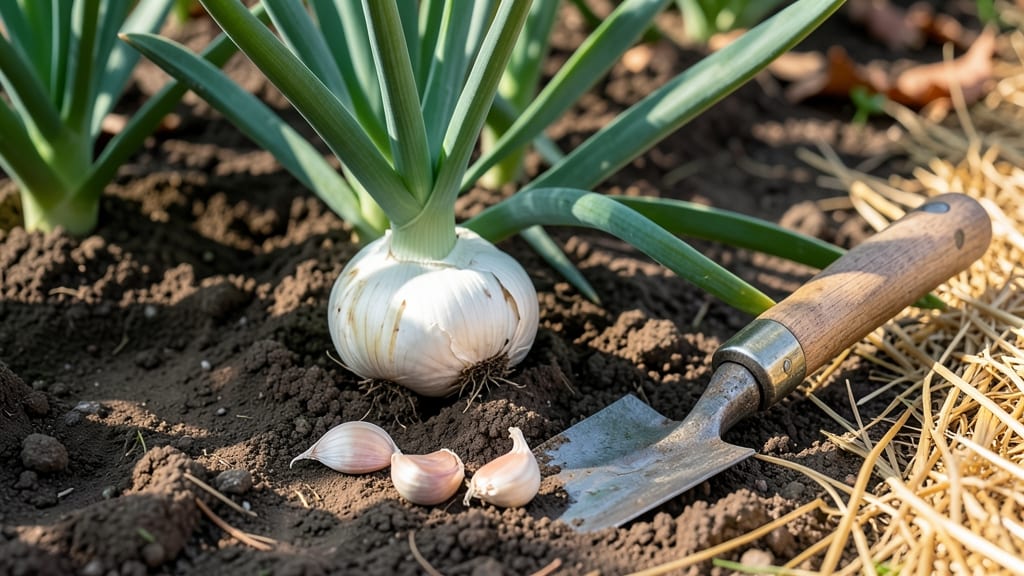
Timing your garlic planting in Zone 5 could mean the difference between a harvest of plump, flavorful 🧄 bulbs and disappointing small cloves. The secret lies in planting 4–6 weeks before the first frost, when soil temperatures drop but the ground stays workable—typically between mid-October and early November.
Why does this window matter so much? Garlic needs cold stratification to develop strong roots, but planting too early or late disrupts its growth cycle. In Zone 5, where winters arrive earlier than in warmer zones, getting the timing right is the key to avoiding frost damage or stunted bulbs.
I’ll walk you through the exact steps to nail your planting schedule, from checking soil readiness to choosing between hardneck and softneck varieties. You’ll also discover how mulching and other tricks can protect your garlic through winter, ensuring you’re ready for a bigger harvest next summer.
Whether you’re a first-time gardener or a seasoned grower, these tips will help you avoid common mistakes and maximize your garlic’s potential. Let’s get those cloves in the ground at the perfect moment!
Optimal fall planting window for garlic in Zone 5
Garlic thrives in Zone 5’s cool fall temperatures, but timing is everything. Planting too early or late can stunt bulb development. The ideal window is mid-October to early November, giving roots time to establish before winter dormancy.
This 6-week span aligns with cold stratification, a natural process that hardens cloves for better survival and larger bulbs.
Cold stratification occurs when soil temperatures drop to 40–50°F (4–10°C). In Zone 5, this typically happens by mid-October. Planting garlic at this stage ensures roots grow slowly but steadily, avoiding the risk of rot from warm, wet soil.
For hardneck varieties, this timing is critical—they need winter’s chill to form scapes and robust bulbs.
Miss the window? You can still plant garlic in late November, but bulbs may be smaller. The key is ensuring the ground doesn’t freeze solid before roots take hold. Use a soil thermometer to confirm temperatures are above 35°F (2°C) at planting depth. This simple tool prevents costly mistakes.
Pro tip: Check your local frost dates—aim to plant 4–6 weeks before the first hard frost. In most of Zone 5, this lands between October 15 and November 1.
For example, in Chicago, the average first frost is October 28, so planting by October 10 is ideal.
Here’s how to prepare cloves for planting: Break apart a garlic bulb into individual cloves, ensuring each has a small root attached. Let them dry in a shady spot for 1–2 days to prevent rot.
Plant the pointy end up, about 2 inches deep and 4–6 inches apart in rows spaced 12 inches apart.
🌱 Garlic Planting Timeline for Zone 5
| Stage | Action | Notes |
|---|---|---|
| Mid-October | Prepare soil: Loosen to 12" deep, add compost | Soil temp: 40–50°F (4–10°C) |
| Late October | Plant cloves 2" deep, 4–6" apart | Pointy end up; mulch with straw |
| November | Add 4–6" of mulch (straw or leaves) | Protects from freeze-thaw cycles |
| Winter | Roots grow slowly; no maintenance | Cold stratification occurs |
| Spring (April) | Remove mulch; watch for green shoots | Avoid disturbing roots |
| Summer (July–August) | Harvest when lower leaves brown | Bulbs should feel firm |
Why does timing matter so much? Garlic bulbs form in the second year, but their size is determined by root development during the first winter. Planting too early (e.g., September) can lead to excessive top growth before winter, making cloves vulnerable to rot.
Planting too late (e.g., December) may result in stunted roots and smaller bulbs.
For softneck varieties, like Silverskin, the window is slightly more flexible, but hardnecks (e.g., Rocambole or Purple Stripe) demand precision. These varieties produce scape stems in spring, which require adequate root strength—something only proper fall planting delivers.
Need a backup plan? If you miss the fall window, you can plant garlic in early spring (March–April), but bulbs will be 30–50% smaller. Spring-planted garlic lacks the cold stratification needed for optimal bulb size.
Use this method only for green garlic (harvested young) or if you’re desperate for a harvest.
Remember: The goal is to give garlic 6–8 weeks of root growth before the ground freezes solid. In Zone 5, that’s your golden ticket to plump, flavorful bulbs by next summer. Don’t rush—patience pays off in the harvest! 🌱
Optimal fall planting window for garlic in Zone 5
Garlic thrives in Zone 5 when planted in fall, specifically between mid-October and early November. This timing ensures bulbs establish roots before winter dormancy, leading to larger harvests the following summer.
The 6-week window is critical—plant too early, and cloves may sprout prematurely; too late, and roots won’t harden enough for winter survival.
Cold stratification—nature’s way of hardening garlic—occurs during winter. When planted in this window, garlic cloves experience consistent freezing and thawing, which strengthens roots and produces plump bulbs. For example, planting in late October (Zone 5’s average first frost) gives roots time to anchor before the ground freezes solid.
Why timing matters: Garlic needs 165 frost-free days to mature in Zone 5. Planting in fall ensures roots develop early, while above-ground growth happens in spring and summer. Skipping this window risks smaller bulbs or even failure, as garlic planted in spring rarely reaches full potential.
🌱 Garlic Planting Timeline for Zone 5
| Stage | Action | Notes |
|---|---|---|
| Mid-October | Plant cloves 2" deep | Soil temp: 40–50°F |
| November | Roots harden in frost | Mulch with straw |
| Spring (April) | Shoots emerge | Remove mulch |
| July-August | Harvest bulbs | Lower leaves brown |
For hardneck varieties (like Rockville or German Red), aim for planting by October 15. These types produce scape stalks (flowering stems) in spring, which can be harvested for cooking. Softneck varieties (such as Artichoke) are more flexible but still benefit from early fall planting.
Use a moon planting guide for extra precision: Plant during a waxing moon (when roots grow best) to boost root development. For example, a waxing gibbous moon in late October aligns perfectly with Zone 5’s ideal window.
If your fall is unusually warm (e.g., 70°F+ in November), delay planting until soil temps drop below 50°F. Monitor frost predictions—planting 4–6 weeks before the first hard frost is the golden rule for Zone 5.
For instance, if frost hits November 15, plant by October 15.
Pro tip: Test your soil’s readiness by pressing a soil thermometer 4" deep. Ideal temps for planting are 40–50°F. If soil is warmer, wait a few days or mulch heavily to cool it down. This small step prevents cloves from sprouting too soon, ensuring stronger roots for winter.