
Plants
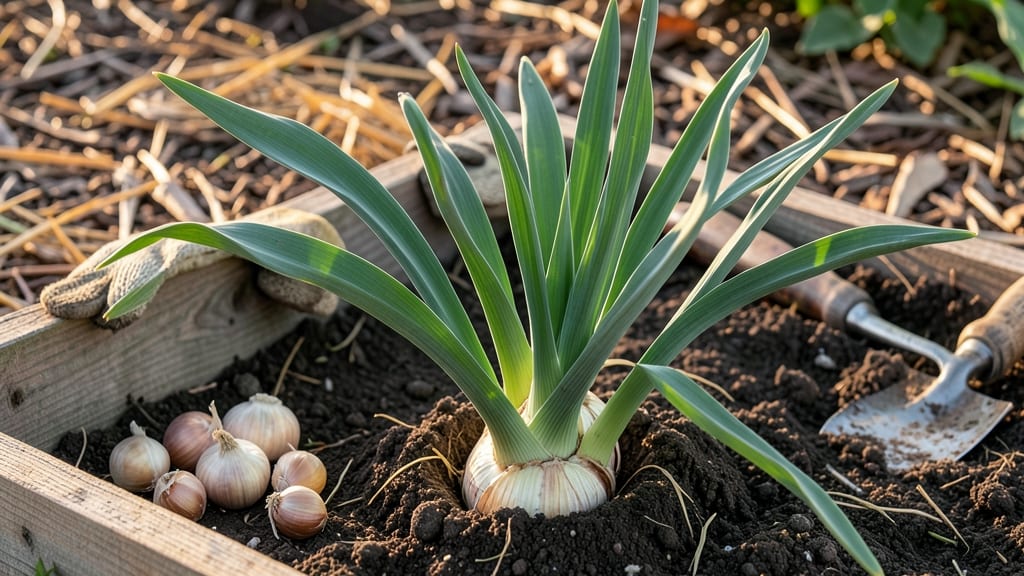
Planting garlic at the wrong time in New York can mean the difference between plump, flavorful bulbs and weak, spindly growth—so timing is everything. If you’ve ever wondered why your 🧄 harvests fall short, the answer likely lies in when (and how) you planted those cloves.
For gardeners in USDA Zone 6a, the fall window between October and November is your golden opportunity to grow hardneck varieties that thrive in cold climates.
The key to success isn’t just picking a month—it’s understanding how frost dates and soil conditions play into your garlic’s growth cycle.
Hardnecks, like the popular ‘Music’ or ‘German White,’ need a period of cold to form bulbs, while softnecks (like ‘Silverskin’) are more flexible but still benefit from an early start. Missing this window could leave you with smaller yields or even no harvest at all.
In this guide, I’ll break down exactly when to plant each type for maximum bulb size, how to adjust for New York’s unpredictable weather, and the simple care steps that keep your garlic thriving until harvest.
Whether you’re a beginner or a seasoned gardener, these insights will help you avoid common mistakes and grow garlic that rivals the best from the grocery store.
Ready to transform your garden? Let’s dive into the best planting strategies for hardneck vs. softneck garlic, so you can enjoy homegrown 🧄 that’s bigger, bolder, and ready by next summer.
Best planting months for garlic in New York: hardneck vs softneck breakdown
New York gardeners know timing is critical for garlic success. The USDA Zone 6a climate means you have a narrow window—typically October through November—to plant for the best results. But not all garlic varieties thrive on the same schedule, especially hardneck (like Rocambole) versus softneck (like Silverskin) types.
Hardneck varieties, prized for their bold flavor and scapes, need a cold period to form bulbs. Softneck types, which store longer, are slightly more flexible but still benefit from early planting.
Getting this wrong can lead to small bulbs or poor flavor, so let’s break it down by variety and local conditions.
🌱 Key Insight: Plant garlic 4-6 weeks before the ground freezes—usually by mid-October in most of New York. This gives roots time to establish before winter dormancy.
| Variety | Ideal Planting Window | Why It Matters | New York Specifics |
|---|---|---|---|
| Hardneck (e.g., Rocambole, German White) | Late September to mid-November | Needs cold vernalization for bulb formation | Plant by October 15 in most regions; Hudson Valley may extend to November 1. |
| Softneck (e.g., Silverskin, Artichoke) | Late September to early October | Less cold-dependent; stores longer | Best planted by October 1; late plantings may yield smaller bulbs. |
📅 Pro Tip: Check your last frost date (usually April 15 in NY) to confirm your planting window.
New York’s microclimates add another layer of complexity. Upstate regions like Syracuse or Buffalo (Zone 6b) can handle slightly later plantings, while coastal areas like Long Island may need to plant 2 weeks earlier due to milder winters.
Always aim to plant when soil temps drop to 40-50°F—a simple soil thermometer ($10 at garden centers) makes this easy.
Soil prep is just as critical as timing. Garlic thrives in well-draining, slightly acidic soil (pH 6.0-7.0). Work in 2-3 inches of compost before planting, and avoid fresh manure, which can burn cloves.
A balanced fertilizer (10-20-20) at planting time gives roots the phosphorus boost they need for strong bulb development.
Another common mistake? Planting garlic too shallow. Cloves should sit 2 inches deep, with the pointed end up. Space them 4-6 inches apart in rows 12 inches apart to allow airflow and reduce disease risk. Mulch with straw or leaves after planting to insulate roots during winter.
Hardneck varieties also produce scapes—those curly green stems—that appear in late spring. These can be harvested (or left to flower) for extra flavor and income, but only after the scape curls into a loop.
Timing this right ensures your bulbs don’t suffer. Softneck varieties, meanwhile, focus all their energy on bulb growth, so skip the scape harvest if you’re growing them.
Finally, don’t overlook moon phases. While not scientifically proven, many New York gardeners swear by planting garlic during the waning moon (after a full moon) for stronger roots. Try it—you’ve got nothing to lose and potentially bigger bulbs to gain!
With the right timing and care, your New York-grown garlic will be the envy of the neighborhood—bold, plump, and ready for harvest next July or August. 🧄
Best planting months for garlic in New York: hardneck vs softneck breakdown
New York's USDA Zone 6a climate creates ideal conditions for garlic when planted at the right time. The key is understanding the difference between hardneck and softneck varieties, as their optimal planting windows vary slightly.
Hardneck garlic, favored for its robust flavor and scapes, thrives when planted in October or early November, while softneck varieties, which store longer, prefer late September planting.
Timing is crucial because garlic needs 6-8 weeks of cold temperatures (below 40°F) to form bulbs properly. Planting too late risks small bulbs, while planting too early may cause cloves to sprout before winter.
New York's first frost typically arrives October 15, making this the perfect window to begin planting.
Here’s how to align your planting schedule with New York’s climate for maximum success:
For New York gardeners, October is the goldilocks month—cool enough for garlic to establish roots but warm enough to prevent frost damage. If you miss this window, you can try planting in early December, but bulbs may be smaller.
Hardneck varieties like 'Music' or 'German White' are excellent choices for New York’s climate, while softneck types like 'Silverskin' are better for storage.
Soil temperature also plays a role: aim for 40–50°F soil temps at planting. Use a soil thermometer to check—if it’s warmer, wait a few days. Mulch with 4–6 inches of straw after planting to insulate cloves through winter and prevent heaving.
This is especially critical in Upstate New York, where winters are colder than in Long Island or the Hudson Valley.
Pro tip: Mark your calendar for April 15, New York’s average last frost date. This is when garlic should start sending up shoots, signaling successful overwintering. If you see green shoots before then, your cloves are ready to grow!
🌱