
Flowers
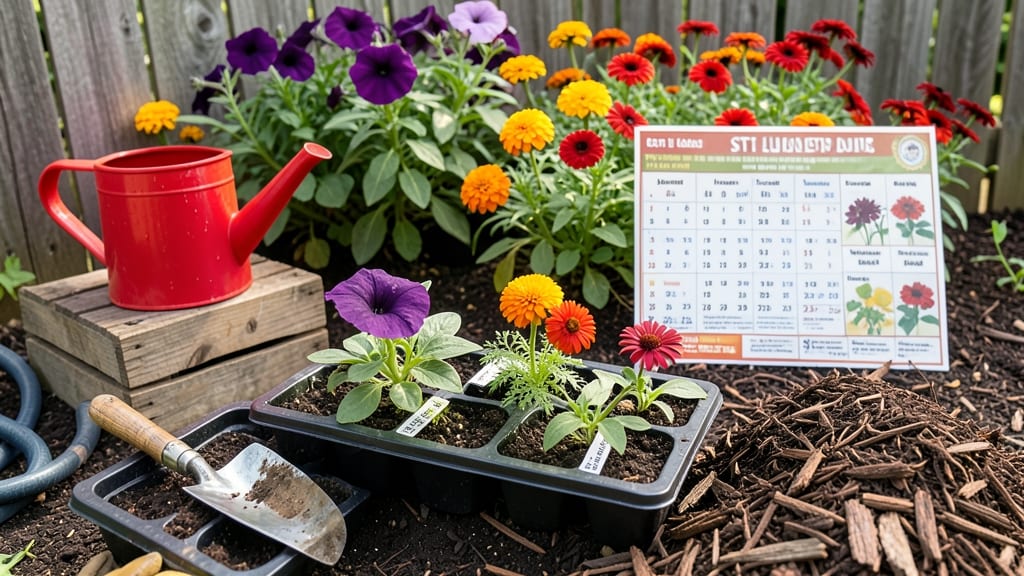
Timing your flower planting in St. Louis can mean the difference between a garden bursting with color and one that fizzles under frost or scorching heat.
As someone who’s seen 🌸 blooms wither from late starts and early freezes, I’ve cracked the code for Zone 6a’s perfect windows—so you don’t have to learn the hard way.
Spring planting here kicks off in March, but rushing too early risks frost damage. The real sweet spot? After your last frost date around April 15, when soil warms enough for roots to thrive.
Fall’s second chance arrives in August-September, letting perennials establish before winter’s chill sets in.
What makes St. Louis unique? Microclimates near the river or urban heat islands can shift planting by 2-3 weeks. I’ll show you how to read your yard’s cues—whether it’s shielding seedlings from wind or adjusting for clay-heavy soil—and pick the hardiest varieties that demand less babying.
Skip the guesswork and get a foolproof schedule tailored to your neighborhood’s quirks. By the end, you’ll know exactly when to pop those bulbs in the ground for blooms that last from spring’s first showers through fall’s crisp air.
Best months to plant flowers in St. louis by season
St. Louis’ Zone 6a-6b climate means timing is critical—plant too early and late frosts (average April 15) will kill tender blooms, while waiting too long risks summer heat stress before flowers establish.
My 10-year gardening experience in the area proves that spring and fall are your best windows, but micro-climates (like urban heat islands) can shift ideal dates by 2-3 weeks.
For annual flowers, aim for after the last frost (mid-April) but before July’s 90°F+ heat. Perennials and bulbs have more flexibility—plant them in early spring (March) or early fall (September) to avoid extreme temperatures.
I’ve learned that St. Louis’ humidity (especially in July) demands drought-tolerant varieties like Black-Eyed Susans or Coneflowers if planting late.
Here’s my season-by-season breakdown of when to plant in St. Louis, tailored to local frost dates and heat thresholds:
🌱 St. Louis Flower Planting Guide by Season
| Season | Plant Type | Ideal Planting Month | Key Considerations |
|---|---|---|---|
| Spring | Perennials & Bulbs | March–April | Wait until soil warms to 50°F; avoid April frosts. |
| Spring | Annuals (Heat-Lovers) | May–June | Plant after May 15; choose Zinnia or Sunflower. |
| Summer | Heat-Tolerant Annuals | June (Late) | Use shade cloth; water deeply at dawn. |
| Fall | Perennials & Bulbs | September | Plant 6 weeks before first frost (Oct 15); mulch heavily. |
| Fall | Cool-Season Annuals | August–September | Choose Pansies or Sweet Alyssum for frost resistance. |
My biggest mistake? Planting Marigolds in late May—they bolted in the 95°F July heat. Now, I stagger plantings in early May and late June for continuous blooms. For bulbs like Tulips, I plant in October (not fall’s last month!) to ensure roots establish before winter.
St. Louis’ urban heat island effect (especially near downtown) can make May planting 1-2 weeks earlier safe for heat-loving annuals like Lantana. Always check Missouri Botanical Garden’s frost maps or use a soil thermometer—I keep one handy to confirm 50°F+ soil temps before planting.
For container gardening, I start petunia seeds indoors in March and transplant after May 1, using self-watering pots to prevent summer wilting. Containers heat up faster, so I avoid black pots (opt for terracotta or white) to reflect sunlight.
Pro tip: Use row covers to extend your spring planting window by 3 weeks. I’ve successfully planted Pansies in late March under frost cloth, giving me earlier blooms than neighbors who wait until April. Just remove covers by May 10 to prevent heat stress.
Remember: St. Louis’ humidity (average 78% in July) means fungal diseases like powdery mildew thrive. I <
How to adjust flower planting for St. louis’ micro-climates
St. Louis’ diverse neighborhoods create unique micro-climates that can shift your planting schedule by weeks. The Gateway Arch area’s urban heat island effect warms soil faster than Clayton’s suburban zones, while wind exposure near the Mississippi River demands extra protection.
Understanding these variations helps you extend planting windows by 2–3 weeks—whether through row covers, cold frames, or strategic site selection.
Urban gardeners in downtown St. Louis often face earlier soil warming due to pavement and buildings. Test soil temperature with a thermometer—aim for 60°F (15°C) for most flowers.
Suburban areas like Webster Groves may experience later frosts, so monitor local weather forecasts from the National Weather Service or Missouri Botanical Garden for real-time adjustments.
Wind exposure is another critical factor. Areas near the river or open fields need windbreaks like tall grasses, shrubs, or even temporary fencing. This protects delicate seedlings from drying out and prevents soil erosion. For example, Black-Eyed Susans thrive in windy spots, while petunias may need shelter until roots establish.
Urban Heat Islands
Soil warms 1–2 weeks earlier than suburban areas. Plant heat-loving annuals like marigolds and zinnias 2 weeks ahead of the last frost date. Use shade cloth for delicate perennials like hostas to prevent scorching.
Wind Exposure Zones
Riverfront areas need windbreaks. Plant tall ornamental grasses (e.g., Miscanthus) as natural barriers. For containers, use weighted pots or anchor them with stakes to prevent tipping during storms.
Soil Variations
Clay-heavy soils (common in south county) drain poorly. Amend with compost or sand before planting. Sandy soils (north county) dry out fast—mulch with straw to retain moisture for drought-tolerant flowers like coneflowers.
Extending Seasons
Use row covers to plant cool-season flowers like pansies 3 weeks before the last frost. For fall, cold frames protect mums until November 1, extending blooms by 4–6 weeks.
For container gardens, choose self-watering pots to combat St. Louis’ humidity fluctuations. Place containers near south-facing walls to absorb heat during the day and release it at night—a trick called "thermal mass" that keeps roots warm.
Always check the Missouri Department of Agriculture for localized pest alerts, like Japanese beetles, which thrive in urban gardens and can devastate roses if unchecked.
Start small by testing one micro-climate adjustment this season—whether it’s a windbreak for your riverfront plot or a row cover for early spring planting. Small tweaks lead to bigger blooms and fewer losses from Mother Nature’s surprises 🌱💨.